Reliable supplier selection starts with the building’s actual water demand, not a catalogue headline. A well-designed water booster pump system should maintain steady pressure through morning showers, kitchen taps, and upper-floor fixtures. It must also suit the available water supply, pipe layout, and expected peak flow.
China has manufacturers serving residential towers, hotels, factories, and irrigation projects. Their offerings can differ in pump materials, motor efficiency, control panels, noise levels, and after-sales support. Buyers should compare certified test data, warranty terms, spare-parts access, and commissioning assistance. A polished brochure is useful, but it cannot replace performance records. Small details matter.
One important note: no source material or verifiable expert quotation was provided, so assigning a statement to a named specialist would risk inventing an endorsement. A suitable quotation for a verified pump engineer to review is: “Choose the system for the pressure and flow the site needs—not simply the largest pump available.” That distinction is practical. Oversizing may increase energy use and wear, while undersizing can leave distant outlets weak during peak demand.
This guide will introduce leading water booster pump system suppliers in China and outline questions worth asking before requesting a quotation. Supplier rankings should be treated as a starting point, not a substitute for technical evaluation. Local operating conditions vary, and even a sound selection deserves a second look against real site data.
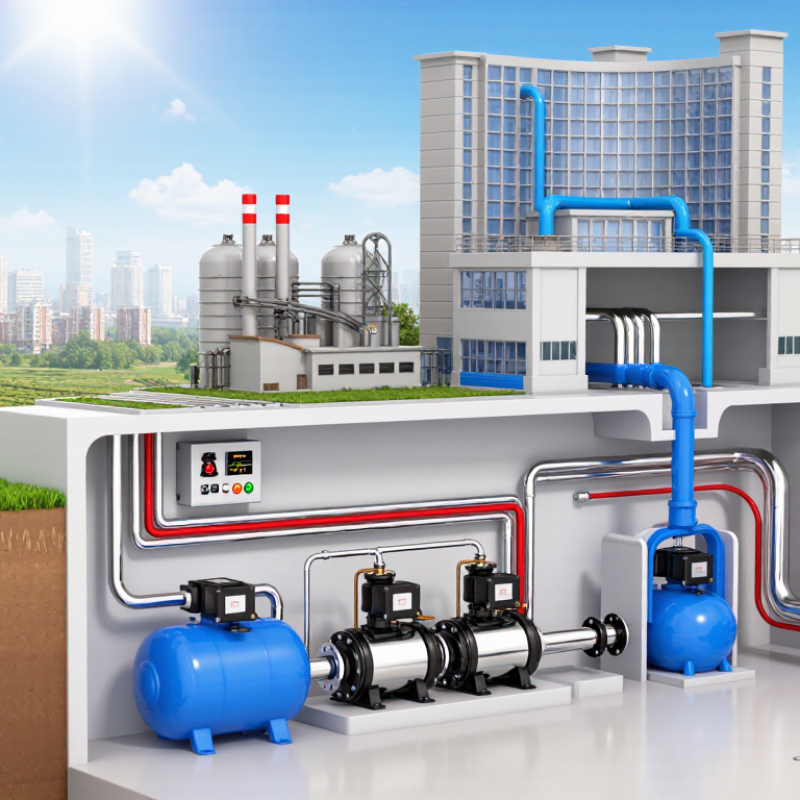
A water booster system should be selected around its actual duty point, not its maximum advertised output. Flow rate means the volume needed during peak use, such as several showers and a running tap. Estimate realistic demand rather than adding every fixture’s maximum flow. Total head includes vertical lift, pipe friction, and the pressure required at the outlet. Pressure matters at the most distant fixture, not only beside the pump. Small errors add up.
The duty point is where the system’s required flow and head meet the pump curve. Ask suppliers in China for a curve showing this point, plus efficiency and motor data. Check that normal operation sits near the pump’s efficient range, with reasonable allowance for changing demand. A variable-speed controller can help maintain steady pressure, but it cannot fix an undersized pipe or poor system design. I would also verify test records and confirm the proposed materials suit the water temperature and quality.
Tips: Share pipe lengths, elevations, peak demand, and target outlet pressure when requesting a quotation. Compare like for like. Recheck the assumptions; early estimates are often imperfect.
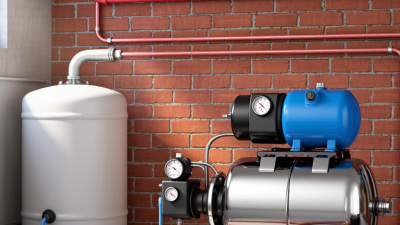
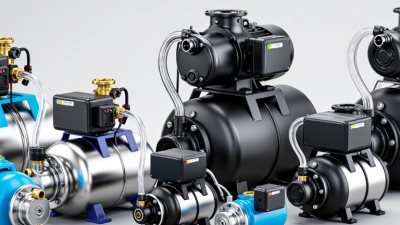
China’s water booster pump suppliers cover compact single-pump sets, variable-speed systems, and multi-pump packages for larger buildings. Product choice depends on inlet pressure, peak demand, pipe layout, and required water quality. A variable-speed controller can reduce pressure swings in apartment blocks. For a small workshop, a simpler fixed-speed unit may be easier to maintain. A real trade-off.
Suppliers serve residential towers, hotels, hospitals, factories, farms, and municipal projects. Their export markets include Southeast Asia, the Middle East, Africa, and parts of Europe and Latin America, where climate and infrastructure needs differ. Ask for performance curves, materials lists, test records, and spare-parts details—not just a headline flow rate. Export experience also shows in clear wiring diagrams, suitable voltage options, and protective packaging for long-distance shipping. Details matter.
Catalogue claims can look convincing, yet actual performance depends on installation and site conditions. Buyers should verify operating points with a qualified engineer; supplier descriptions alone may leave gaps.
When comparing water booster pump system suppliers in China, look beyond rated flow and motor power. A variable-frequency drive (VFD) can adjust pump speed as demand changes, helping maintain steadier pressure. Ask how the system responds when several taps open at once, or when demand falls overnight. A pressure sensor placed poorly may cause hunting, with pressure rising and dropping repeatedly. Small details matter.
Check whether the set uses one pump, multiple pumps in parallel, or a duty-and-standby arrangement. Parallel pumps can cover changing demand, while standby capacity may reduce disruption during servicing. More pumps are not automatically better. Compare the control sequence, minimum-flow protection, and behavior if a sensor fails. Request a simple operating diagram, not just a list of components.
Materials should match the water and installation conditions. Cast iron, stainless steel, and coated components differ in corrosion resistance, cost, and maintenance needs. Ask about wetted parts, seals, and the specified pressure rating. For drinking-water applications, request documentation showing material suitability for the intended use. A polished specification can still miss local water chemistry; this is worth checking before selection. Also confirm noise levels, access for seal replacement, and whether the supplier can provide test records for the assembled set.
For water booster systems, a polished performance curve is only a starting point. ISO 9906:2012 defines acceptance tests for rotodynamic pump hydraulics, with Grades 1, 2, and 3 offering different acceptance criteria. Buyers should ask suppliers which grade applies, whether testing covers the specified duty point, and how measurement uncertainty is handled. Grade numbers alone do not explain the test conditions.
A useful factory test record identifies flow, head, speed, power, and the instruments used. Ask for calibration details and a curve showing the operating range, not just one favorable reading.
IEA’s 2011 analysis of electric motor-driven systems estimated they consumed about 43–46% of global electricity, underscoring why verified efficiency matters. That figure covers motor-driven equipment broadly, not pumps alone.
A witnessed test can reveal practical issues: pressure fluctuations, unstable readings, or a motor running outside its expected load. Small details matter. I would also compare the submitted curve with the intended building demand, including peak use and parallel-pump operation. A certificate helps, but it cannot replace clear test data. And paperwork can mislead. Ask the supplier to state any deviations from the agreed ISO 9906:2012 grade before comparing quotations.
When comparing water booster pump system suppliers in China, judge the proposed system against your actual demand, not just its quoted flow rate. Ask for performance curves showing flow, head, and efficiency across expected operating conditions. A pump may look efficient at one test point but use more power when demand changes. Request test data and confirm that the motor, controls, and pressure tank are sized for your site. Small details matter.
Check that certificates and test reports match the exact equipment offered, including model and configuration. A certificate alone does not prove suitability for your project or destination market. Ask who handles installation guidance, commissioning, and troubleshooting, and get response times in writing. Confirm whether common spare parts are stocked and how quickly they can be shipped. That matters during a breakdown.
Compare lifecycle cost, not only purchase price. Estimate electricity use, routine maintenance, replacement parts, and possible downtime over several years. For example, a system that runs continuously in a hotel or apartment building can make a modest efficiency difference significant. Request assumptions behind any savings estimate. I would still leave room for uncertainty: real demand often differs from the design forecast, and supplier spreadsheets cannot capture every site condition. A practical selection process includes a clear warranty, accessible technical support, and performance data you can independently review.
sale@harbertpump.com,
sale@harbertpump.com