Choosing a home water pressure booster should begin with evidence, not guesswork. A weak shower upstairs may come from undersized pipes, clogged filters, or low municipal pressure. It may not need a larger pump. The U.S. Environmental Protection Agency recommends checking household flow and fixture performance before replacing equipment. Its WaterSense program also shows that efficient fixtures can maintain comfort while using less water.
Market data confirms rising interest in pressure solutions. Grand View Research reported continued growth in the global water booster pump market, driven by urban housing, aging plumbing networks, and higher demand for reliable domestic water service. However, market growth does not make every pump suitable for every home. A pump that produces excessive pressure can increase noise, cycling, leakage risk, and energy use. Bigger is not always better.
John Siegenthaler, a widely cited hydronic engineering author, states, “The objective is to provide the required flow rate at the required pressure.” That principle should guide every home water pressure booster decision. Measure static pressure with a gauge. Test pressure while a shower and tap run together. Check pipe diameter, pump head, flow rate, tank size, and certification. The EPA’s WaterSense technical guidance and local plumbing requirements can support safer choices. Still, product labels can confuse non-specialists. This guide will compare practical specifications, installation conditions, operating noise, maintenance needs, and real household use. A quiet pump at 7 a.m. matters more than an impressive number on the box. Mistakes happen. Careful measurement reduces them.
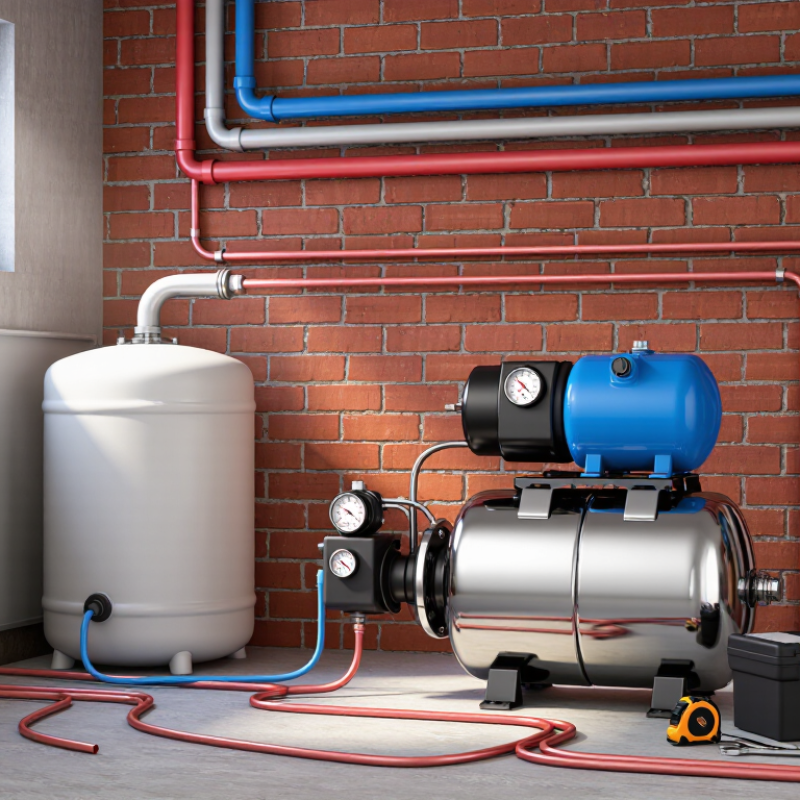
How to Choose a Home Water Pressure Booster Pump?
A home water pressure booster pump is needed when incoming water pressure cannot meet daily demands. Weak flow may appear at an upstairs shower, garden tap, or washing machine. Do not assume the pump is the answer. A clogged filter, leaking pipe, faulty pressure regulator, or partly closed valve can create similar symptoms. Check these problems first.
Measure pressure with a reliable gauge at a cold-water outlet. Record the reading when no water is running, then test it while several fixtures operate. Many homes feel uncomfortable below about 40 psi, but the correct target depends on the plumbing system and local requirements. A shower that loses force only when another tap opens may need better flow management, not simply higher pressure. The first estimate is often wrong.
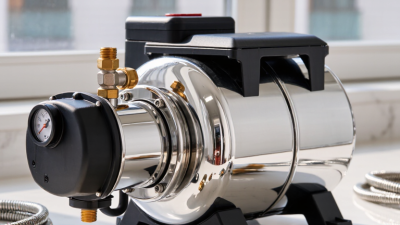
A suitable pump should match the required flow, pressure increase, pipe size, and electrical supply. Ask a qualified plumber to assess the system, especially where storage tanks, wells, or shared supply lines are involved. Oversizing can cause noise, cycling, leaks, and unnecessary energy use. Small details matter. A pressure tank may reduce frequent starts, while vibration pads can make operation quieter. In older homes, stronger pressure may expose weak joints that were already failing. That risk deserves attention before installation.
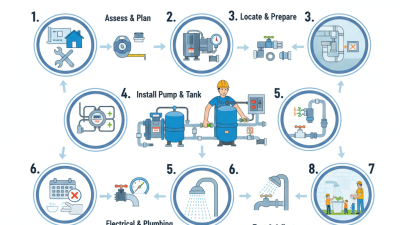
Before choosing a booster pump, measure your home’s actual pressure and flow. Attach a pressure gauge to an outdoor hose connection. Turn off every fixture, then record the static pressure. Repeat the test while a shower and kitchen faucet run together. Test it twice. Pressure that drops sharply during use may indicate undersized piping, a clogged filter, or a failing pressure regulator. A pump may not solve the real problem.
Measure flow with a bucket and stopwatch. Divide collected gallons by seconds, then multiply by 60. This gives gallons per minute (GPM). Compare that number with your peak demand, not just one fixture. The U.S. Environmental Protection Agency’s WaterSense specification limits certified showerheads to 2.0 GPM, while older fixtures may use more. The Water Research Foundation’s Residential End Uses of Water, Version 2, also shows that showers and faucets represent significant indoor demand. Your household’s habits matter more than a sales estimate.
Many homes operate comfortably near 40–60 psi, but appliance instructions and local plumbing requirements should control the final setting. The International Plumbing Code identifies 80 psi as the threshold requiring pressure reduction in many installations. Do not guess. If static pressure already exceeds that level, investigate regulation problems before adding a pump. I would also check pressure during peak evening use, because a quiet morning reading can be misleading. Oversizing the pump may create noise, pipe stress, and unstable pressure. Some uncertainty is normal; accurate measurements reduce it.
Choosing the right home water pressure booster pump starts with identifying the actual problem. Measure pressure when no water is running, then test it while several fixtures operate. A shower and washing machine may need more flow than a single tap. Record the pipe size, water source, and highest outlet in the house. Guessing from static pressure alone is a common mistake.
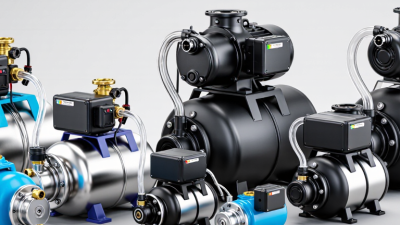
Pump type matters. An on-demand pump suits occasional pressure support and starts when water flows. A variable-speed pump adjusts output as demand changes, helping maintain steadier pressure across multiple fixtures. Systems with an accumulator tank can reduce frequent starts. That may improve service life. However, the tank needs suitable space and correct pre-charge pressure.
Capacity should match your peak flow, not the largest number on a product label. Add the expected flow rates of fixtures used together, then allow for pipe friction and elevation. Choose a pressure rating above the required working pressure, but never treat the maximum rating as a target. Excessive pressure can stress valves, joints, and appliances. A practical installation includes a pressure gauge, isolation valves, and a check valve where appropriate. Electrical connections and potable-water components should meet local requirements. Recheck your calculations after installation; household habits often differ from the original estimate.
Choosing a home water pressure booster pump requires more than checking maximum pressure. Installation method, power consumption, and control design affect daily comfort and maintenance.
A direct inline pump fits homes with an existing pressurized supply line. It usually needs fewer fittings and less floor space.
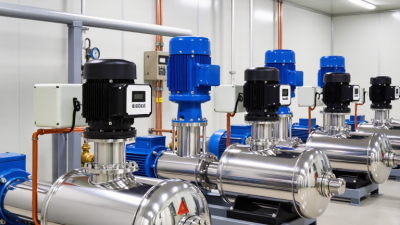
A tank-assisted system adds a storage tank, which can stabilize pressure during simultaneous showers and washing machine use. However, it needs more room and careful hygiene management.
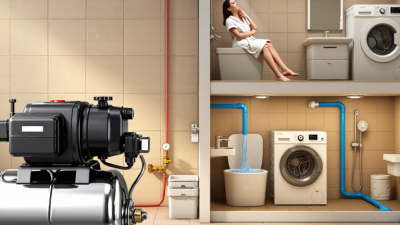
During a recent home assessment, the pump location mattered as much as its rating. A unit beside a bedroom wall created noticeable vibration. That detail is easy to miss.
Power use depends on demand, motor size, and operating frequency. A variable-speed controller can reduce energy waste by adjusting output as taps open or close.
A fixed-speed pump may cost less initially, but it can start and stop more often. That increases noise and mechanical stress.
Check the pump’s rated wattage, standby consumption, and expected duty cycle. Actual bills may differ from laboratory figures.
Tips:
Measure pressure at several outlets, not only one faucet. Confirm pipe diameter before purchasing.
Use isolation valves and a filter for easier servicing. Test the system during peak use.
Controls should include dry-run protection, overload protection, and adjustable start pressure.
Remote monitoring sounds useful, but unreliable connections can become another maintenance problem. Simple controls may be better. I would still leave room for improvement.
Choosing a home water pressure booster pump starts with safety, not maximum pressure. I check the pump’s pressure range, flow rating, and compatibility with drinking-water systems. A pressure relief valve should protect pipes when demand suddenly stops. Dry-run protection matters when a storage tank empties. Electrical connections need proper grounding and qualified installation. Small leaks can become expensive quickly.
Maintenance is often underestimated. A practical schedule includes cleaning inlet filters, checking seals, and testing the pressure switch. Hard water may leave scale around the impeller and reduce output. Listen for rattling, pulsing, or frequent starts. These clues can indicate trapped air, a blocked filter, or incorrect settings. In one home assessment, a dirty filter made the pump seem undersized. It was not. The neglected filter was the problem. Manufacturer instructions and local plumbing requirements should guide service intervals.
Noise affects sleep and daily comfort, especially when the pump sits beside a bedroom. Rubber isolation pads, flexible connectors, and solid mounting can reduce vibration. Avoid cramped cabinets that amplify sound and heat. Compare long-term costs, not only purchase prices. Include installation, electricity, filter replacement, servicing, and possible pipe repairs. A cheaper pump may consume more power or need earlier replacement. I would question optimistic lifespan claims. Water quality, cycling frequency, and installation accuracy change real-world performance. Keep records of pressure readings and service dates. They make future faults easier to diagnose.
sale@harbertpump.com,
sale@harbertpump.com