Top 10 Pressure Booster Pumps for Global Buyers
For global buyers, choosing the right pressure booster pump requires more than comparing prices. Water demand, inlet pressure, pipe length, and electrical supply can change performance significantly. A compact pump may suit a small apartment, while a commercial building needs stronger flow control and longer service life. Installation conditions matter too. Dust, heat, voltage variation, and limited maintenance access can affect daily operation.
This guide reviews ten pressure booster pump options for different applications and markets. It considers flow rate, maximum head, motor efficiency, noise, controls, materials, and service support. Manufacturer specifications provide the starting point, but field experience often reveals important details. A pump that performs well in a showroom may behave differently with undersized pipes or unstable water pressure. Check the numbers carefully.
Reliability also depends on correct sizing and installation. Buyers should confirm local electrical requirements, water conditions, replacement parts, warranty terms, and technical assistance before ordering. Stainless steel components may improve durability, but they do not solve every water-quality problem. Some models offer smart controls, yet extra features can increase repair complexity. More technology is not always better.
The ranking is a practical comparison, not an absolute verdict. Product availability and specifications may change by region. Some conclusions may require further testing. Still, the selected models offer useful reference points for homeowners, contractors, facility managers, and distributors seeking dependable pressure improvement worldwide.
What Pressure Booster Pumps Are and How They Work
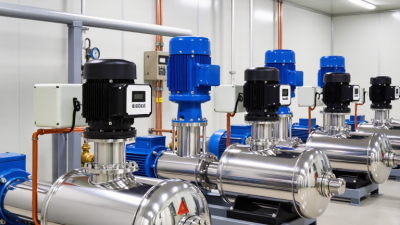
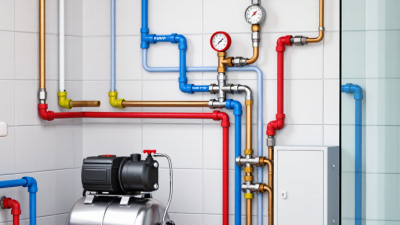
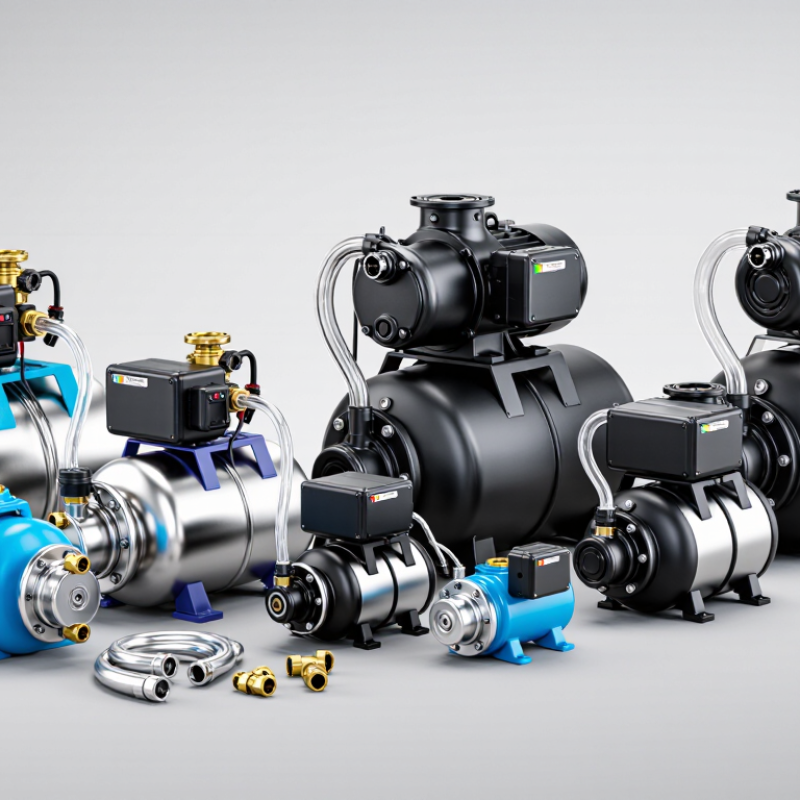
A pressure booster pump raises water pressure when the incoming supply cannot meet demand. It normally combines a centrifugal pump, motor, pressure sensor, controller, check valve, and sometimes a diaphragm tank. Water enters at low pressure, the impeller adds energy, and the controller starts or slows the motor. At a tap, pressure falls; the sensor detects it and adjusts flow. Simple in principle.
The U.S. Department of Energy links pumping systems to 25%–50% of industrial electricity use. The range varies by facility and process, according to its Improving Pumping System Performance Sourcebook, 2006. For a booster, this makes correct sizing more important than maximum advertised pressure. Designers calculate required flow, static lift, pipe friction, and minimum inlet pressure. Too small causes weak showers and cycling; too large wastes energy and may damage fittings. Do not confuse pressure with flow.
UN-Water’s World Water Development Report 2024 notes that roughly 2.2 billion people lacked safely managed drinking water in 2022. This gap does not make every booster suitable for every building. Potable-water approval, noise, voltage, duty cycle, and maintenance access still matter. Installers should verify the performance curve at the actual operating point, not trust a catalog headline. Field conditions are messy. A rough pipe-length estimate can mislead, especially in tall buildings or older networks. That limitation deserves honest review before purchase.
Installation, Maintenance, and Energy Efficiency Considerations
Top 10 Pressure Booster Pumps for Global Buyers
Installation, Maintenance, and Energy Efficiency Considerations
Selecting a pressure booster pump starts with accurate site measurements. Record inlet pressure, peak flow, pipe length, elevation, and daily demand. A pump sized only by outlet pressure may cycle constantly. That wastes electricity and shortens motor life. Experienced installers also check water quality, ambient temperature, and available service space. Leave room around the motor.
Keep the suction line short and straight. Use correctly sized valves and install a strainer where debris is likely. A pressure gauge on both sides of the pump reveals blockages quickly. Vibration should not be ignored. It may indicate poor alignment, trapped air, or loose mounting bolts. Small details matter.
Maintenance schedules should follow operating hours, not guesswork. Inspect seals, electrical connections, filters, and pressure settings regularly. Clean deposits before they restrict flow. During site audits, I have seen efficient pumps consume excessive power because controllers were poorly adjusted. Variable-speed control can reduce cycling, but it is not automatically efficient. Compare measured power consumption with delivered flow. Check the result during quiet and peak periods.
Some assumptions fail.
An oversized pump may appear dependable, yet it can create unstable pressure and unnecessary energy use. Keep service records with dates, readings, and replaced parts. Reliable records help technicians identify gradual performance loss before failure occurs. Local electrical requirements and qualified installation practices must also be verified for each market.
Top 10 Pressure Booster Pump Configurations for Global Buyers
Typical peak hydraulic efficiency by pump configuration
Variable-speed multistage systems generally provide the best energy performance when demand changes frequently. Correct sizing, clean filters, suitable pipework, leak prevention, and regular seal and bearing inspections are essential for maintaining efficiency. Values shown are representative engineering ranges and may vary with flow rate, pressure head, motor efficiency, installation quality, and operating conditions.
How Global Buyers Can Select the Right Pressure Booster Pump
Top 10 Pressure Booster Pumps for Global Buyers
How Global Buyers Can Select the Right Pressure Booster Pump
Selecting a pressure booster pump starts with the building, not the catalog. Record static inlet pressure, peak flow, pipe size, and elevation difference. A three-story home may need a different duty point than a small hotel. Ask how many taps can run together. Measure twice. Use the pump curve at the expected flow, rather than the maximum headline pressure. Oversizing can cause noise, cycling, and unnecessary energy use.
Global buyers should check motor voltage, frequency, plug standards, and local installation requirements before ordering. Confirm whether the pump handles potable water, warm water, or clean utility water. Stainless steel wetted parts may suit humid locations, but compatibility still depends on water chemistry. In coastal areas, salt exposure can damage poorly protected electrical connections. Look for dry-run protection, thermal overload control, leak-resistant seals, and accessible servicing.
Request test data, a clear warranty, installation drawings, and replacement-part availability locally. An independent technician should verify grounding, isolation valves, and expansion-tank settings during commissioning. Keep records of pressure and noise. A spreadsheet may look convincing, yet it cannot reveal vibration from a weak mounting surface. Selection is rarely perfect. Recheck assumptions after real use, because demand changes with seasonal occupancy and new fixtures.