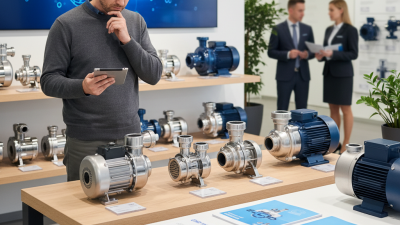
Low water pressure is more than an annoying shower problem. It can weaken fixture performance, slow filling, and expose hidden plumbing faults. A properly selected water pressure booster system may restore stronger flow, but the pump is not always the real solution. A blocked filter, undersized service pipe, failing pressure-reducing valve, or municipal supply issue can create similar symptoms.
The U.S. Environmental Protection Agency’s WaterSense program reports that household leaks can waste nearly 10,000 gallons of water annually. Its research also indicates that about 10% of homes have leaks wasting at least 90 gallons daily. These figures make diagnosis important. Higher pressure should not simply mean higher pump settings. The American Water Works Association’s M22 guidance emphasizes correct service-line sizing and demand assessment before equipment selection. Flow rate, available inlet pressure, pipe diameter, elevation, and simultaneous fixture use all matter. A small bathroom may need a different solution from a three-story home with sprinklers.
Look closely.
Reliable installation also requires attention to drinking-water safety. Components contacting potable water should meet recognized requirements, such as NSF/ANSI/CAN 61 where applicable. A qualified plumber should measure static and dynamic pressure with a gauge, preferably during peak use. That practical test reveals whether pressure collapses when another tap opens. It is not a perfect rule, but it prevents many expensive guesses. This guide compares leading booster options, control methods, noise levels, maintenance needs, and real operating limitations. The best system is not necessarily the strongest one. It is the one that delivers stable pressure without stressing pipes, wasting energy, or masking a larger plumbing defect.
Top Water Pressure Booster System for Low Water Pressure?
Low water pressure usually means a reading below 40 psi at the property entry point. This is a practical residential benchmark, not a universal rule. Pressure can fall sharply when several taps run together. The AWWA Residential End Uses of Water, Version 2, reports average indoor use of about 54.6 gallons per person daily. That demand can expose weak supply lines quickly. A shower may feel acceptable alone, then become disappointing when a washing machine fills. Small details matter.
Common causes include a partially closed shutoff valve, clogged filters, corroded pipes, elevation, and municipal supply changes. Leaks also deserve attention. The U.S. EPA WaterSense program estimates that household leaks waste nearly 10,000 gallons annually. That figure does not prove low pressure, but it shows how hidden water loss can affect performance. Site testing should measure static pressure, then dynamic pressure while fixtures operate. The difference is often revealing.
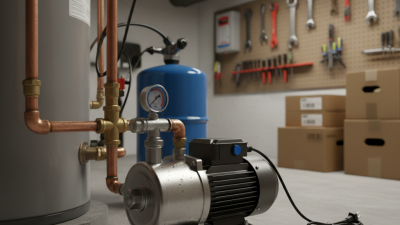
A booster system can help when supply pressure remains consistently low. Select it according to flow demand, pipe size, and required outlet pressure. A pressure tank can reduce rapid pump cycling. Over-sizing is a common mistake. Excessive pressure may damage fixtures, increase leakage, and create noisy pipes. Install a pressure regulator and relief protection where required by local plumbing rules. Do not diagnose from one tap alone. Pressure varies.
Top Water Pressure Booster System for Low Water Pressure?
Measure Static and Dynamic Pressure with a 0–160 psi Gauge
A booster system should not be selected from a single pressure reading. A 0–160 psi gauge helps reveal what happens inside the plumbing. Static pressure is measured with every fixture closed. Dynamic pressure is measured while water flows through a shower, faucet, or hose bib. The difference can expose restricted pipes, clogged screens, failing valves, or undersized supply lines.
Start at the nearest outdoor hose connection. Attach the gauge firmly, open the valve, and record the reading after several minutes. Then run a shower or flush a toilet. Watch the needle. A static reading near 60 psi may fall sharply during demand. That lower figure matters more to daily comfort. The International Plumbing Code limits residential static pressure to 80 psi before pressure reduction is required. Higher pressure can increase stress on fixtures and connections.
Keep notes.
Repeat the test at different times. Municipal supply pressure can change overnight, and one measurement may mislead you. The U.S. Environmental Protection Agency reports that household leaks waste more than 10,000 gallons yearly, showing why pressure and leak checks belong together. The American Society of Sanitary Engineering also treats pressure regulation as a controlled plumbing function, not simply a pump upgrade. A booster can improve weak flow, but it cannot repair a blocked filter or leaking pipe. That distinction is easy to miss.
Measure both static and dynamic pressure with a 0–160 psi gauge. Residential water pressure is commonly considered low below 40 psi and high above 80 psi. Dynamic pressure can fall when several fixtures operate at the same time.
Use the static reading with all fixtures closed, then check dynamic pressure while water is flowing. A booster system may be considered when dynamic pressure remains below the required level during normal use.
Low Water Pressure? Compare Booster System Types
A constant-pressure booster system uses sensors to maintain a steady outlet pressure. It works well when several fixtures operate together. Showers feel more consistent, even when a toilet refills nearby. These systems often need accurate pressure settings and clean filters. Without proper commissioning, performance can become disappointing. It feels steady.
A variable-speed system adjusts motor speed as demand changes. It may run quietly during handwashing, then increase output for multiple showers. This design can reduce energy use and limit sudden pressure changes. However, electronic controls add complexity. A qualified installer should check flow rate, pipe size, electrical capacity, and protection against dry running. Bigger is not always better.
Tank systems store pressurized water for short demand periods. They can reduce pump cycling and help with intermittent use, such as a remote bathroom. The tank also provides a small reserve during brief demand spikes. However, its pressure gradually falls as stored water is used. Tank sizing matters. Too small, and the pump starts repeatedly; too large, and space and maintenance increase. Measure incoming pressure with a gauge at different times of day. Household demand often changes more than expected. Local plumbing requirements should guide installation, especially where backflow protection or relief valves are required.
A practical booster system starts with measured demand, not a pump’s maximum rating. Many homes need about 5–10 gallons per minute during simultaneous use. A shower, washing machine, and kitchen faucet can quickly exceed a casual estimate. Measure flow at the weakest fixture with a container and stopwatch. Small errors matter.
Then calculate total dynamic head. Include the required pressure at the fixture, vertical lift, pipe friction, filters, valves, and fittings. For example, 30 feet of elevation adds roughly 13 psi before friction losses. A long ¾-inch pipe may lose surprising pressure at 8 GPM. Use a pipe-loss chart or a qualified plumber’s calculation. My first estimate once ignored a clogged filter. The replacement pump seemed ineffective until that restriction was removed.
Choose a pump whose performance curve delivers the target flow at the calculated head. Do not select a 10-GPM pump simply because the label looks impressive. At higher head, its actual output may fall sharply. A pressure tank or variable-speed control can reduce cycling, but controls cannot fix an undersized supply line. Check inlet pressure during peak use, too. If the source cannot provide enough water, the booster may cavitate, run loudly, or wear prematurely. Verify the final pressure with a gauge while several fixtures operate. That test often reveals assumptions the spreadsheet missed.
Top Water Pressure Booster System for Low Water Pressure?
A booster system should deliver stable pressure, not simply chase a higher number. The International Residential Code limits static residential pressure to 80 psi, while many plumbing guides describe 40–60 psi as a practical household range. For demanding fixtures, a controlled 60–80 psi setting can work, but only after checking pipe ratings, heater limits, and fixture requirements. Pressure can spike at night.
Use a pressure sensor on the discharge line and set an upper shutdown limit below the equipment’s rated maximum. A correctly installed check valve helps stop reverse flow when the pump stops. It also reduces pressure shock between the booster and the supply line. Bypass protection matters during power loss or pump failure. The bypass should include isolation valves, a suitable backflow preventer, and a pressure relief path where required. The U.S. Environmental Protection Agency’s WaterSense guidance links excessive pressure with higher water use and leakage risk. Small leaks become expensive when pressure stays high.
Tips: Test pressure at several fixtures, not only beside the pump. Record readings during peak use. Check the relief valve annually. A 60 psi setting may feel weak in a tall home, while 80 psi may stress aging pipes. That trade-off deserves review. ASPE plumbing guidance also emphasizes pressure loss through filters, meters, and narrow pipes. I would not select a booster until those losses are measured.
| System Element | Recommended Setting or Rating | Purpose | Selection and Installation Guidance | Safety Check |
|---|---|---|---|---|
| Target operating pressure | 60–80 psi (4.1–5.5 bar) | Provides useful pressure for typical residential fixtures while limiting stress on plumbing. | Set the pressure switch or controller within the equipment manufacturer’s approved range. Avoid increasing pressure merely to compensate for undersized or blocked pipes. | Use a calibrated pressure gauge at the discharge side and confirm pressure during both no-flow and flow conditions. |
| Maximum system pressure | Do not exceed the lowest-rated component | Protects pipes, fittings, fixtures, tanks, and appliances from overpressure. | The actual limit must be based on the rating of the pipework, water heater, pressure tank, valves, and connected appliances. | Install a correctly sized pressure-relief device where required by local plumbing regulations and equipment instructions. |
| Low-pressure cut-in | Typically 40–60 psi, subject to system design | Starts the booster when demand lowers system pressure. | Select a cut-in point that maintains adequate fixture pressure without causing frequent starts and stops. | Verify that the pump can start reliably at the selected pressure and that the supply side never runs dry. |
| Pressure differential | Approximately 20 psi between cut-in and cut-out | Reduces rapid cycling and provides a practical operating range. | The best differential depends on pump capacity, pressure-tank size, and the number of fixtures served. | If the pump cycles repeatedly within a few seconds, inspect the tank charge, leaks, sensors, and check valves. |
| Flow capacity | Size for calculated peak demand; commonly 8–20 gpm for residential zones | Maintains pressure when several fixtures operate at the same time. | Use the pump curve at the required pressure, not the pump’s maximum flow rating at zero pressure. | Confirm that the incoming supply, pipe diameter, filtration equipment, and meter can provide the required flow. |
| Check valve | One-way valve rated for the system pressure and flow | Prevents reverse flow through the booster and helps maintain downstream pressure. | Install in the correct flow direction and place it where it will not interfere with required isolation or service procedures. | Test for leakage, water hammer, and restricted flow. A failed or incorrectly installed valve can cause unstable pressure. |
| Bypass line | Full-flow bypass with isolation valves | Allows water service during maintenance or pump failure and can reduce restriction when boosting is unnecessary. | Use a clearly labeled bypass route with valves that can be safely locked or secured in the intended operating position. | Do not bypass required backflow protection, pressure control, or other legally mandated safety devices. |
| Pressure-relief protection | Set below the lowest permissible system limit | Provides a final safeguard against excessive pressure caused by control failure or thermal expansion. | Discharge piping should terminate safely and comply with applicable plumbing requirements. | Never cap, plug, isolate, or obstruct the relief discharge path. |
| Dry-run protection | Required for tanks, wells, and unreliable supply lines | Stops the pump when there is insufficient incoming water, preventing overheating and mechanical damage. | Use a flow sensor, inlet-pressure sensor, level control, or controller-approved protection method. | Test the shutdown function and verify the reset procedure before placing the system into service. |
| Pressure tank | Sized to limit starts; precharge commonly set about 2 psi below cut-in when specified | Stores a small volume of pressurized water and reduces pump cycling. | Follow the tank manufacturer’s precharge and maximum-pressure instructions. Measure precharge with the water side depressurized. | Inspect for loss of air charge, waterlogging, corrosion, or a damaged diaphragm. |
| Inlet filtration and strainer | Low-restriction unit sized for peak flow | Protects the booster from debris without creating excessive inlet pressure loss. | Install a pressure gauge before and after the filter when practical to identify a clogged element. | Clean or replace the element when the pressure drop reaches the filter manufacturer’s service limit. |
| Pressure gauges | One upstream and one downstream gauge where troubleshooting is needed | Shows whether low pressure is caused by the supply, filter, pump, or downstream plumbing. | Choose a gauge range that places normal operating pressure near the middle of the scale for better readability. | Compare readings periodically with a known accurate test gauge. |
| Electrical and controls | Voltage, current, enclosure, and protection matched to the installation | Provides reliable operation and protects the motor and controls. | Use appropriate disconnects, grounding, overcurrent protection, and wet-location protection as required by local codes. | Electrical work should be completed and tested by a qualified professional. |
| Noise and vibration control | Flexible connectors and secure, supported piping | Reduces vibration transfer, pipe movement, and water hammer. | Support the pipework independently of the pump and avoid forcing misaligned connections. | Investigate rattling, knocking, or unusual vibration immediately. |
sale@harbertpump.com,
sale@harbertpump.com