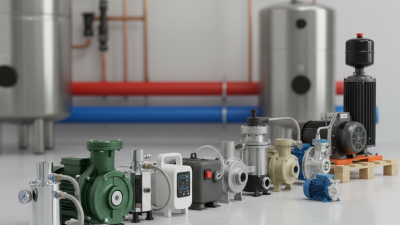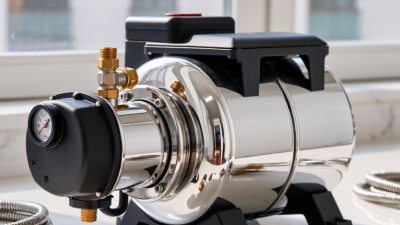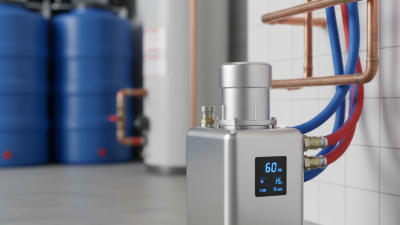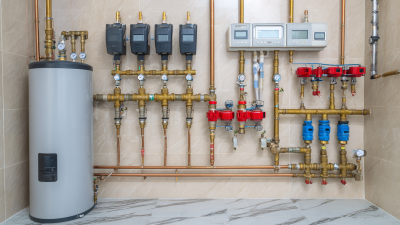
For global buyers, low water pressure is more than an inconvenience. It can turn a morning shower into a weak, uneven trickle. A home water pressure booster may restore comfort, but choosing one requires more than reading a product label. Pipe size, incoming pressure, building height, water temperature, and daily demand all matter.
This guide examines ten pressure-boosting options for homes in different regions. Each comparison considers pump performance, control systems, noise, energy use, materials, maintenance, and installation requirements. We also review compatibility with 110V, 220V, and 240V supplies. Always verify local electrical standards before purchasing. A compact pump may suit one bathroom. A larger household may need a pressure tank or variable-speed control. Bigger is not automatically better.
Real-world details often decide whether a purchase succeeds. Check the inlet and outlet fittings before ordering. Measure the available installation space. Listen for reported vibration, especially near bedrooms. Confirm whether replacement seals, filters, and service support are available in your country. Manufacturer specifications are useful, yet independent reviews can reveal performance during busy household periods. They can also be incomplete.
No ranking fits every home. Water systems differ, and product availability changes across markets. This overview supports careful comparison, but it cannot replace a qualified plumber’s assessment. When pressure fluctuates, unusual noise appears, or water quality is uncertain, professional inspection remains safer. The best booster matches your system, budget, and long-term maintenance reality.
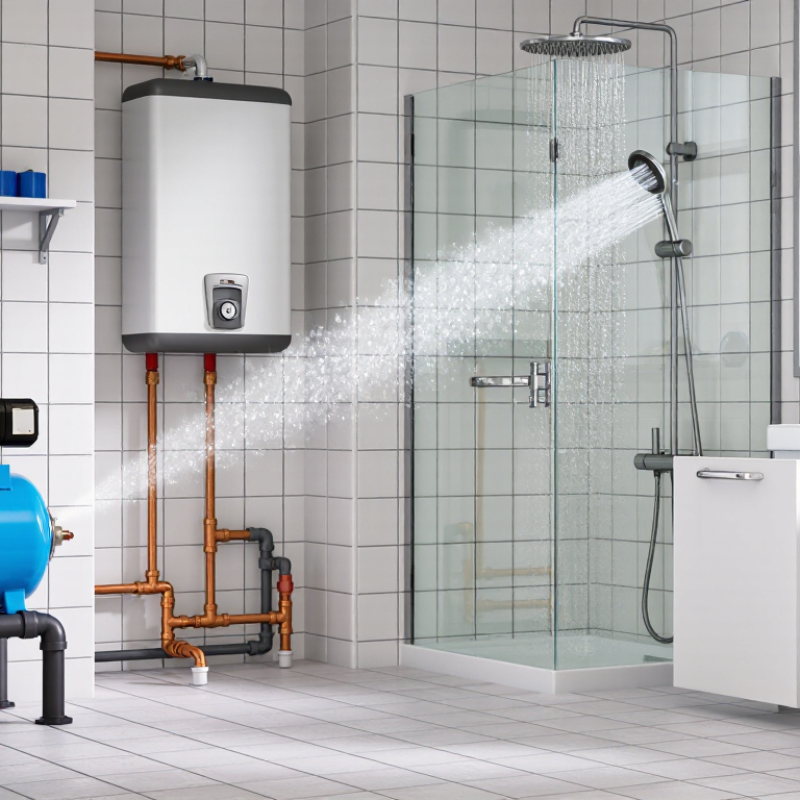
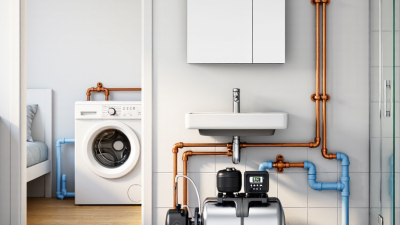
Home water pressure boosters are compact pump systems that increase weak water pressure inside a house. They do not create extra water. They push available water through pipes with greater force.
A pressure sensor starts the pump when a tap opens. The motor then drives an impeller, which accelerates the water flow. When the tap closes, the sensor stops the motor.
Some systems include a small pressure tank. This tank reduces rapid cycling and helps maintain steadier pressure during short showers. The result can feel like a stronger shower stream or faster toilet refill.
Performance depends on the incoming supply. A booster cannot work properly with an almost empty storage tank or a blocked filter. Pipe diameter, elevation, and simultaneous use also matter.
A pump sized for one bathroom may struggle when three outlets operate together. That detail is easy to miss. Buyers comparing the top ten options should check flow rate, pressure range, noise, electrical requirements, and dry-run protection.
Local plumbing rules may also require a non-return valve, isolation valves, or certified installation. Never assume a higher pressure setting is automatically better; old joints may leak under extra force.
In practice, correct sizing matters more than impressive specifications, although product charts do not always make that clear. A simple pressure gauge before and after installation can reveal whether the improvement is real.
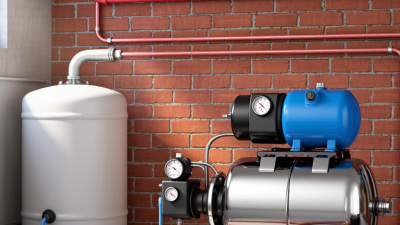
Choosing a water pressure booster starts with the home’s water source, pipe layout, and daily demand. An inline booster suits a small apartment with weak shower flow. It fits directly into the incoming pipe and needs little space. However, it may struggle when several taps run together. Check both static and working pressure before selecting one.
Whole-house systems work better for larger homes with multiple bathrooms. A pressure tank stores water and reduces frequent pump cycling. This setup can provide steadier flow, especially during morning showers. Variable-speed boosters adjust output as demand changes. They are efficient, but their controls require careful installation and protection from moisture. Homes using private wells may need a well booster matched to the existing pump and tank.
Small homes often need less power than expected. An oversized pump can create noise, leaks, and unnecessary energy use. Older properties also deserve a pipe inspection before installation. Mineral buildup may limit flow, even with a stronger booster.
I would not choose a system from shower symptoms alone. A licensed technician should verify pressure limits, electrical safety, backflow protection, and local requirements. Solar-powered options can help in suitable locations, yet cloudy periods may reduce performance. No booster fixes every problem.
Comparing the top 10 home water pressure boosters requires more than reading flow-rate claims. Start with your household demand: a shower may need steady pressure, while a washing machine needs reliable filling. Record the inlet pressure with a gauge during peak use. Numbers matter.
For global use, check voltage, frequency, pipe fittings, and motor protection before comparing performance. A booster rated for 220–240 volts may not suit every home electrical system. Confirm local certification requirements with a qualified installer. Examine maximum flow, noise levels, dry-run protection, and automatic start features. A quiet unit beside a bedroom may be more practical than a stronger, louder model. Also inspect the pump materials, seal quality, and replacement-part availability. These details often decide long-term value.
Compare the ten options in a simple table. Include tested flow at several pressure levels, not only the highest advertised figure. Look for clear installation instructions and responsive technical support. Warranty length helps, but service access matters more when the pump stops during a holiday. In my experience, oversized boosters can cycle too often and waste energy. I once focused too heavily on peak pressure and overlooked maintenance space. That was a costly lesson. Leave room around the pump, protect it from flooding, and ask whether your existing tank or pipes can handle the added pressure. Some homes may need professional pressure testing before purchase.
Installation quality often matters more than pump size. Measure static pressure, working pressure, and peak flow before choosing a booster. A gauge at the incoming pipe reveals pressure drops during showers or simultaneous appliance use. Avoid oversizing. Excess pressure can damage joints, valves, and older fixtures.
Install a strainer, non-return valve, isolation valves, and dry-run protection where local codes permit. Electrical requirements also differ worldwide, so confirm voltage, frequency, grounding, and certified installation rules.
A licensed technician should check backflow risks and pipe compatibility. Small mistakes become expensive leaks.
Maintenance is practical, but often neglected. Clean the inlet strainer every few months, especially where sediment enters the supply. Inspect seals, vibration mounts, and control sensors during routine servicing. Hard-water areas may need more frequent descaling.
EPA WaterSense reports that household leaks can waste nearly 10,000 gallons annually. That figure makes pressure testing worthwhile. Set the lowest pressure that meets household needs.
Variable-speed control can reduce cycling and unnecessary electricity use. The U.S. Energy Information Administration reports that water heating uses about 18% of residential energy consumption. Lowering wasted flow can therefore reduce both pumping and heating demand.
I would not trust a “silent” claim without testing. Noise depends on pipe support, air pockets, and wall construction.
Performance on paper is not performance at home.
Choosing among the top ten home water pressure boosters requires more than comparing flow rates. Safety certification, local voltage, and pipe compatibility deserve equal attention.
For potable water, check whether wetted parts meet recognized drinking-water material standards in your market. Electrical models should match local voltage and frequency, such as 110–120V at 60Hz or 220–240V at 50Hz. Look for dry-run protection, thermal overload control, leak-resistant fittings, and an enclosure suited to damp rooms. An IP rating helps, but it does not make careless installation safe.
Regional plumbing systems also differ. Thread sizes, pipe materials, inlet pressure, and storage-tank arrangements can change the correct booster choice. A model designed for direct mains use may not suit a gravity-fed tank. Confirm the required flow at peak demand, not just the advertised maximum. That figure can be optimistic.
Check certification databases where possible, rather than trusting a printed logo. Local inspection rules may require a qualified installer, isolation valves, pressure relief, or backflow protection. Keep access clear for maintenance. A quiet pump is useful, but vibration can still loosen connections over time. I would measure the existing pressure at several hours before buying. One reading is not enough. Even careful guidance can miss a regional requirement, so verify the installation manual and local authority rules before ordering.
| Rank | Booster Configuration | Typical Flow Rate | Typical Pressure Gain | Typical Motor Supply | Common Connections | Regional Compatibility | Safety and Compliance Checks | Best-Fit Application |
|---|---|---|---|---|---|---|---|---|
| 1 | Variable-speed constant-pressure booster | 20–80 L/min (5–21 gpm) |
1.5–3.5 bar (22–51 psi) |
110–120 V / 60 Hz or 220–240 V / 50–60 Hz |
¾–1½ in. threaded or flanged | Most regions when the voltage, frequency, pipe size, and local electrical approvals match. | IEC 60335-1 and IEC 60335-2-41; dry-run, overload, thermal, and leak protection; potable-water approval where required. | Whole-home supply with changing demand and multiple simultaneous outlets. |
| 2 | Tank-mounted multi-stage booster set | 25–100 L/min (7–26 gpm) |
2–5 bar (29–73 psi) |
220–240 V / 50 Hz or 110–120 V / 60 Hz |
1–2 in. threaded or flanged | Suitable for residential systems in Europe, Asia-Pacific, Africa, and the Americas after electrical verification. | Pressure-vessel certification, relief valve, non-return valve, grounding, and local potable-water material rules. | Large homes, small apartment buildings, or properties with substantial peak demand. |
| 3 | Compact automatic inline booster | 8–35 L/min (2–9 gpm) |
0.8–2.0 bar (12–29 psi) |
110–120 V / 60 Hz or 220–240 V / 50 Hz |
½–1 in. threaded | Good for standard domestic plumbing; check plug, wiring, and frequency in export markets. | Flow sensor, automatic shut-off, dry-run protection, IP rating, and drinking-water suitability if installed on potable lines. | One bathroom, kitchen line, shower, or a small residential zone. |
| 4 | Hot-water circulation and pressure-assist unit | 5–30 L/min (1–8 gpm) |
0.3–1.5 bar (4–22 psi) |
110–120 V / 60 Hz or 220–240 V / 50 Hz |
½–1 in. threaded | Select a model rated for the local hot-water temperature and electrical system. | Maximum liquid-temperature rating, anti-scald design, thermal cut-out, corrosion-resistant wetted parts, and applicable pump safety standards. | Hot-water lines where low pressure and long waiting times occur. |
| 5 | Rainwater-tank booster package | 20–70 L/min (5–18 gpm) |
1.5–4 bar (22–58 psi) |
220–240 V / 50 Hz or 110–120 V / 60 Hz |
¾–1½ in. threaded or flanged | Common in Australia, New Zealand, Europe, and selected water-reuse installations worldwide. | Tank strainer, float switch, dry-run protection, backflow prevention, and separation from potable plumbing under EN 1717 or local rules. | Toilets, irrigation, laundry, and other non-potable household uses. |
| 6 | Borehole or well-water booster system | 20–90 L/min (5–24 gpm) |
2–6 bar (29–87 psi) |
220–240 V / 50 Hz or 110–120 V / 60 Hz |
1–2 in. threaded or flanged | Suitable worldwide where well depth, water chemistry, and electrical supply are correctly assessed. | Water-quality testing, sediment filtration, non-return valve, dry-run protection, grounding, and pressure-vessel safety. | Rural homes and properties supplied by private wells or boreholes. |
| 7 | Solar-ready DC booster with controller | 10–60 L/min (3–16 gpm) |
1–4 bar (15–58 psi) |
12, 24, 48, or 72 V DC depending on system design |
½–1½ in. threaded | Useful in off-grid regions; verify solar array, battery, controller, and local low-voltage requirements. | DC over-current protection, reverse-polarity protection, enclosure rating, battery isolation, and safe low-voltage installation. | Remote homes, cabins, agricultural properties, and backup water systems. |
| 8 | Low-noise bathroom or shower booster | 6–25 L/min (2–7 gpm) |
0.5–1.5 bar (7–22 psi) |
110–120 V / 60 Hz or 220–240 V / 50 Hz |
½–¾ in. threaded | Check bathroom electrical-zone rules, residual-current protection, and the local voltage before installation. | Low operating noise, thermal protection, IP rating appropriate to the location, and safe separation from splash zones. | Single shower or bathroom where compact size and quiet operation are priorities. |
| 9 | Three-phase commercial-residential booster set | 60–250 L/min (16–66 gpm) |
3–8 bar (44–116 psi) |
208–240 V or 380–415 V three-phase, 50–60 Hz |
1½–3 in. flanged or threaded | Best suited to buildings with compatible three-phase power; not normally suitable for a standard single-phase home circuit. | Professional installation, motor protection, phase-loss protection, pressure relief, grounding, and local building-code compliance. | Multi-unit housing, guesthouses, workshops, and high-demand domestic installations. |
| 10 | Portable transfer and emergency pressure booster | 10–45 L/min (3–12 gpm) |
0.5–2.5 bar (7–36 psi) |
12–24 V DC or 110–240 V AC |
½–1 in. hose or threaded fittings | Flexible for travel and emergency use; adapters and electrical protections must match the destination country. | Use only with clean water unless specifically rated otherwise; confirm hose material, electrical protection, and dry-run capability. | Temporary supply, camping, disaster recovery, maintenance work, and mobile water systems. |
sale@harbertpump.com,
sale@harbertpump.com