Why Do You Need a Pressure Booster Pump?
Why Do You Need a Pressure Booster Pump?
In many buildings, low water pressure appears at the worst possible moment. A shower turns cold. A rooftop tap produces only a weak stream. The washing machine fills slowly, while upper-floor toilets struggle to refill. A pressure booster pump can correct these problems by increasing water pressure and maintaining a more stable flow.
James B. Rishel, author of the HVAC Pump Handbook, offers a useful reminder: “A pump should be selected for the system, not the other way around.” This principle matters because a larger pump is not automatically a better solution. Experienced engineers examine pipe size, elevation, peak demand, inlet pressure, and available electrical supply before recommending equipment. They also consider noise, maintenance access, energy use, and the risk of excessive pressure.
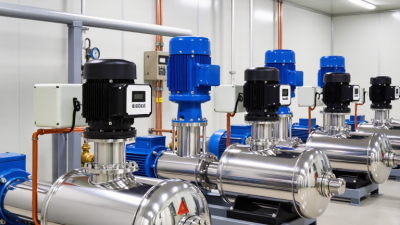
The details are practical. A family home may need reliable pressure during morning showers. A hotel may require steady flow across several occupied floors. A workshop may depend on consistent water delivery for cleaning equipment. Each situation demands a different pressure booster pump arrangement.
Still, a booster pump cannot repair every problem. Blocked filters, leaking pipes, undersized plumbing, and municipal supply limits may be the real causes. That is easy to overlook. A pressure gauge, flow test, and professional inspection should guide the decision.
The right system should feel almost invisible. Water arrives smoothly, quietly, and safely. That is the real purpose of pressure improvement.
What Is a Pressure Booster Pump?
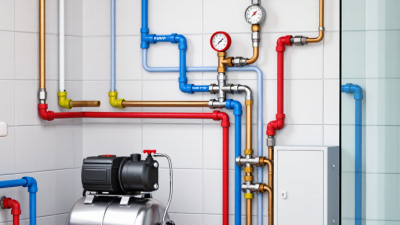
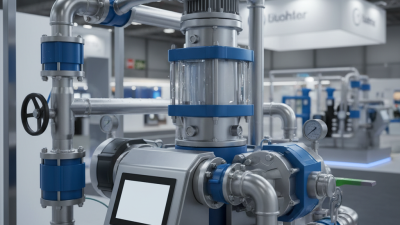
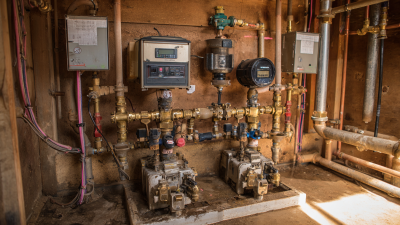
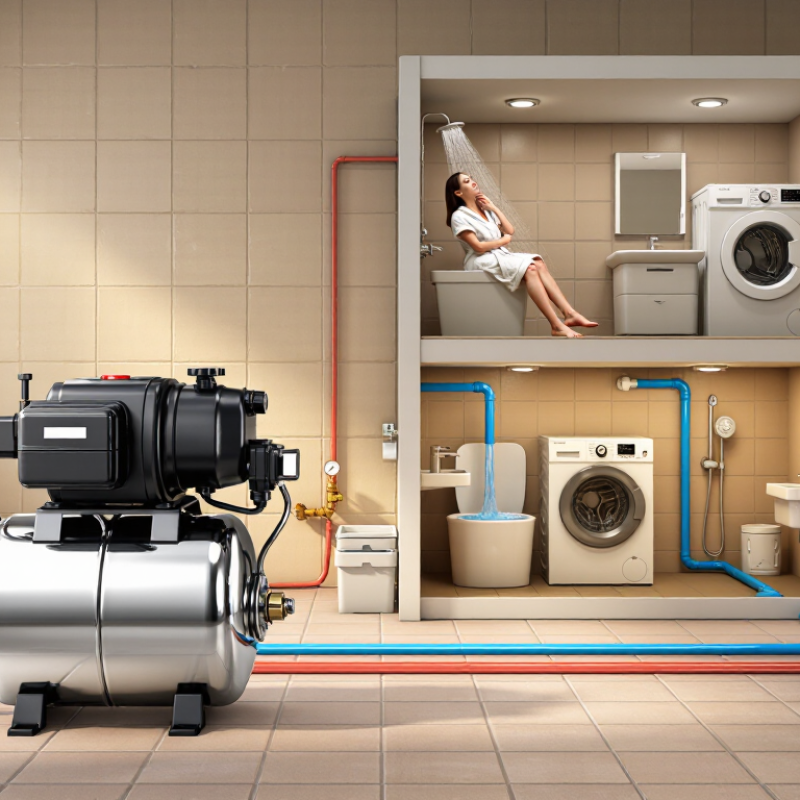
A pressure booster pump is a mechanical system that increases water pressure inside a building. It helps when municipal supply, a storage tank, or an upper-floor pipe cannot deliver enough force. The assembly usually includes a motor, impeller, pressure sensor, controller, and pressure vessel. When a shower or tap opens, the sensor detects falling pressure. The pump then adds controlled force to the water line. It does not create unlimited water flow. That distinction matters.
In a two-story home, weak flow may appear when several fixtures operate together. A shower can turn cold, a toilet may refill slowly, or an upstairs tap may produce only a thin stream. A correctly sized pump can stabilize these changes. The U.S. Department of Energy reports that water heating represents about 18% of household energy use. Stable pressure may improve fixture performance, but oversizing the pump can increase energy use and pipe stress.
Diagnosis should come before installation. A pressure gauge, filter inspection, and leak test can reveal the real problem. EPA WaterSense estimates that household leaks waste nearly 10,000 gallons of water annually. A booster pump cannot repair a hidden leak or blocked pipe. In field practice, the first assumption is often wrong. Sometimes the pump is unnecessary. A plumber should check incoming pressure, peak demand, pipe diameter, and required flow before selecting equipment.
How Does a Pressure Booster Pump Work?
Why Do You Need a Pressure Booster Pump?
How Does a Pressure Booster Pump Work?
A pressure booster pump raises water pressure when the incoming supply feels weak. It does not create water from nothing. Instead, it moves available water more forcefully through pipes, fixtures, or upper floors. When someone opens a tap, a pressure sensor detects the pressure drop. The controller then starts the motor. The motor spins an impeller, which pushes water through the pump chamber and toward the outlet.
Many systems include a pressure tank. The tank stores a small volume of pressurized water, reducing frequent motor starts. A check valve helps prevent backflow when the tap closes. Some modern pumps change motor speed as demand changes. A shower may need steady pressure, while a single basin needs much less flow. This adjustment can reduce noise and unnecessary energy use.
Correct sizing matters more than simply choosing a stronger pump. A pump that is too large may cause pipe vibration, leaks, or unstable pressure. A small pump may run continuously and still disappoint users. Installers should measure inlet pressure, pipe length, elevation, and peak flow before installation. Blocked filters can also imitate a weak pump. That detail is easy to miss. I would recheck the pressure after installation, because real household demand often differs from the original estimate. Even a well-designed system can perform poorly when air enters the line or maintenance is neglected.
When Do You Need a Pressure Booster Pump?
A pressure booster pump may be needed when taps weaken as soon as another fixture opens. Watch for a shower that turns thin when a washing machine fills, or an upper-floor faucet that barely flows. These signs matter most when they occur repeatedly, not just during a brief utility outage. A booster is not a cure for every weak shower.
Check pressure with a gauge at the building supply, both with taps closed and while water is running. A sharp drop under flow can point to inadequate incoming supply, undersized pipes, a clogged filter, or a failing pressure regulator. Find the cause first. If pressure is already adequate at the supply, a pump may add noise and cost without fixing the restriction. The 2021 International Plumbing Code calls for pressure reduction when static pressure exceeds 80 psi, so more pressure is not always better.
Consider a booster when verified low supply pressure affects several fixtures, especially on higher floors or during peak-use periods. A plumber can compare measured pressure and flow with fixture requirements, then size the pump and pressure tank accordingly. Avoid oversizing: the U.S. Department of Energy and Hydraulic Institute’s Improving Pumping System Performance guide notes that pumping systems can use 25–50% of energy in some industrial facilities. That figure is not a household estimate, but it underlines why matching pump capacity to real demand matters.
What Benefits Can a Pressure Booster Pump Provide?
A pressure booster pump can make everyday water use feel more dependable. When pressure is low, a shower may weaken as someone opens a kitchen tap. A correctly sized pump can help maintain steadier flow across several fixtures, depending on the home’s plumbing and water supply. That matters. It can also help upper-floor taps and garden sprinklers receive usable flow when the incoming pressure is limited.
More consistent pressure may make routine tasks less frustrating: filling a sink, rinsing dishes, or taking a shower without sudden changes. Some water-using equipment also needs pressure within its specified range to work as intended. A pressure gauge and a check of the system’s demand can help determine whether a booster is appropriate. Bigger is not automatically better. Excessive pressure can strain pipes, fittings, and appliances, so the pump should match the installation and include suitable pressure controls.
A booster pump cannot fix every cause of weak flow. A clogged filter, undersized pipe, leak, or restricted valve may be the real problem. Not always. It is worth checking those basics before adding equipment; otherwise, a pump may hide a symptom while leaving the cause untouched. The improvement also depends on having enough water available at the pump’s inlet.
Why Use a Pressure Booster Pump?
A booster pump can help raise water pressure when the incoming supply is too low for comfortable use.
Common U.S. residential guidance treats pressure below about 40 psi as potentially inadequate, while 45–60 psi is a typical target range. Pressure above 80 psi may require pressure reduction under local plumbing rules. A booster pump can improve pressure where supply is insufficient; have pressure checked under flow and follow local code when choosing equipment.
How Should You Choose and Maintain One?
Why Do You Need a Pressure Booster Pump?
Choosing a pressure booster pump starts with measuring your actual water demand. Check the incoming pressure, peak flow, pipe size, and the number of fixtures used together. A small apartment may need steady pressure for showers and washing machines. A larger home may require stronger flow during simultaneous use. Do not choose by horsepower alone. Excess capacity can cause noisy operation, pressure surges, and frequent cycling. The pump should match the system, not impress the specification sheet.
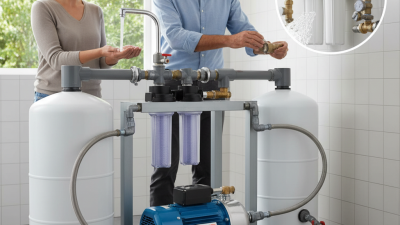
Tips: Install a pressure gauge before and after the pump. This simple detail makes troubleshooting easier. Choose a model with dry-run protection and automatic control. Confirm that its materials suit your water conditions. A storage tank may reduce repeated starts. An experienced plumber can also check whether blocked pipes or a dirty inlet filter cause the low pressure. Sometimes, the pump is not the real problem.
Maintenance is straightforward but should be consistent. Inspect connections for small leaks every few months. Clean the inlet strainer when flow weakens. Check unusual vibration, heat, or humming sounds early. Follow the manufacturer’s service limits and local electrical requirements. Keep the pump area dry and accessible. I have seen systems fail because owners ignored a slowly falling pressure reading. That sign was easy to miss, but it usually deserved attention.