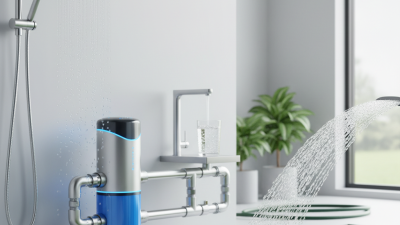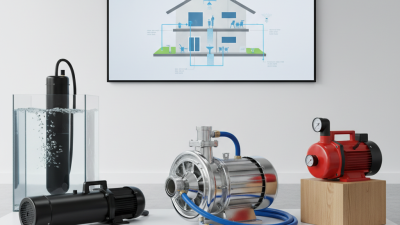
A home water pressure booster is essential for maintaining optimal water flow in your household. Many people face low water pressure issues, particularly in multi-story homes or areas with aging infrastructure. Installing a booster system can enhance your water supply, improving daily activities like showering, washing dishes, or watering the garden.
This guide aims to provide a detailed overview of how to properly install a home water pressure booster. It’s crucial to approach this project with care, as improper installation can lead to further issues. Ensuring reliable water pressure not only enhances convenience but also contributes to the efficiency of your plumbing fixtures.
Throughout the installation process, common mistakes may occur. Some may underestimate the space required for the system or choose the wrong pump, which could cause frustration later. Taking the time to research and plan can save you from future regrets. Let's explore the steps needed to set up your home water pressure booster effectively, ensuring your home enjoys a steady and strong water flow.
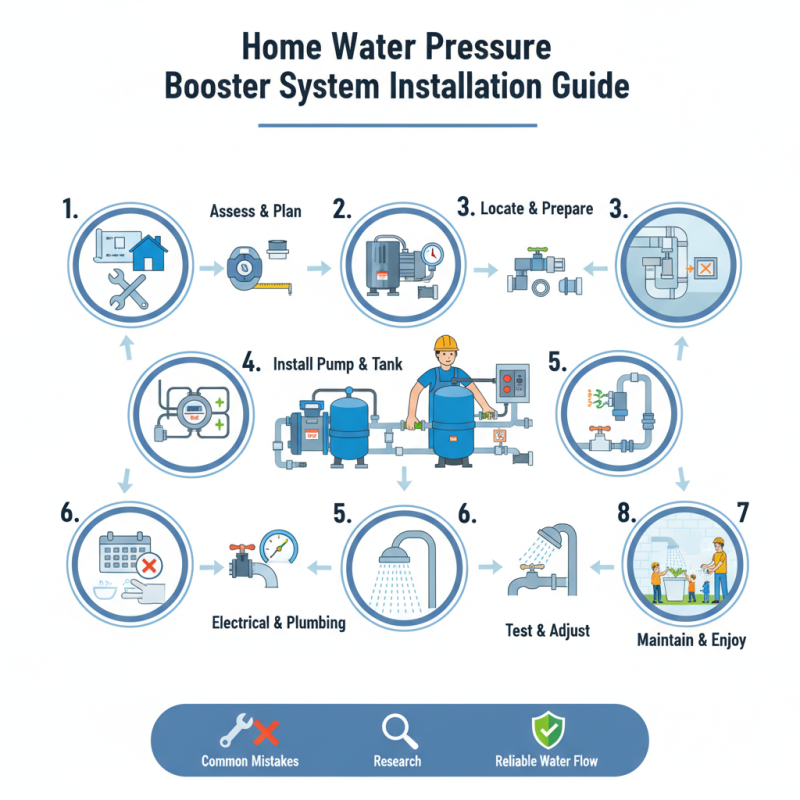
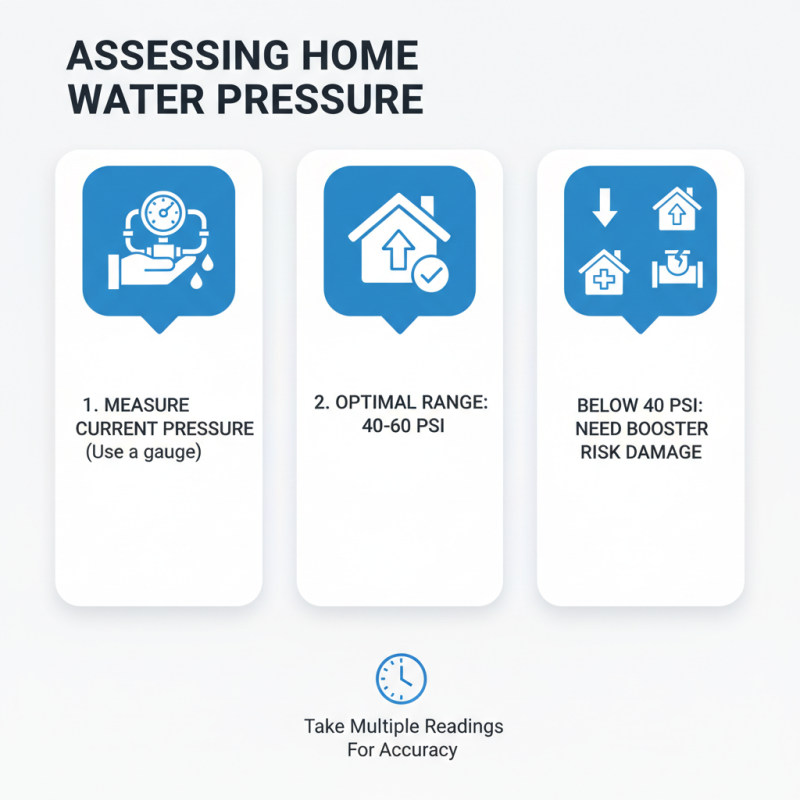
Assessing your home's water pressure needs is crucial before installing a water pressure booster system. Start by measuring the current water pressure using a gauge. Most homes require a pressure between 40 to 60 psi for optimal performance. A reading below 40 psi indicates the need for a booster system, while anything above 60 psi could lead to pipe damage. Take multiple readings at different times to ensure accuracy.
Next, consider your household's water usage. Larger families or those with multiple bathrooms will have different requirements compared to smaller households. Check if your fixtures are meeting your expectations. If showers or faucets are weak, this can signal low pressure. Always note any inconsistent pressure during peak usage times. Engaging with a local plumber may offer deeper insights, as they understand regional supply and common issues.
Be aware that installing a water pressure booster system requires careful attention. Not all systems are suitable for every household situation. Assessing factors, such as pipe size and layout, can reveal complications. Hence, consulting with an expert can prevent future headaches. Recognizing these variables will aid in choosing the right system for your home. Invest time in this step to ensure a balanced and effective installation.
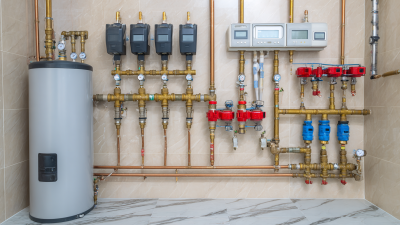
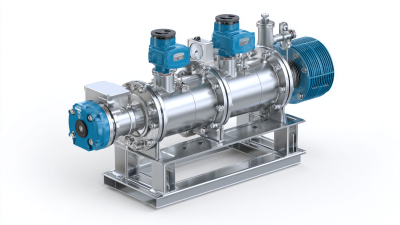
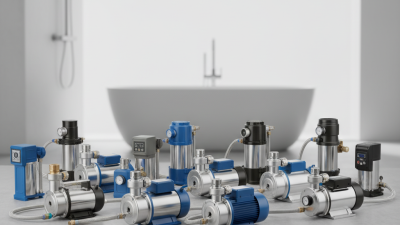
When considering a home water pressure booster system, it's crucial to understand the types available. These systems can enhance your water pressure, making everyday tasks easier. The most common type is the constant pressure system, which maintains steady pressure regardless of demand. This is especially beneficial in homes with multiple bathrooms or high water usage.
Another option is the variable speed system. This system adjusts its performance based on the current water demand. For instance, if you turn on a faucet, it responds by increasing pressure as needed. This can save energy and reduce wear on the system. However, homeowners should be cautious because these systems may require more maintenance due to their complexity.
There are also simple inline booster pumps. These units are straightforward to install and work effectively in boosting pressure for specific areas. They can be a good option for spots like a shower or laundry room. Be mindful, though. Some systems might create noise during operation, which can be a downside. Choosing the right system can be challenging and may involve trial and error to find the best fit for your home’s needs.
Installing a home water pressure booster system can significantly improve water flow in your household. According to the Plumbing Manufacturers International (PMI), nearly 85% of homes experience low water pressure at some point. This can lead to frustrating scenarios, like slow showers or lengthy dishwashing times. A pressure booster system can remedy this effectively.
Begin your installation by assessing your current water pressure using a pressure gauge. The ideal residential water pressure ranges from 40 to 60 psi. If numbers fall below this range, a booster system is necessary. Ensure that the booster is rated to handle your household’s water demands. Typically, systems vary in capacity, with many offering between 30 to 50 gallons per minute.
Next, install the new pump near your main water line. Pay close attention to the instructions provided. Proper alignment and sealing are crucial; leaks can be a headache later. Consider that even a minor error could lead to reduced efficiency. Once set up, test the system. Adjust the pressure settings as needed. Regular maintenance checks will help ensure longevity. Many users overlook this, yet timely adjustments can extend the life of the system significantly.
Installing a home water pressure booster system can significantly improve your water flow. To begin this project, gather essential tools and materials. You'll need a water pressure booster pump, a pressure gauge, and a shut-off valve. Don't forget the plumbing pipes, connectors, and thread seal tape. These items are crucial for ensuring a solid installation.
In terms of tools, a wrench is necessary for tightening nuts and bolts. Pliers will help grip various components. A screwdriver is vital for securing electronic connections. Additionally, a level may be needed to ensure everything aligns properly. Safety gear, like gloves and goggles, can protect you during installation.
Be prepared for some trial and error. Not every installation goes smoothly. Check for leaks after your work is done. If you notice a drop in water pressure, it may indicate an issue. Always refer to the installation guide specific to your booster system. Proper precautions ensure longevity and functionality. Remember, each installation is unique, and flexibility is key.
Installing a home water pressure booster system can significantly improve water flow. However, maintenance is key to keep it running efficiently. Regular checks and cleanings are crucial. Start by inspecting the system for leaks. Even small leaks can waste water and reduce pressure. Keep an eye on the pressure gauge. It should consistently show the optimal range.
Filters in the system need attention too. Dirty filters restrict water flow. Replace them as recommended by your user manual, typically every few months. When you notice reduced pressure, it could mean it’s time for a filter change. Additionally, listen for any strange noises from the pump. Unusual sounds often signal underlying issues that require timely intervention.
Make it a habit to schedule annual professional inspections. An expert can identify problems you might miss. They can also ensure the system aligns with local codes. Proper maintenance not only prolongs your system’s life but also enhances efficiency. Reflect on your practices. Are you consistently maintaining your booster system? Regular attention can prevent costly repairs down the line.
| Aspect | Details |
|---|---|
| System Type | Single-stage Booster |
| Max Pressure Output | 70 PSI |
| Power Requirements | 115V AC, 60Hz |
| Water Flow Rate | 5-10 GPM |
| Installation Time | 2-4 hours |
| Maintenance Frequency | Every 6 months |
| Common Issues | Clogged Filter, Motor Overheating |
| Efficiency Tips | Regular Cleaning, Check for Leaks |
sale@harbertpump.com,
sale@harbertpump.com