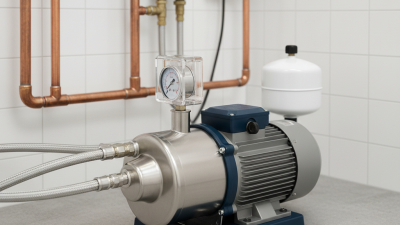
Top Booster Pump Options for 2026 What to Consider?
As industries evolve, the demand for efficient booster pumps continues to rise. A recent report from the International Water Association (IWA) highlights a projected growth of 7% in the booster pump market by 2026. This suggests a robust future for businesses relying on these essential devices. Industry expert Dr. Emily Carter states, "Understanding the operational needs of a system is crucial for selecting the right booster pump." Her insight emphasizes the complexity of this selection process, which often requires careful consideration of various factors.
Choosing the best booster pump must be data-driven. Factors like pressure requirements, flow rates, and energy efficiency cannot be overlooked. However, many companies still make choices based on price alone. This common oversight risks performance and maintenance issues down the line. Clear specifications and expert guidance play vital roles in achieving optimal results.
As we explore the top booster pump options for 2026, attention to detail becomes paramount. The market is dynamic, and technology is advancing. Users must stay informed to navigate this landscape effectively. Failing to adapt may lead to missed opportunities and inefficiencies. Prioritizing reliability and performance will be key in the coming years.

Top Features to Consider in Booster Pumps for 2026
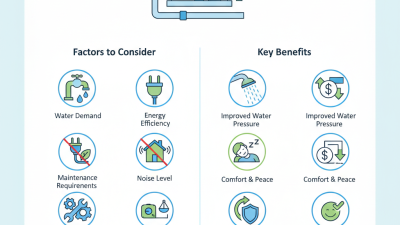
When selecting a booster pump for 2026, there are several key features to prioritize.
Efficiency should be at the top of your list. A pump that operates on
minimal energy while delivering maximum flow helps reduce operational costs. Opt for models that offer variable speed drives.
This allows for better control over the flow rates, enabling adjustments based on specific requirements.
Durability is another essential consideration. Look for pumps designed with
corrosion-resistant materials. This ensures long-term performance and minimizes maintenance.
Additionally, consider noise levels. A quieter operation can significantly enhance the overall
user experience. Pumps equipped with sound-dampening technology or better enclosure designs are worth exploring.
Lastly, keep an eye on automation options. Smart pumps that integrate IoT capabilities can provide
real-time monitoring. This feature allows for predictive maintenance, helping you avoid unexpected failures. However, remember that not
all automated features are necessary for every application. Assess your needs critically before making a decision.
Comparative Analysis of Leading Booster Pump Brands
When choosing a booster pump, evaluating leading brands is crucial. A recent industry report highlights that over 30% of pumps fail within the first two years due to poor design. Therefore, considering durability and reliability is essential.
Performance metrics are also significant. Many pumps may have high flow rates but lower efficiency, leading to increased operational costs.
Some brands excel in specific sectors. For example, industrial applications benefit from pumps with robust construction and higher pressure ratings. In contrast, residential systems often prioritize energy efficiency. Though many top options claim to deliver optimal performance, not all meet rigorous industry standards. Consumer feedback can be insightful, with reports indicating user dissatisfaction often revolves around noise levels and maintenance requirements.
Cost is another factor. While premium models may promise longevity, budget-friendly options can perform adequately if chosen wisely. Transparency in testing and certification processes adds credibility to a brand. Failure to consider these aspects can lead to costly mistakes. A clear understanding of each option helps in making an informed selection, ensuring the pump fits both application needs and budget constraints.
Evaluating Pump Efficiency and Energy Consumption
When considering booster pumps for 2026, efficiency and energy consumption are crucial. Choosing the right pump directly impacts operational costs. A well-designed pump should minimize waste while delivering required pressure. Evaluating pump efficiency involves examining the system’s overall hydraulic performance.
Tips: Consider the pump's flow rate against the required pressure. Higher flow rates can lead to excessive energy use.
Energy consumption should not be overlooked. A pump's energy usage typically represents a significant part of its lifecycle cost. Examine the motor efficiency, as it profoundly affects performance and sustainability. Operating a less efficient pump often results in higher bills and increased maintenance needs.
Tips: Regular maintenance can enhance efficiency. Simple checks on seals and bearings can prevent energy loss.
Understanding these factors can lead to better investment decisions. Reflect on choosing a pump that aligns with energy-saving practices. Compatibility with existing systems also matters; a mismatch can reduce both efficiency and effectiveness.
Maintenance and Longevity Factors in Booster Pumps
When considering booster pumps for 2026, maintenance is crucial for long-term effectiveness. Regular inspection keeps performance at its peak. Ensure you check seals and connections frequently. This simple step can avoid major issues later.
Tips: For optimal performance, clean filters regularly. Debris can hinder efficiency. Also, keep an eye on vibrations. Unusual sounds might indicate underlying problems. Address them quickly.
Longevity factors for booster pumps include temperature control. High temperatures can degrade materials over time. Ensure your pump operates within its designed temperature range. Regular lubrication of moving parts is essential too. Neglecting this can lead to premature wear.
Tips: Schedule routine check-ups. A professional can offer insights that might be overlooked. Don’t underestimate the value of timely maintenance. It's better to address small problems than let them escalate.
Top Booster Pump Options for 2026
This chart illustrates the projected maintenance and longevity factors for various booster pump options in 2026. The data reflects the expected lifespan (in years) and average maintenance frequency (in times per year) for different pump types.
Cost-Effectiveness and Return on Investment in Pump Choices
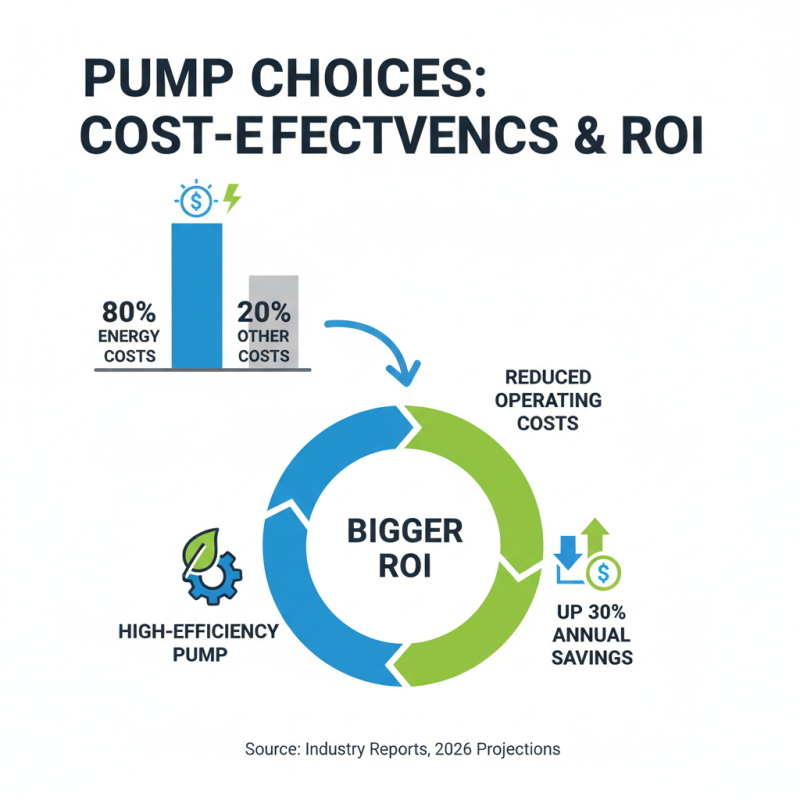
When selecting booster pumps for 2026, cost-effectiveness and return on investment (ROI) are crucial. According to industry reports, energy costs can account for 80% of a pump's lifecycle expenses. Therefore, choosing a pump with high efficiency can significantly reduce these costs. Manufacturers increasingly focus on energy-efficient designs. Some studies suggest that upgrading to an energy-efficient model can yield savings of up to 30% on energy bills annually.
Maintenance costs also play a significant role in overall expenses. Regular maintenance can prevent unexpected breakdowns and costly repairs. An average facility can spend around 1% to 3% of its total asset value annually on maintenance. Investing in pumps with durable materials and advanced technology can lower these maintenance costs. However, initial costs may be higher. This creates a dilemma for many businesses, which must balance upfront investment against long-term savings.
While considering the ROI, it's essential to evaluate the total cost of ownership over the pump's lifespan. Some models may have a lower purchase price but higher operational costs. A comprehensive analysis should include factors like installation, maintenance, and energy consumption. Not every pump is suitable for every application. A clear understanding of specific requirements can lead to smarter, more informed decisions.