A booster pump is an essential device used to increase water pressure in various systems. It is particularly useful in residential and commercial settings where water supply is inadequate. Understanding how a booster pump operates can significantly improve water distribution efficiency.
These pumps are designed to address low-pressure issues. They work by drawing in water and using a motor to increase its velocity and pressure. This process ensures a steady flow even when demand is high. However, relying on a booster pump may not always resolve underlying plumbing problems. Regular maintenance is vital to avoid inefficiencies and breakdowns.
Choosing the right booster pump requires careful consideration of specific needs. Factors include the required pressure, flow rate, and pump type. Consulting with experts can guide decision-making. Remember, a solution that works in one scenario may not be ideal in another. Balancing performance and reliability is crucial when integrating a booster pump into your water system.
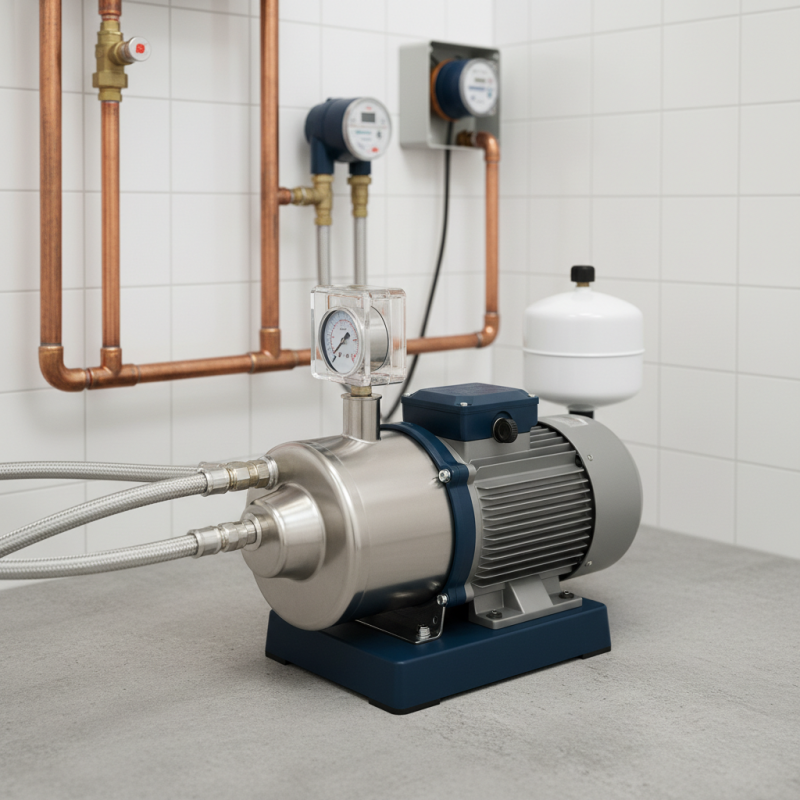
A booster pump is an essential tool for enhancing water pressure in various applications. It is primarily used in residential, commercial, and industrial settings to ensure adequate water supply. Typically, these pumps increase the pressure of water when it is insufficient for tasks like irrigation, showering, or supplying appliances. According to a report by the Water Quality Association, nearly 20% of homes experience low water pressure issues. This highlights the importance of booster pumps in modern plumbing systems.
Booster pumps work by taking in water from a source and pressurizing it before distributing it to the desired location. The process involves an electric motor that drives an impeller to create a suction effect. This system is effective for maintaining consistent water flow, especially in multi-story buildings where gravity affects pressure. Industry data suggests that installed booster pumps can improve water delivery efficiency by up to 35%, making them vital in large facilities.
Tips for optimizing booster pump performance include regular maintenance checks and ensuring that filtration systems are clean. Additionally, consider the pump's placement within your plumbing system. An ideal location reduces energy consumption and enhances system efficiency. It’s crucial to monitor signs of wear and tear. Ignoring these factors can lead to reduced lifespan and operational inefficiencies, potentially resulting in costly repairs.
This bar chart illustrates key performance metrics of a booster pump, including Pressure Increase, Flow Rate, Efficiency, and Energy Consumption. These metrics are essential for evaluating the performance and suitability of a booster pump for specific applications.
Booster pumps play a crucial role in enhancing water pressure. They are vital in both residential and industrial applications. These pumps are designed to increase pressure in water delivery systems, ensuring efficient flow rates and system performance. According to industry reports, more than 30% of water supply systems in urban areas use booster pumps to tackle low-pressure issues.
The working principle of a booster pump is fairly straightforward. When water is fed into the pump, it is accelerated using a mechanical impeller. This creates a pressure differential that pushes water through the pipes. The energy transferred by the impeller increases water pressure. Research indicates that a well-optimized booster pump can improve flow rates by up to 50% in some scenarios. However, mismanagement or incorrect sizing can lead to cavitation issues, significantly reducing pump efficiency and lifespan.
In-depth analysis shows that energy consumption is another factor to consider. If used excessively, booster pumps can lead to higher operational costs. It's essential to implement smart controls to minimize waste. Regular maintenance is often overlooked, which can result in performance degradation. Understanding the nuances of these systems is key for effective application. Adopting best practices can result in both cost savings and improved reliability.
| Dimension | Value |
|---|---|
| Flow Rate | 1000 L/h |
| Pressure Increase | 2.5 bar |
| Power Consumption | 750 W |
| Motor Type | Electric Motor |
| Typical Applications | Water Supply, Irrigation, Swimming Pools |
| Materials Used | Stainless Steel, Cast Iron, Plastic |
| Average Lifespan | 10-15 years |
Booster pumps serve an essential role in enhancing water pressure in various applications. When discussing types of booster pumps, two main categories arise: centrifugal and positive displacement. Each serves different purposes and operates on distinct principles.
Centrifugal pumps use a rotating impeller to add velocity to water. This increase in velocity translates to higher pressure. They are ideal for large volumes of water. However, they can struggle with high-viscosity fluids. Users must evaluate their specific needs carefully. If the flow rate fluctuates, a centrifugal pump might not provide efficient performance.
On the other hand, positive displacement pumps work differently. They trap a fixed amount of fluid and then force it into the discharge pipe. This design is effective for high-viscosity liquids or applications requiring precise fluid delivery. Yet, these pumps can become problematic if there's no flow. This scenario may lead to overheating and damage. In choosing between these types, understanding your unique needs is critical. Each pump design has its strengths and weaknesses, making the selection process essential.
Booster pumps play a vital role across multiple industries. They enhance water pressure in residential systems, commercial buildings, and even agricultural setups. In the hospitality sector, these pumps ensure consistent water flow for guests. According to a report by the International Water Association, over 60% of hotels use booster systems to maintain service quality.
In industrial applications, booster pumps are crucial for manufacturing processes, where precise fluid delivery is necessary. In fact, a study by the Chemical Engineering Journal noted that more than 70% of production facilities rely on these pumps to optimize their operations. Processes like cooling, washing, and fluid transport depend heavily on adequate pressure supplied by booster pumps.
Tip: Regular maintenance is vital. Check for leaks and wear on components. A small issue can escalate into significant downtime.
There are some challenges with booster pumps. They can be noisy, which might disturb operations in quiet settings. Energy consumption can also be a concern. An energy audit can help identify inefficiencies. Understanding the specific needs of a system can lead to better pump selection.
Tip: When selecting a booster pump, consider both your pressure needs and energy costs. Balancing these factors is essential for efficiency.
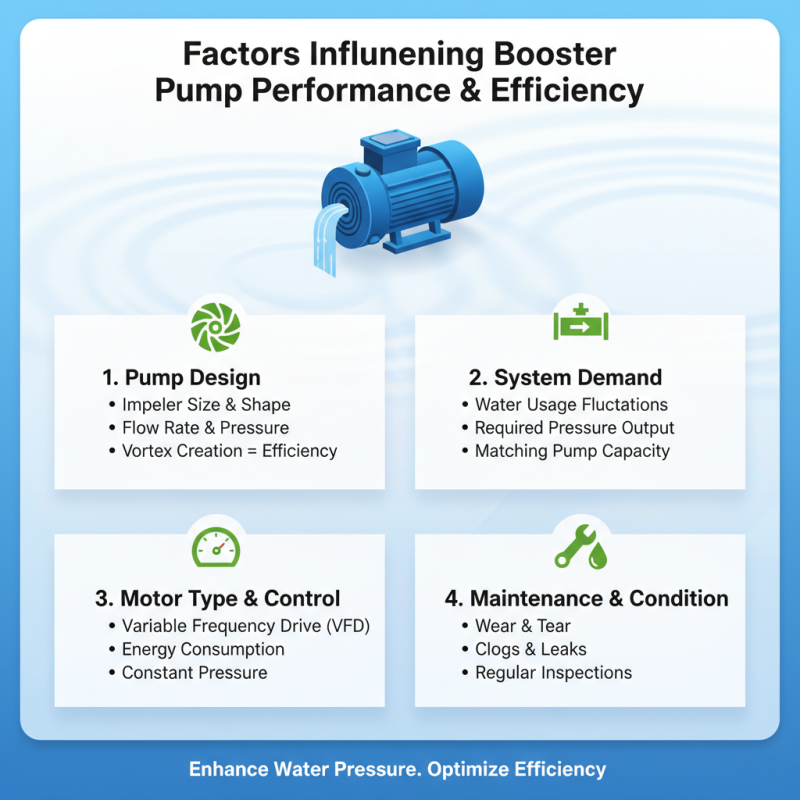
Booster pumps play a crucial role in enhancing water pressure in various systems. Their performance and efficiency are influenced by several key factors. One major aspect is the design of the pump itself. For instance, impeller size and shape can dramatically affect flow rates and pressure output. A properly designed impeller can create a strong vortex, improving efficiency.
Another influence is the pipe size and layout in the system. Smaller pipes can restrict flow and cause pressure drops. This ultimately impacts the booster pump's effectiveness. Users often overlook this and later face performance issues. Moreover, the viscosity of the fluid being pumped matters too. Thicker fluids require more energy to move, leading to reduced efficiency.
Finally, regular maintenance is essential for sustaining performance. A neglected booster pump may suffer from wear and tear, affecting its ability to maintain optimal pressure. Operators should regularly check for leaks or obstructions in the system. Ignoring these factors can lead to decreased reliability and increased operational costs. Each element plays a crucial role in the overall efficiency of booster pumps.
sale@harbertpump.com,
sale@harbertpump.com