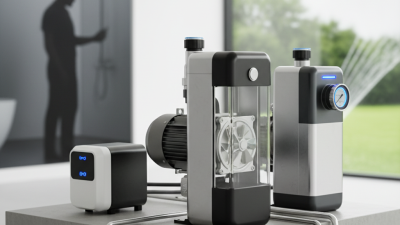
In the world of home improvements, ensuring optimal water pressure is crucial. Many homeowners overlook it until they face problems. According to John Harrison, a plumbing expert with over 15 years of experience, "A reliable home water pressure booster can transform your daily routines." This technology is not just a luxury but can enhance showering experiences, improve appliance efficiency, and boost overall satisfaction.
Selecting the right home water pressure booster can seem daunting. Various models exist on the market, each boasting unique features. It's essential to consider factors such as water flow rate and pressure capabilities. Some users may rush into a purchase and later realize the model doesn’t meet their expectations, leading to regrets.
Investing time in research helps avoid dissatisfaction. A solid understanding of your household needs and water system can guide your choice. With the right home water pressure booster, you can enjoy the benefits of consistent water pressure, making daily tasks far more enjoyable.
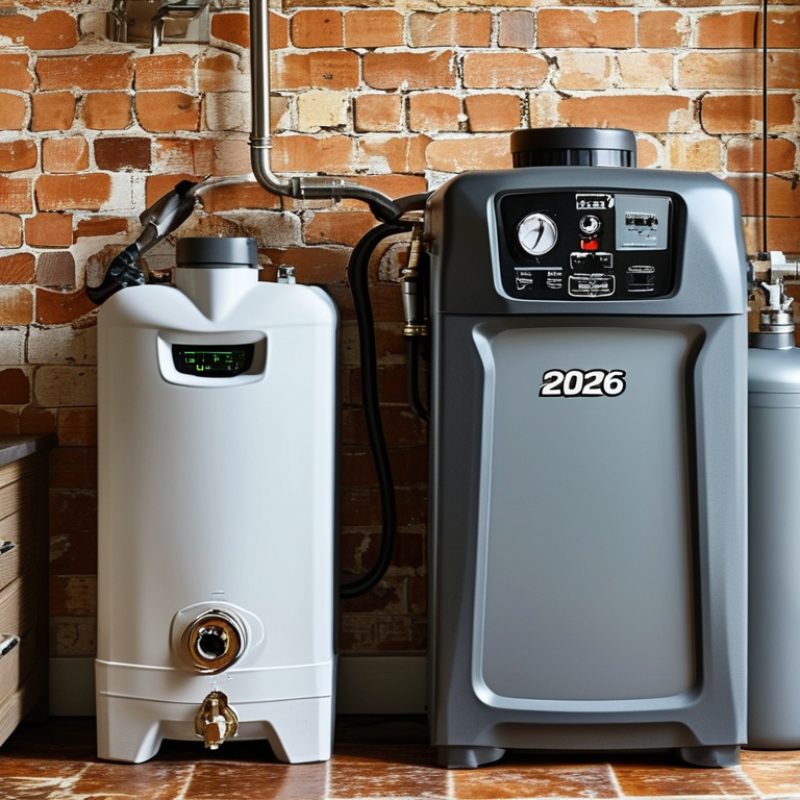
Understanding Home Water Pressure Boosters
Home water pressure boosters are essential for ensuring consistent water flow throughout your home. These devices increase water pressure, making it easier to use multiple fixtures simultaneously. Many homes experience low water pressure due to a variety of factors. Plumping layouts, municipal supply issues, and pipe size can all contribute to this challenge.
Before investing in a water pressure booster, it's wise to assess your water pressure. A simple pressure gauge can determine your current levels. You should aim for a pressure between 40 and 60 psi for optimal performance. Maintaining your plumbing system is key to the efficiency of any booster. Regular checks can prevent problems that lead to further pressure drops.
Consider where you will install the booster. Location matters when it comes to minimizing energy loss. Ideally, place it close to where water enters your home. Also, reflect on the sound levels. Some boosters can be quite loud, potentially disturbing your household routine.
Stay informed about your local water regulations. Sometimes, high water pressure can lead to leaks and extra costs. Make sure to choose a booster that fits your specific needs without overspending. Always consult with a professional if you're unsure about your requirements.
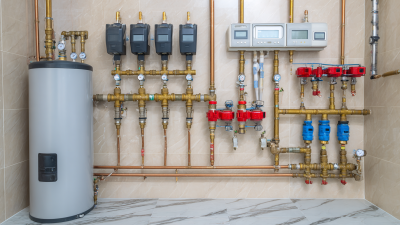
When selecting a water pressure booster, several key factors come into play. Understanding your home's water system is crucial. Low water pressure can stem from various sources, including the municipal supply or internal plumbing conditions. According to the American Society of Plumbing Engineers, nearly 8% of residential areas experience inadequate water pressure, often below the recommended 40-60 psi range. Evaluating your needs is essential, especially in multi-story homes where water must travel upward.
Next, consider the pump type. There are positive displacement pumps and centrifugal pumps. Each has its pros and cons based on your specific needs. Positive displacement pumps tend to be more efficient for lower flow rates, while centrifugal pumps are better for high-flow applications. Additionally, noise levels and energy consumption are important. A report from the Water Efficiency organization revealed that a quiet pump can save 20% more energy compared to noisier models.
Installation requirements should not be overlooked. Some boosters need professional installation, while others can be DIY. Compatibility with existing plumbing systems also matters. Measurements of pipe diameter and flow rates are often overlooked, yet they directly impact performance. It's easy to focus on brand features but neglect these vital details. This could lead to purchasing the wrong system, which affects efficiency and functionality.
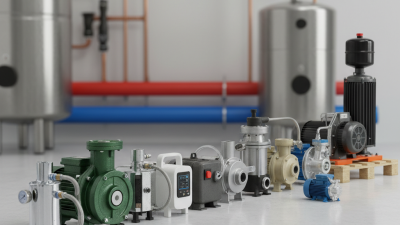
When considering water pressure boosters for residential use, it's crucial to understand the various types available. Centrifugal pumps are common for boosting pressure in homes. They are effective for multiple fixtures at once. Their design allows for a steady flow of water, making them a reliable choice. However, they may not handle high pressure requirements well.
Another option is the positive displacement pump. These pumps excel at increasing pressure for specific outlets. They deliver a consistent flow, even when demand fluctuates. This makes them ideal for single-use applications like showers or irrigation systems. However, their energy efficiency can sometimes be a concern.
Choosing the right booster also depends on your home's layout and water system. A well-placed system can optimize performance. Homeowners should assess flow rates and pressure needs accurately. Many make the mistake of underestimating their requirements, leading to inadequate pressure. Research is key to navigating these options wisely.
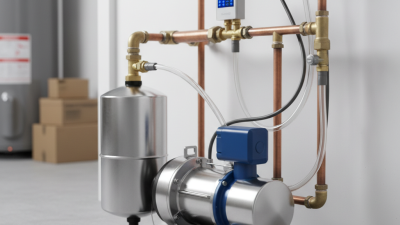
Installing a home water pressure booster can greatly enhance your water flow, making daily tasks easier. However, the installation process may seem daunting. Understanding your plumbing system is crucial. Locate the main water line and ensure you know its dimensions. This will help you choose the right booster for your needs.
Before installation, make sure to gather all necessary tools. Having pipe wrenches and Teflon tape on hand can prevent delays. When mounting the booster, check for level placement. An uneven installation can lead to vibrations that may damage your system over time.
Consider the power supply as well. Ensure that it meets the booster’s requirements. Double-check connections to prevent leaks. Small mistakes can lead to larger issues down the road. Testing the system after installation can reveal any potential problems before they escalate. Address leaks or unusual noises promptly to maintain efficiency.
| Feature | Description |
|---|---|
| Water Pressure Increase | Boosts water pressure by up to 50 PSI. |
| Flow Rate | Delivers a flow rate of 3-7 GPM, suitable for most fixtures. |
| Motor Type | Permanent magnet motor for enhanced energy efficiency. |
| Power Supply | 110-120V AC power supply. |
| Installation Complexity | Moderately easy; basic plumbing knowledge required. |
| Warranty | Typically comes with a 2-5 year warranty. |
| Operating Noise Level | Operates quietly under 60 dB. |
| Maintenance | Low maintenance; periodic inspection recommended. |
Maintaining a home water pressure booster can enhance its efficiency and longevity. Regular maintenance can help prevent common issues. It's important to inspect the system for leaks. A small leak can lead to larger problems over time. Check all connections and fittings regularly.
Another common issue is pressure fluctuations. These can result from a malfunctioning pressure switch. Testing the switch should be part of your routine. You might find that tuning the settings can stabilize the pressure effectively. Remember to monitor the pressure gauge consistently. If it shows significant inconsistencies, further investigation is necessary.
The system can also face noise issues. Gurgling or banging sounds indicate air in the system. Bleeding the air from the pipes can resolve this. However, if noise persists, it could mean the pump is struggling. Re-evaluating your booster’s capacity may be necessary. Inconsistent performance invites reflection on whether the system meets your home’s demands. Regular checks and adjustments will keep your water pressure booster functioning optimally.
sale@harbertpump.com,
sale@harbertpump.com