How to Choose a Home Water Pressure Booster
Choosing a home water pressure booster begins with understanding the problem, not buying the strongest pump available. Weak shower flow may come from clogged aerators, undersized pipes, a failing pressure regulator, or limited municipal supply. A booster cannot repair every cause. My early assumption was wrong: higher pressure did not always mean better performance.
A practical assessment starts at several fixtures. Run the kitchen tap, flush a toilet, and measure pressure near the main supply line. Note the reading when no water flows, then record it during peak use. A shower that falls from a steady stream to a thin trickle reveals useful information. Pipe size, household demand, storage tanks, and available electrical power all influence the correct home water pressure booster.
Reliable selection also depends on manufacturer specifications and installation quality. Check flow rate, maximum pressure, noise level, connection size, and whether the unit supports automatic activation. A pressure gauge and isolation valves make future inspections easier. Some homes need a whole-house system, while others only need targeted support for an upper-floor bathroom. The largest model may waste energy and create uncomfortable pressure surges. It may also stress older plumbing.
Professional advice matters when pressure readings fluctuate sharply or pipes show corrosion. A qualified plumber can confirm system compatibility and local installation requirements. Product reviews help, but verified specifications and warranty terms deserve greater trust. Small details matter here. The best choice delivers stable flow, controlled pressure, and dependable service without turning every tap into a surprise.
Understanding When a Home Water Pressure Booster Is Needed
How to Choose a Home Water Pressure Booster
Understanding When a Home Water Pressure Booster Is Needed
A home water pressure booster may help when showers weaken, taps sputter, or upper-floor fixtures fill slowly. However, low pressure does not always mean you need a pump. A clogged filter, partly closed valve, leaking pipe, or faulty pressure regulator can create similar symptoms. Check several fixtures at different times. If pressure drops only during busy morning hours, the problem may come from the local supply rather than your plumbing.
Tips: Attach a pressure gauge to an outdoor faucet and record readings when water is unused and running. Many homes feel comfortable near 40–60 psi, but equipment requirements can differ. Pressure below this range may justify further investigation. Also, ask whether your home has a storage tank, narrow supply pipe, or significant height between floors. Each detail affects booster sizing.
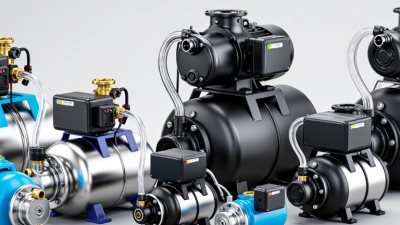
Choose a booster based on flow demand, not pressure alone. A household with two showers and a washing machine needs more capacity than a small apartment. The pump should provide steady pressure without excessive cycling or noise. An expansion vessel and dry-run protection may improve reliability. Installation is not merely connecting a pump. Incorrect settings can stress pipes or cause uneven flow. A qualified plumber should inspect the system, especially when the cause remains uncertain. In some cases, repairing the restriction is the better answer. A booster is not always necessary.
How to Choose a Home Water Pressure Booster
Understanding when a home water pressure booster is needed
A home water pressure booster is commonly considered when static pressure at the main inlet remains below
40 psi, especially when showers, faucets, or appliances have weak flow. A pressure range of
40–60 psi is generally suitable for normal residential use. Sustained pressure above
80 psi usually indicates a need for pressure regulation rather than a booster.
Checking Your Home’s Water Pressure and Plumbing Conditions
Before choosing a home water pressure booster, measure the pressure you already have. Attach a reliable gauge to an outdoor hose connection or washing-machine tap. Record the static pressure with every fixture closed. Then open a shower or faucet and note the working pressure. A large drop suggests restricted piping, a failing pressure-reducing valve, or an undersized supply line.
Many residential systems operate around 40–60 psi. In the United States, the International Plumbing Code limits building supply pressure to 80 psi without pressure regulation. Excessive pressure can damage valves, toilets, flexible connectors, and appliances. Low pressure is not always a pump problem. Old galvanized pipes may contain heavy internal deposits. A partly closed shutoff valve can create the same weak flow. I have seen pressure readings appear normal until two fixtures ran together.
Inspect for leaks, corrosion, sediment, and unusual pipe noise. EPA WaterSense reports that household leaks can waste more than 10,000 gallons of water annually, so a hidden leak deserves attention before adding equipment. Check the meter when all water is off. Movement may indicate leakage. Also ask the local utility about neighborhood pressure and supply interruptions. A booster cannot correct a blocked pipe or an inadequate incoming supply. That assumption is easy to make, and often wrong. Keep the gauge readings, fixture conditions, and inspection notes together before selecting pump capacity.
Selecting the Right Booster Size, Controls, and Energy Features
Choosing a home water pressure booster begins with demand, not a guessed horsepower rating. Measure pressure at a quiet tap and during peak use, then record the flow from showers, faucets, and appliances. Add those figures carefully. A booster that is too small will disappoint; an oversized unit may cycle frequently and waste electricity. Elevation and long, narrow pipes also reduce available pressure. Measure twice.
Controls deserve equal attention.
Variable-speed control can adjust motor output as several fixtures open or close, instead of running at one harsh setting. A pressure sensor, soft start, dry-run protection, and sleep mode improve comfort and equipment life. Keep the pressure moderate. Excessive pressure can stress valves, joints, and older pipes.
Energy performance is not a minor feature. The U.S. Department of Energy’s Energy Saver guidance estimates water heating uses about 18% of household energy. A booster does not heat water, but its motor still adds demand. Choose efficient operation, low standby consumption, and clear pressure settings. EPA WaterSense reports that household leaks can waste more than 10,000 gallons yearly. Check leaks before installation. Otherwise, the booster may hide a plumbing problem and run unnecessarily. ASPE plumbing guidance also supports sizing from peak flow and friction loss, rather than relying only on pipe diameter. In practice, a simple calculation can miss real-world habits, such as simultaneous showers or a weak municipal supply. Recheck those assumptions.
Planning Installation, Maintenance, Safety, and Long-Term Costs
Choosing a home water pressure booster starts with measurement, not guesswork.
Record static pressure with a hose-thread gauge, then test again while a shower or tap runs. A large drop may indicate undersized pipes, a clogged filter, or a failing pressure regulator. The U.S. Environmental Protection Agency’s WaterSense program estimates household leaks waste nearly one trillion gallons of water annually in the United States. A booster cannot repair hidden leaks.
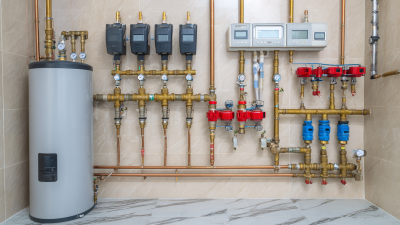
Installation planning should include pipe size, available electrical capacity, drainage, noise, and access for servicing.
Use a qualified plumber to confirm backflow protection, isolation valves, pressure limits, and local code requirements. The pump should not operate dry. That mistake is easy to make. A pressure tank or sensor can reduce short cycling, but incorrect settings may create hammering and unstable flow. I would also leave enough space to replace the strainer without removing nearby cabinets.
Maintenance is part of the long-term cost.
Inspect connections for dampness, clean the inlet filter, and check pressure readings several times yearly. The U.S. Department of Energy reports that water heating represents about 18% of household energy use. Higher flow can increase hot-water consumption, even when comfort improves. Compare purchase, installation, electricity, filter replacement, and possible repair costs over five to ten years. A cheaper unit may become expensive if it runs continuously. My practical reservation is simple: perfect pressure is rarely necessary; dependable, moderate pressure usually offers better value.