Top 10 Pressure Booster Pumps in China for Global Buyers?
When it comes to boosting water pressure, pressure booster pumps play a crucial role. These devices enhance water flow in residential and industrial settings. As global buyers search for reliable solutions, China's market offers diverse options. This article highlights the top ten pressure booster pumps available, emphasizing quality and performance.
Selecting the right pressure booster pump can be challenging. With numerous brands and models, potential buyers might feel overwhelmed. Each pump comes with unique features and specifications. Understanding these details is essential for making informed choices.
Additionally, buyers should consider durability and efficiency. Some pumps may not meet specific needs, leading to dissatisfaction. Therefore, thorough research is vital. By exploring the top picks, buyers will gain insights into the best options available in China. Ultimately, this knowledge can lead to better purchasing decisions and improved water management solutions.
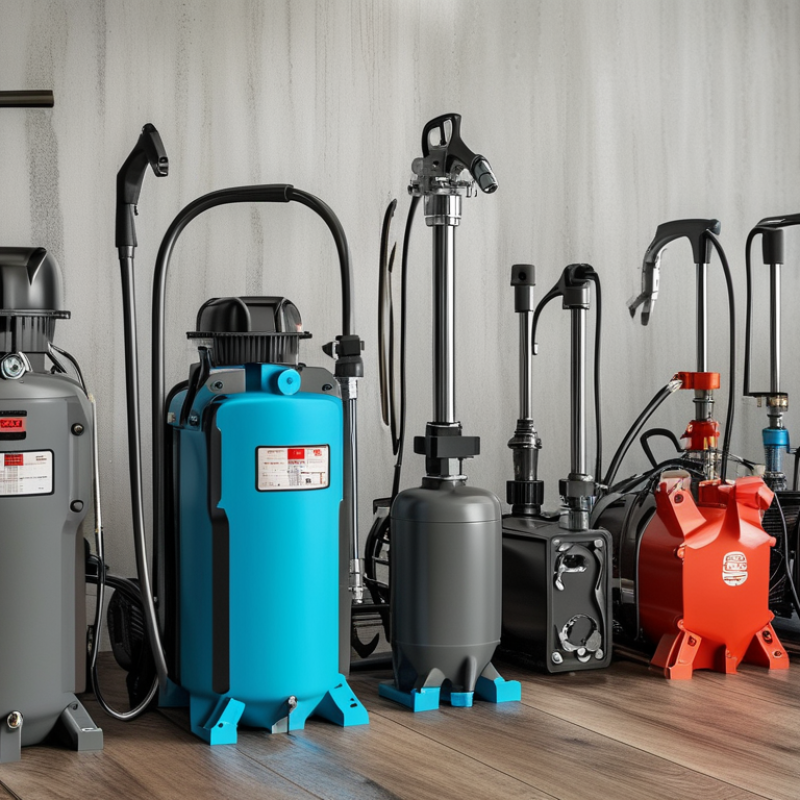
Overview of Pressure Booster Pumps and Their Importance
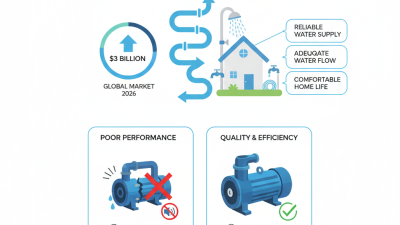
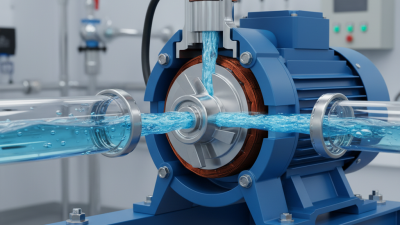
Pressure booster pumps play a vital role in ensuring stable and efficient water supply in various applications.
These devices enhance water pressure, making them essential in residential, commercial, and industrial settings.
They are particularly beneficial in high-rise buildings, where water needs to reach significant heights.
The right booster pump enhances water flow, improves efficiency, and ultimately saves costs.
Choosing the optimal pressure booster pump requires understanding specific needs.
Factors like flow rate, pressure requirements, and the system's layout are crucial.
Users often overlook the importance of proper installation and maintenance. Frequent checks can prevent failures and extend the pump's lifespan.
Users might feel overwhelmed by the choices available, leading to occasional misinformed decisions.
It's also important to consider energy efficiency, as some pumps consume more power than others.
When exploring pressure booster pump options, it’s essential to consult reliable sources.
However, sometimes even reputable sources can have discrepancies. Balancing multiple factors can be challenging,
and every situation is unique. Engaging with professionals can help navigate complex choices,
but reliance on expertise can unintentionally lead to complacency.
Buyers should remain vigilant and informed to make the best decisions for their specific needs.
Key Features to Consider When Choosing a Pressure Booster Pump
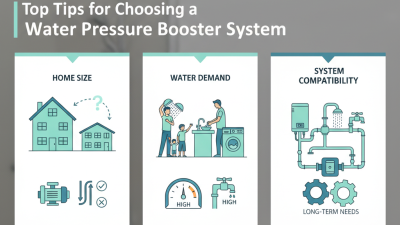
When selecting a pressure booster pump, several key features demand attention. System compatibility is crucial; ensure the pump aligns with your workflow. The energy efficiency of a pump can significantly impact operational costs. Research indicates that pumps with a high-efficiency rating can reduce energy consumption by 20-40%. This is a major consideration for long-term use.
Another important factor is flow rate. A pump must meet the specific flow demands of your application. Look at the maximum pressure range as well. Industry reports reveal that a well-chosen pump can enhance system efficiency by 30%. Yet, not all systems may benefit from high-pressure pumps due to potential water hammer issues.
Tips: Always review warranties and customer support options. The durability of materials and design can affect pump lifespan. Evaluate where the pump will be installed to prevent complications during usage. Seek out reviews and expert recommendations to ensure reliability over time. Trustworthy performance data will help make an informed decision.
Top 10 Pressure Booster Pumps in China for Global Buyers
| Model |
Max Flow Rate (L/min) |
Max Pressure (Bar) |
Power (kW) |
Material |
Application |
| Model A |
100 |
5 |
1.5 |
Cast Iron |
Residential |
| Model B |
150 |
6 |
2.2 |
Stainless Steel |
Commercial |
| Model C |
200 |
8 |
3.0 |
Plastic |
Irrigation |
| Model D |
120 |
7 |
1.8 |
Bronze |
Agriculture |
| Model E |
180 |
9 |
2.5 |
Aluminum |
Industrial |
Top 10 Pressure Booster Pumps: The Leading Brands in China
When it comes to pressure booster pumps, China stands out for its diverse range of products. Many manufacturers focus on innovation and quality. Buyers globally seek reliable options that ensure efficiency and durability. These pumps often play crucial roles in various applications, from residential water systems to industrial processes.
Many brands invest in research and development to improve pump performance. Features like energy efficiency and noise reduction are becoming essential. Some pumps promise high pressure levels, but not all meet expectations. Reliability varies widely, and potential buyers need to scrutinize each option carefully. Some designs are user-friendly, while others require technical knowledge for proper operation.
In exploring the top choices, consider factors beyond just price. Performance, maintenance, and support are critical. Customers sometimes overlook the importance of these elements. Effective communication with suppliers can lead to better decisions. Lastly, customer reviews can be valuable sources of insight, helping buyers avoid common pitfalls in their selections.
Comparative Analysis of Performance Metrics for Each Pump
When evaluating pressure booster pumps in China, performance metrics play a critical role. Buyers should examine flow rates, energy efficiency, and noise levels. Flow rate determines how much water the pump can move in a given time. A higher flow rate means better performance, especially in high-demand situations.
Energy efficiency is equally important. Pumps that consume less power while providing the same output save money over time.
Noise levels can often be overlooked but are essential in residential areas. Quiet operation is preferable, as is reliability. In the long run, a pump that operates smoothly with minimal maintenance is a wise investment.
Some models may excel in one area but fall short in another. It's crucial for buyers to weigh these metrics carefully against their specific needs. Conducting hands-on assessments can flag potential shortcomings.
Research is key to making informed choices. Adjusting expectations based on practical experiences can lead to better outcomes. This analytical approach underscores the importance of understanding the specific requirements for various applications.
Guide to Importing Pressure Booster Pumps from China for Global Buyers
When considering importing pressure booster pumps from China, it’s essential to understand the market dynamics. In recent years, the demand for these pumps has surged, particularly in sectors like construction and agriculture. According to industry reports, the global pressure booster pump market is projected to grow by over 5% annually. This growth reflects the increasing need for efficient water management systems.
Navigating the import process can be complex. Buyers should conduct thorough research on manufacturers in China. Look for companies with a strong export history and positive customer reviews. Reliable suppliers often undergo rigorous quality checks. Engage with industry experts or trade consultants for essential insights. This can help mitigate risks and ensure a smoother transaction process.
Quality assurance is another critical factor. The Chinese market offers various certifications, including ISO and CE. These indicate compliance with international standards. However, not all suppliers will have the necessary certifications, so buyers must verify these claims. Engaging a local partner may assist in audits and quality control. Building trust with suppliers is vital for long-term relationships, but it requires patience and clear communication.