In the ever-evolving landscape of home water systems, the choice of a domestic water pressure pump is crucial. Reports indicate that the global domestic pump market is projected to reach $32 billion by 2026, driven by increasing demand for efficient water management solutions. Industry expert Dr. Sarah Thompson emphasizes, “Choosing the right domestic water pressure pump can make or break your home’s water supply.” Her insights reflect the growing awareness among homeowners of the importance of reliability and efficiency.
Recent data reveals that many consumers remain unaware of the varying types and specifications of domestic water pressure pumps. While some pumps boast high pressure, they may not provide the best energy efficiency. It's essential to balance these factors. Many homeowners still face issues with pump noise and vibration. Such experiences highlight the need for careful selection and more industry education.
Recognizing these challenges, this article explores the top domestic water pressure pump options for 2026. We aim to provide clarity and guidance, promoting informed decisions. Understanding the essential features and market trends helps homeowners select the best pump to meet their needs effectively. Your water system deserves attention and expertise.
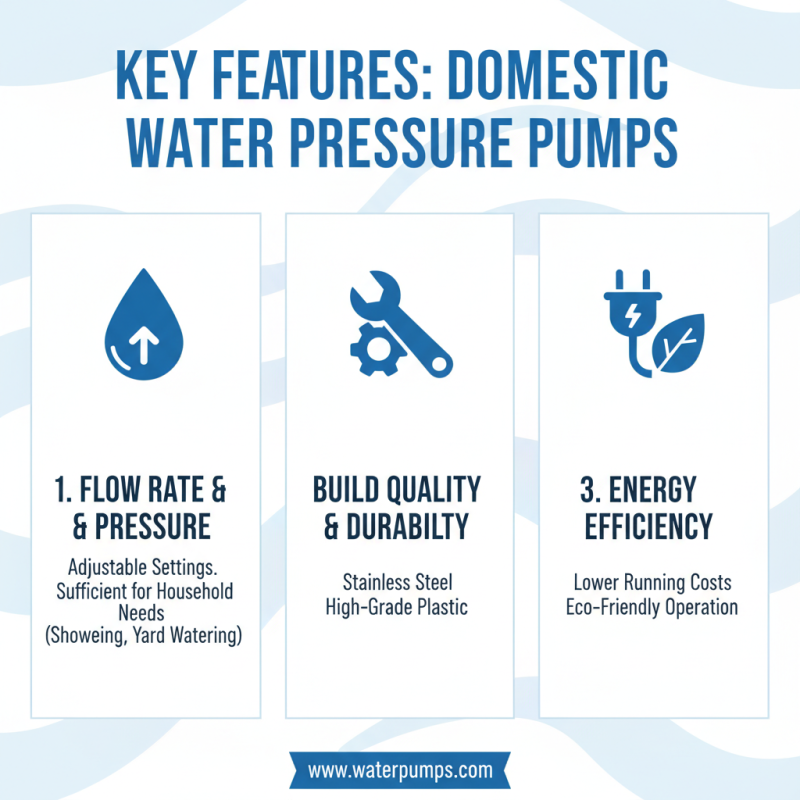
When selecting a domestic water pressure pump, several key features should stand out. The pump's flow rate is critical. Look for models that provide sufficient pressure for your household's needs. A pump with adjustable flow settings offers versatility for various tasks, from showering to yard watering. Also consider the pump's build quality. Materials like stainless steel or high-grade plastic enhance durability.
Noise level is another essential factor. A quieter pump improves comfort, especially in smaller homes. Many modern pumps now come equipped with sound-dampening technologies. Energy efficiency is worth noting too. An efficient pump can save on utility bills, making it a wise investment.
Lastly, ease of maintenance affects long-term reliability. Choose pumps with user-friendly designs that simplify routine checks. While many units claim low upkeep, some may require more attention than expected. It's important to read reviews and understand maintenance needs to avoid surprises. Always assess your space and needs before finalizing a choice.
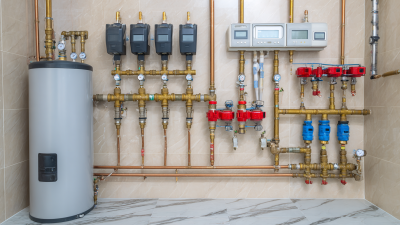
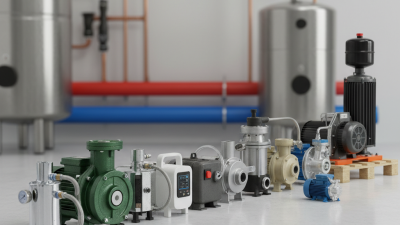
When selecting a domestic water pressure pump in 2026, several types stand out. Submersible pumps are among the most popular. They are designed to be submerged in water sources. This makes them excellent for deep wells or underground solutions. Their design minimizes noise and can handle varying water levels effectively.
Another option is centrifugal pumps. These work by converting rotational energy into water flow. They are often used in residential settings for boosting water pressure. Homeowners appreciate their efficiency and ability to handle high flow rates. However, they may require regular maintenance due to wear and tear.
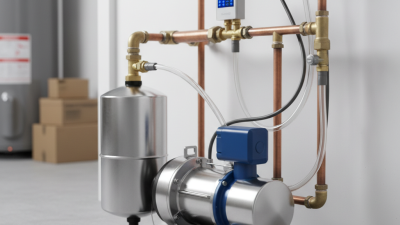
Booster pumps are also a key player in this market. They enhance the existing water pressure in homes. They can address issues related to low water pressure effectively. Yet, it’s important to choose one that matches your home's specific needs. Choosing the right pump can take time and careful consideration. Each type has its own pros and cons. Understanding these is crucial for making an informed decision.
When choosing a domestic water pressure pump, knowing the various brands and models is crucial. Several brands offer reliable options that cater to different needs. Performance and durability are essential attributes to consider. A good pump provides consistent water flow and withstands regular usage. Your choice should depend on the specific requirements of your household.
Some models stand out for their innovative designs and advanced technology. Look for pumps with efficient energy consumption. This feature not only saves money but also reduces environmental impact. User reviews can provide insight into real-life performance. However, some models may not meet expectations, leading to disappointment. It’s essential to research thoroughly to avoid such pitfalls.
Moreover, affordability often plays a significant role in decision-making. Consider the long-term benefits of investing in a quality pump. While cheaper options may save you money initially, they might not offer durability. Reflect on your previous purchasing experiences. This reflection helps guide your future choices. Each pump varies in functionality, energy use, and maintenance needs. Choose wisely to find the perfect fit for your home.
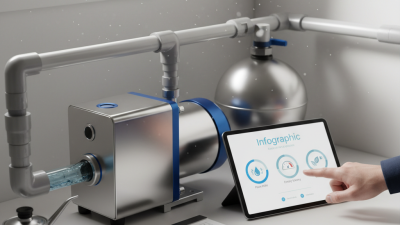
When installing a domestic water pressure pump, homeowners should prioritize proper placement. Choose a dry and well-ventilated area to prevent moisture damage. Ensure the pump is easily accessible for maintenance. This makes future servicing straightforward and efficient. A solid foundation is essential. Use a platform or pad that can support the pump's weight and minimize vibrations.
Regular maintenance keeps your pump running smoothly. Check the connections and hoses for leaks. Replace any worn parts immediately. Listen for unusual noises when the pump operates. These could indicate potential issues. Perform routine inspections every few months. Cleaning the pump helps prevent mineral buildup. This buildup can affect performance over time.
Be mindful that not all installations go as planned. Some homeowners face setbacks during setup. A complicated plumbing system can complicate the process. Take time to assess your home's layout before starting. Consulting with a professional can provide valuable insights. Don't hesitate to seek help when needed; it's better to ensure a job done well.
When choosing a domestic water pressure pump, performance and efficiency are critical factors. Different models can exhibit varying flow rates. Some pumps might deliver strong pressure but consume more energy. It's important to analyze both aspects during your selection process.
Efficiency ratings indicate how effectively a pump converts energy into water pressure. A high efficiency rating usually means lower energy costs. However, achieving optimal efficiency may require balancing cost and performance. A pump with a high initial cost might lead to savings in energy bills over time.
Consider the material and design of the pump as well. Durable materials can mean a longer lifespan. However, they might increase the purchase price. Reflect on the return on investment. Weigh short-term costs against long-term benefits. It’s easy to focus solely on immediate performance but overlooking efficiency can prove costly down the line.
| Pump Type | Flow Rate (GPM) | Max Pressure (PSI) | Power Consumption (HP) | Efficiency Rating |
|---|---|---|---|---|
| Submersible Pump | 15 | 60 | 1.5 | 85% |
| Centrifugal Pump | 25 | 75 | 2.0 | 90% |
| Positive Displacement Pump | 10 | 50 | 1.0 | 80% |
| Inline Pump | 20 | 65 | 1.5 | 88% |
| Jet Pump | 18 | 70 | 1.5 | 82% |
sale@harbertpump.com,
sale@harbertpump.com