Choosing the right suction pump is rarely as simple as comparing price and motor power. The pump must match the fluid, flow rate, vacuum level, operating time, and working environment. A unit designed for clear water may struggle with thick liquids, suspended particles, or frequent cleaning. Small differences matter. A clogged inlet can quickly reduce performance.
This guide presents ten practical tips for evaluating a suction pump with greater confidence. It considers capacity, materials, noise, portability, maintenance, controls, and safety features. Technical specifications should come from the manufacturer, while real-world testing reveals how the pump behaves under pressure. Check the hose connection carefully. Confirm that replacement parts are available. Review the operating manual before purchase.
A perfect choice rarely exists. That is worth remembering. Many buyers focus on maximum suction and overlook duty cycle or energy use. Others choose a compact model that cannot handle continuous operation. These mistakes can increase downtime and maintenance costs. A reliable selection process compares the pump with actual tasks, not imagined performance. Product certifications, documented testing, and supplier support also deserve attention. When the application involves sensitive materials or professional equipment, qualified technicians should verify compatibility. This article offers a practical framework, but conditions vary between workplaces. Measure twice. Choose once.

A suction pump should be selected from its real duty, not its advertised maximum vacuum. Start by defining the medium: air, water, oil, foam, sludge, or corrosive vapor. Record the required flow rate, vacuum level, temperature, viscosity, and particle size. A pump handling clean air may fail quickly when exposed to wet liquids or abrasive solids.
Tip 1: Write the duty cycle clearly. Is the pump used for ten minutes, eight hours, or continuously? The U.S. Department of Energy reports that pumping systems can consume 25% to 50% of electricity in some industrial facilities. Incorrect sizing can increase energy waste, heat, and maintenance. A smaller pump is not always more efficient.
Tip 2: Measure conditions at the installation point. Pipe length, bends, filters, elevation, and leaks can reduce performance. In medical applications, review ISO 10079-1 requirements and verify the intended suction range, overflow protection, and cleaning process. In field testing, operators often discover that a blocked filter—not a weak pump—causes poor suction. That detail is easy to miss.
Check whether the pump must tolerate moisture, dust, chemicals, or intermittent flow. Confirm materials, seal compatibility, noise limits, and available power. Manufacturer curves are useful, but they may reflect ideal laboratory conditions. Your operating environment will be less perfect. Recheck assumptions before purchase.
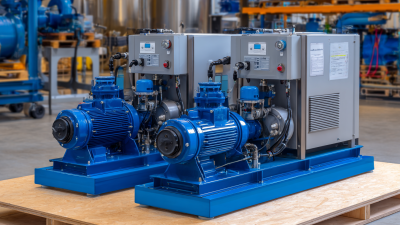
Choosing the right suction pump starts with matching pump type to the task. Diaphragm pumps suit intermittent clinical use because they tolerate moisture. Rotary vane pumps deliver steadier vacuum, but contaminated vapour can shorten service life. Venturi systems have no moving parts, yet they consume compressed air continuously. ISO 10079-1:2015 separates medical suction into low, medium, and high vacuum ranges. Medium vacuum generally spans 20–60 kPa below atmospheric pressure. High-flow models commonly exceed 20 L/min. These figures are useful, but they are not universal substitutes for the manufacturer’s tested curve.
Flow rate should be checked at the collection canister, not only at the pump outlet. Narrow tubing, bends, float valves, and wet filters can reduce real performance. A pump rated at 30 L/min may deliver far less through a long, partially blocked line. Vacuum stability matters too. Watch the gauge while aspirating simulated fluid, then repeat the test with a nearly full canister. Small details reveal large weaknesses. The World Health Organization’s 2022 Global Report on Infection Prevention and Control reports healthcare-associated infections in about 7% of acute-care patients in high-income countries and 15% in low- and middle-income countries. Overflow protection, washable components, bacterial filtration, and easy disassembly therefore deserve equal attention. I would not choose the strongest pump automatically. Excessive vacuum can damage delicate tissue, increase noise, and complicate control. Recheck the specification after installation; real systems often perform differently.
Choosing the right suction pump starts with its materials, not its advertised power. The fluid path should tolerate repeated cleaning, disinfectants, and moisture. Medical-grade plastics or stainless steel can reduce cracking and corrosion. Check whether tubing, jars, seals, and filters are autoclavable or disposable.
Tip 1: Match the pump to the fluid. Thick secretions may require wider tubing and stronger airflow. A laboratory vacuum rating does not automatically suit clinical suction. ISO 10079-1 classifies medical suction equipment by vacuum performance and flow, so verify both values. Compatibility also includes electricity, battery runtime, connectors, and collection capacity. A small container may overflow quickly during emergency use. That detail is easy to miss.
Tip 2: Treat infection control as a design test. CDC surveillance reports that about one in 31 hospital patients has at least one healthcare-associated infection on a given day. Smooth surfaces, closed containers, overflow protection, and replaceable bacterial filters can help limit contamination. Confirm the pump meets IEC 60601-1 electrical safety requirements and has clear alarms for blockage, full containers, and low battery.
Tip 3: Test the actual setup before purchase. Use the intended tubing, filter, and canister together. A pump can perform well alone but fail after accessories are added. I would also review cleaning instructions with staff. They may reveal an impractical step. Perfect specifications cannot fix poor daily handling.
10 Tips for Choosing the Right Suction Pump
Evaluate Power Sources, Portability, Maintenance, and Noise
Choosing a suction pump starts with its power source, not its appearance. Mains-powered models suit fixed rooms with reliable outlets. Battery-powered units offer flexibility during transport or power interruptions. Check battery runtime under actual suction settings. Marketing figures may reflect ideal conditions.
Portability matters when equipment moves between rooms, vehicles, or care areas. Look for a balanced handle, secure tubing storage, and wheels that roll smoothly over thresholds. A compact design helps, but very small units may sacrifice collection capacity. I once underestimated this issue and emptied the container repeatedly during a busy shift. That was inconvenient. It also interrupted patient care.
Maintenance affects reliability every day. Choose a pump with accessible filters, washable parts, and clearly marked connections. Confirm replacement schedules in the instruction manual. Staff should clean the collection container after each use and inspect tubing for cracks. Noise deserves equal attention. A loud motor can disturb sleep, raise stress, and make communication difficult. Ask for the sound rating, then listen to the pump in a quiet room if possible. Sound changes under load. This detail is often overlooked. Consult qualified healthcare personnel when selecting settings or accessories, especially for home use. No single pump fits every situation, and convenience should never replace verified performance.
10 Tips for Choosing the Right Suction Pump
Assess reliability before comparing price. A pump should start smoothly, maintain stable suction, and tolerate repeated cycles. Check its duty history, seal design, bearing life, vibration limits, and maintenance records. Ask for tested performance curves, not only catalogue claims. The U.S. Department of Energy estimates that pumping systems consume about 25% of industrial electricity. Small efficiency losses can therefore become expensive over several years. Review power demand at the actual operating point, not at the pump’s best-looking rating.
Total cost includes energy, spare parts, labor, installation, and planned downtime. Request a five-year cost model with clear assumptions. Include electricity tariffs and expected operating hours. A cheaper pump may require more frequent seal replacement. That is not always a bargain. Consider lifecycle cost standards and use the Hydraulic Institute’s guidance when checking efficiency, NPSH, and operating margins. Leave room for uncertainty. Real systems rarely behave like clean laboratory curves.
Supplier support is part of reliability. Confirm response times, technician availability, spare-parts stock, training, and warranty exclusions. Ask how failures are investigated and documented. The 2024 Plant Engineering maintenance benchmarking report highlights the continuing importance of preventive maintenance, asset records, and skilled personnel. Those details matter during a 2 a.m. failure. Request references from facilities with similar fluids, temperatures, and duty cycles. Then test the supplier with difficult questions. A vague answer today may become a long shutdown tomorrow.
Assess reliability, total cost, performance, and supplier support before making a purchasing decision.
Use this suggested 100-point evaluation framework to compare suction pumps objectively. Reliability and total cost receive the highest weighting because downtime, maintenance, energy use, consumables, and replacement parts strongly influence long-term ownership value. Confirm each score with documented test results, warranty terms, service response times, and operating-cost estimates.
sale@harbertpump.com,
sale@harbertpump.com