Suction pumps play a crucial role in various industries. They are essential for moving fluids, with numerous designs available. Understanding these types is vital for optimal application. This guide explores the top suction pump types for 2026 and their specific uses.
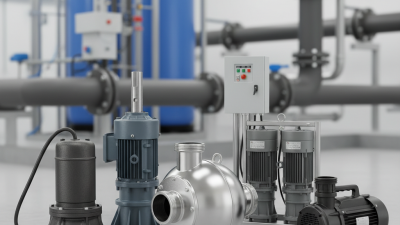
Different suction pump designs cater to unique needs. For example, diaphragm pumps excel in handling viscous materials. Centrifugal pumps are popular for water supply systems. Choosing the right type requires expertise.
While many pumps boast reliability, not all are perfect. Some may struggle with certain viscosities or pressures. It's essential to reflect on the specific application requirements. Proper selection of a suction pump enhances efficiency and performance for any project.
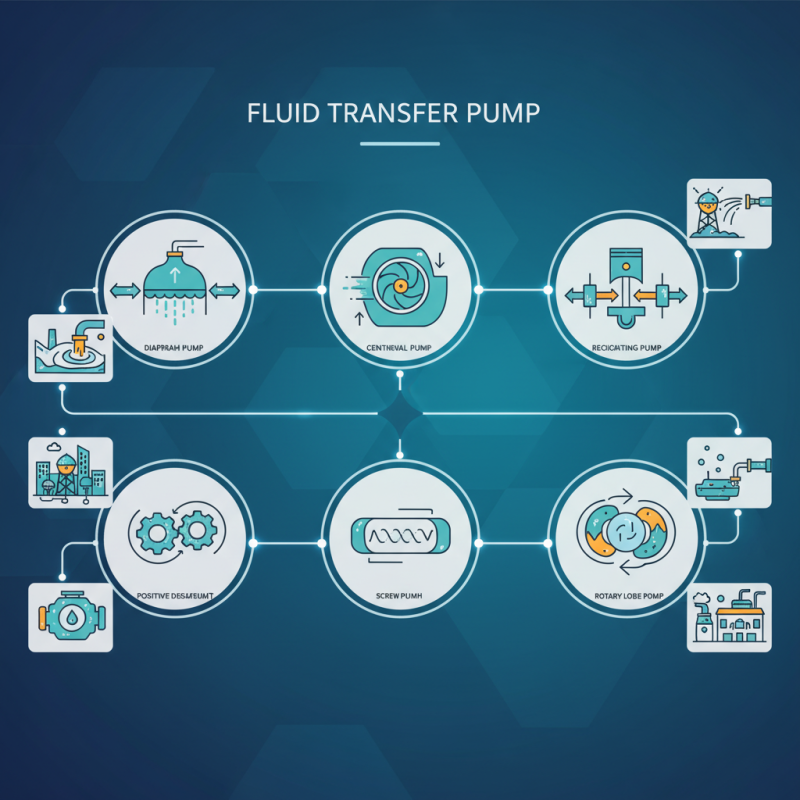
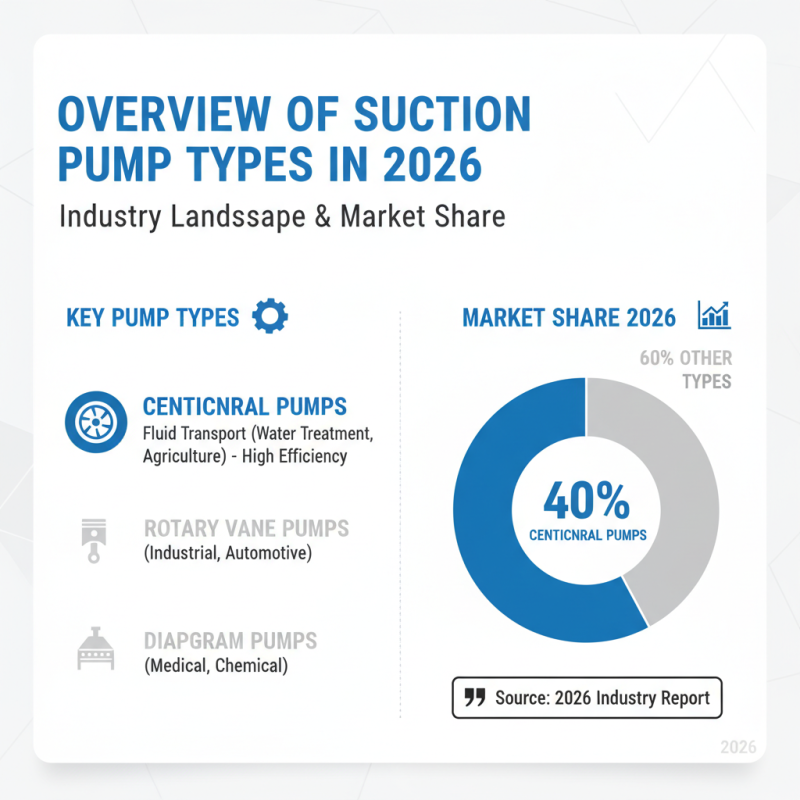
In 2026, the suction pump industry showcases various types catering to diverse applications. Centrifugal pumps dominate the market, known for their efficiency in transporting fluids. They are widely used in water treatment facilities and agricultural irrigation. According to a recent industry report, centrifugal pumps account for approximately 40% of total sales. This highlights their essential role in fluid management systems.
Positive displacement pumps are gaining traction, especially in the oil and gas sector. Their reliable performance with viscous fluids offers distinct advantages. Notably, these pumps can handle challenging conditions that centrifugal models cannot. Market analysis indicates a 15% increase in demand for this type, driven by innovations in technology. However, businesses must acknowledge that not all applications benefit equally from these pumps.
Diaphragm pumps are recognized for their superior chemical resistance. They thrive in environments where corrosion and contamination are concerns. While their versatility is commendable, limitations exist regarding flow rates and pressure ranges. A recent survey showed that 30% of users experienced performance gaps with specific chemicals. This indicates a need for continuous research and adaptation within the industry.
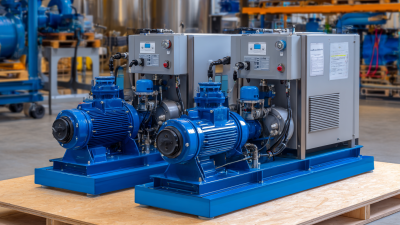
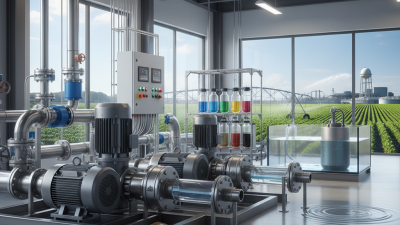
Suction pumps play a crucial role in various industries. They are designed to move fluids efficiently. Common applications include water extraction, irrigation, and chemical transfer. In agriculture, these pumps are vital for irrigating crops. They help transport water from wells or rivers to fields, ensuring optimal growth conditions.
In the construction industry, suction pumps are used for dewatering. They remove excess water from excavated sites, reducing delays in construction schedules. In the chemical sector, these pumps transfer hazardous liquids. They provide a reliable means to move corrosive substances safely. However, proper maintenance is essential to prevent leaks and spills.
The healthcare field also benefits from suction pumps. They assist in removing bodily fluids during surgeries. Yet, the reliability of these pumps can vary, leading to potential risks. Proper training and regular checks are important for medical staff. Using suction pumps effectively involves understanding both their strengths and limitations.
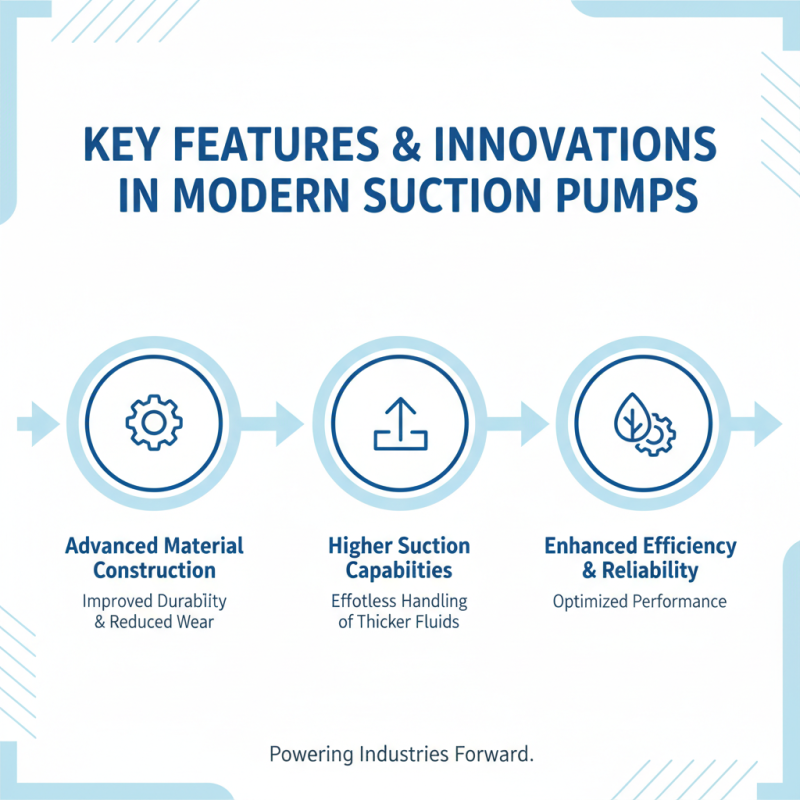
Suction pumps play an essential role in various industries. Modern suction pumps are designed with innovative features that enhance efficiency and reliability. These pumps offer advanced material construction, which improves durability and reduces wear over time. Higher suction capabilities are a hallmark of contemporary designs, allowing them to handle thicker fluids effortlessly.
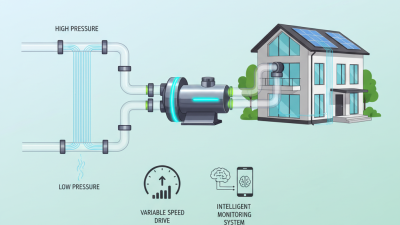
Several technologies have emerged in this field. For instance, variable speed drives optimize energy use, adjusting the pump's output according to demand. This innovation not only saves energy but also minimizes operational costs. Additionally, some models now include smart sensors, ensuring real-time performance monitoring and maintenance alerts. This leap towards automation boosts reliability while reducing human error during operations.
Tips: Always assess your specific needs before choosing a suction pump. Consider the type of fluid and operational environment. Familiarizing yourself with potential shortcomings, such as maintenance requirements, can lead to better long-term operation strategies. It’s vital to balance performance with reliability for optimal results.
In the realm of suction pumps, performance metrics are vital for assessing efficiency. A recent report by the Hydraulic Institute highlights that centrifugal pumps offer the highest efficiency rates, often exceeding 85% under optimal conditions. Meanwhile, diaphragm pumps provide excellent versatility and are suitable for viscous liquids, boasting flow rates ranging from 0.5 to 175 GPM.
Comparing noise levels, rotary vane pumps operate quietly, making them ideal for environments sensitive to sound. Their noise levels often stay below 60 dB, while gear pumps may produce more than 70 dB due to their mechanical operation. This aspect influences the choice of pump type depending on the application environment, particularly in residential or commercial settings.
However, many engineers overlook crucial performance aspects, such as the total cost of ownership. The initial investment is only part of the equation. Maintenance requirements and energy consumption can significantly impact long-term costs. An in-depth analysis by the American Society of Mechanical Engineers shows that the energy cost can constitute up to 15% of total lifecycle expenses, highlighting the importance of informed decision-making in pump selection.
The future trends in suction pump technology are set to shape multiple industries profoundly. One significant development is the integration of smart technology. This feature allows for real-time monitoring and automated adjustments. It reduces human error and enhances efficiency in fluid transfer. Sensors within pumps can detect anomalies, ensuring timely maintenance and reducing downtime.
Another emerging trend is the emphasis on sustainability. Manufacturers are increasingly producing energy-efficient pumps. These pumps consume less power and minimize environmental impact. Alongside this, the use of biodegradable materials is gaining traction. This shift addresses growing concerns about pollution and waste.
Challenges remain in implementing these innovations effectively. Not all systems adapt easily to smart technology. Furthermore, the transition to sustainable materials can increase production costs. Companies must find a balance between innovation and affordability. Ongoing research and development will be pivotal in addressing these concerns and advancing suction pump technology.
sale@harbertpump.com,
sale@harbertpump.com