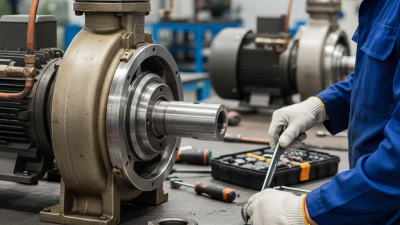
Choosing a reliable pump repair provider in China starts with the failure, not the sales pitch. A pump that rattles, leaks at the seal, or loses pressure needs a different diagnosis. Ask whether technicians inspect the impeller, shaft alignment, bearings, and seals before recommending parts. Request photographs, measurements, and a written repair scope. Details matter.
Pump authority Igor J. Karassik’s engineering work offers a useful, non-verbatim takeaway: “Repair the cause of failure, not just its visible symptom.” This is a paraphrase, not a verified direct quotation. It captures a practical point: replacing a worn seal may stop a leak, but it will not correct misalignment or abrasive wear. Buyers should compare workshop capability, technician experience, spare-parts traceability, and test records. Ask how the provider checks vibration and confirms performance after reassembly. A clear answer is more useful than a polished brochure.
Location also affects service. A factory near a major industrial hub may offer faster collection, while a remote site may need field technicians and stocked components. Confirm response times, warranty terms, and what the final report includes. Then compare those promises with references from customers using similar pumps. There is a catch: low repair cost can hide limited testing or uncertain parts. Even experienced teams can miss something. A careful provider explains its findings, flags uncertainty, and gives you evidence before the pump returns to service.
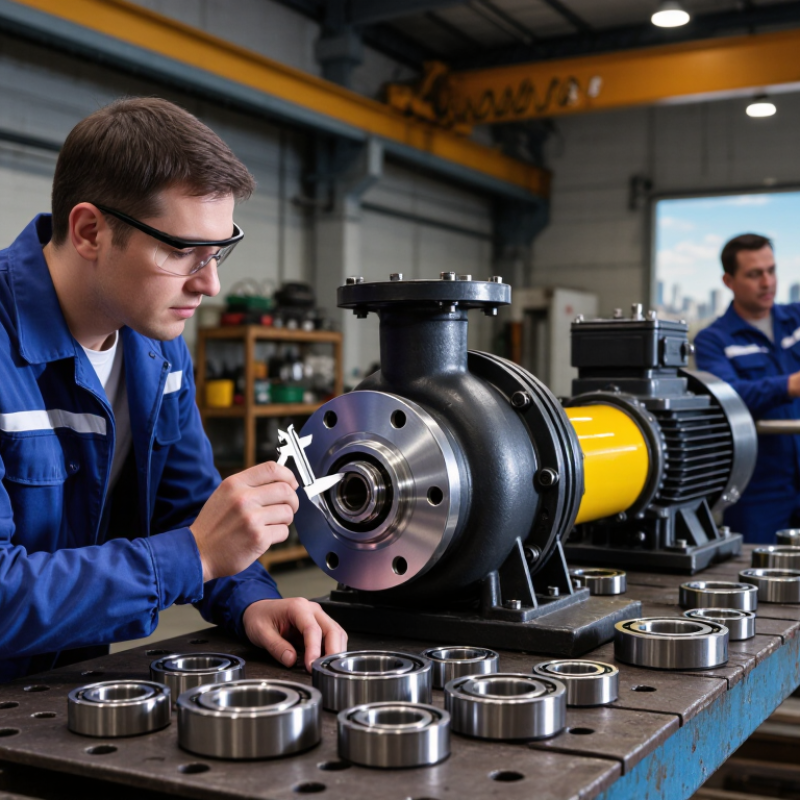
Before comparing pump repair services in China, define the actual problem. Record the pump type, fluid, operating temperature, pressure, and recent symptoms. A wastewater pump that trips after ten minutes needs a different inspection than a circulation pump with a steady seal leak. Share photos of the nameplate, piping, and damaged parts when requesting an assessment. Small details matter. If operating records are incomplete, say so; guessing can lead to the wrong repair scope.
A clear service proposal should state what technicians will inspect, repair, or replace. This may include disassembly, shaft and bearing checks, seal replacement, impeller cleaning, alignment, and a test run. Ask whether testing uses your normal fluid and operating conditions, or a workshop setup that may not reflect the site. In China, also confirm travel coverage, expected response time, parts sourcing, and whether technical reports are available in English or Chinese. Request measured results, such as vibration readings or pressure checks, rather than a simple “working” note. Scope can still change after disassembly, and that is reasonable; approval should be requested before extra work begins.
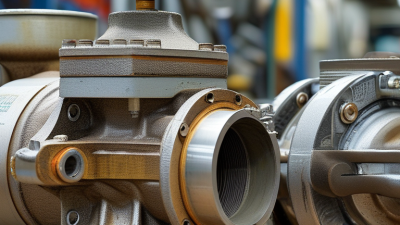
A credible provider should diagnose the failure, not simply quote a replacement part. Request an inspection record covering vibration, bearing condition, shaft runout, seal faces, and impeller wear. Small details matter. Ask how technicians measure clearances and document replacement parts. A clean test bay, calibrated instruments, and dated repair records make claims easier to verify. For rotodynamic pumps, request a post-repair performance test aligned with ISO 9906:2012, including flow, head, and power readings at agreed operating points. The report should identify its test setup and measurement tolerances.
Energy performance deserves attention. The U.S. Department of Energy’s Improving Pumping System Performance: A Sourcebook for Industry reports that pumping systems use nearly 20% of global electricity demand; some industrial facilities use 25–50% of their energy for pumping. These figures are not specific to China, but they show why repair quality can affect long-term operating costs.
Ask the provider to compare pre- and post-repair performance and explain any efficiency loss.
Measure, then compare.
Check technician experience with your pump type, access to suitable balancing and machining equipment, parts traceability, warranty terms, and realistic delivery dates. A polished certificate alone is not proof. I would still verify a repair reference and inspect a sample test report. This can take longer than expected, but missing measurements may become clear.
A reliable pump repair service should explain how it diagnoses faults, not just promise a quick turnaround. Ask whether technicians have experience with your pump type, operating pressure, fluid, and failure pattern. A strong workshop can describe checks such as shaft runout, bearing wear, impeller clearance, and vibration levels. It should also provide a clear inspection report before recommending major repairs. Specific answers matter.
Tips: Visit the workshop if possible. Check for clean assembly areas, lifting equipment, precision measuring tools, and a test stand suited to your pump’s flow and pressure. Ask how instruments are calibrated and how test results are recorded. Request a sample report with sensitive customer details removed.
Certifications can support a service provider’s claims, but they are not proof of repair quality by themselves. Check the certificate’s issuing body, validity period, and exact scope; a general quality certificate may not cover pump testing or repair procedures. Ask for technician training records and recent examples of similar work. I would also compare the written repair scope with the final test results. A neat facility can still miss a detail, and no checklist catches everything. Clear records make that limitation easier to manage.
A practical framework for evaluating technical expertise, facilities, and certifications
Suggested evaluation weighting—not market survey data or ratings of specific providers. Verify repair experience and test capabilities against your pump type and duty. Relevant references may include ISO 9001 for quality management, ISO/IEC 17025 for testing or calibration competence where applicable, ISO 20816 for mechanical vibration evaluation, and API 610 for applicable centrifugal pumps.
When comparing pump repair proposals in China, check whether each supplier describes the same work. A useful quote identifies the fault, inspection method, parts to be replaced, labor, and post-repair testing. Ask for measurements, such as shaft runout or vibration readings, rather than relying only on “repair and test.” Details matter.
Compare total costs line by line. Separate diagnosis, parts, machining, labor, transport, and any taxes or fees. Ask which findings could increase the price, and require approval before extra work begins. A low quote can look neat on paper but omit balancing, sealing, or load testing. I have seen comparisons go wrong when buyers treat different scopes as equal.
Turnaround time needs the same scrutiny. Ask when the clock starts, whether parts are in stock, and how long testing and return shipping take. A supplier may quote five working days after diagnosis, not five days from delivery. Request milestone dates and a written report with test results. Check the proposed warranty, too, including what evidence is needed for a claim. No estimate is perfect; unexpected wear can appear after disassembly. A candid proposal should say so and explain how changes will be priced.
Use this comparison as a starting point when requesting and evaluating repair proposals. Ask every service provider to quote against the same pump details, inspection findings, scope, and delivery terms.
| Repair scenario | Work typically included | Indicative cost (RMB) | Typical turnaround | What to compare in proposals | Key checks before approval |
|---|---|---|---|---|---|
| Inspection and fault diagnosis | Visual inspection, basic dimensional checks, runout or clearance checks where applicable, and a written fault assessment. | About ¥500–¥3,000; teardown, testing, or complex diagnosis may be charged separately. | 1–3 working days after receipt; allow extra time if dismantling or testing is required. | Whether the inspection fee is credited toward an approved repair; whether findings, photos, and a repair recommendation are included. | Confirm whether transport, dismantling, cleaning, and test-running are included or billed separately. |
| Routine seal and bearing replacement | Replacement of specified mechanical seals, bearings, gaskets, and related consumables; cleaning and basic assembly checks. | About ¥1,000–¥8,000, depending on pump size, seal type, parts grade, and labor. | 2–5 working days if required parts are available. | Part specifications and origin, labor charges, machining needs, balancing requirements, and whether a test report is included. | Match replacement parts to the pump’s operating temperature, pressure, fluid, and original dimensions. |
| Shaft, impeller, or rotor repair | Assessment and repair or replacement of damaged rotating components; may include machining, runout checks, and dynamic balancing. | About ¥3,000–¥20,000; replacement of major components can increase the total. | 3–10 working days, depending on machining and parts availability. | Repair-versus-replacement recommendation, dimensional tolerances, balancing scope, and any subcontracted work. | Request before-and-after measurements and balancing results where balancing is part of the quoted scope. |
| Wear-ring, casing, or hydraulic-part restoration | Clearance restoration or component replacement; may involve welding, coating, machining, or hydraulic-part adjustment. | About ¥5,000–¥30,000, depending on material, damage, and machining complexity. | 5–15 working days; specialist processes or replacement parts may extend the schedule. | Repair method, material compatibility, machining tolerances, inspection steps, and price for any work discovered after teardown. | Require written approval before additional work begins and clarify how dimensional acceptance will be documented. |
| Major overhaul | Full dismantling and inspection, replacement or restoration of agreed components, reassembly, and an operational or performance test where specified. | About ¥10,000–¥60,000 or more; large, high-pressure, or specialized pumps may exceed this range. | 7–20 working days, subject to parts supply, repair scope, and test requirements. | Itemized labor and parts, test conditions, acceptance criteria, warranty terms, delivery date, and exclusions. | Agree on a documented scope and acceptance test before work starts; compare final totals on the same tax and logistics basis. |
| Urgent or expedited repair | Priority inspection, scheduling, and repair where staffing, parts, and required processes allow. | Usually quoted case by case; expedited labor or logistics may add a surcharge. | Potentially 1–3 working days for limited repairs with parts on hand; not suitable as a default promise for major overhauls. | Written committed milestones, overtime or expedited charges, parts availability, and the consequences of schedule changes. | Ask the provider to confirm the earliest realistic dispatch date after inspection, not only the initial estimate. |
Important: Cost and timing ranges are broad planning estimates for general industrial centrifugal pumps, not verified quotes for a specific pump. Pump type, size, materials, damage, parts availability, test requirements, taxes, and transport can materially change the total. Submersible, magnetic-drive, cryogenic, high-pressure, and other specialized pumps may require separate pricing. Request an itemized quotation and written turnaround and warranty terms for the actual equipment.
Before choosing a pump repair service in China, request the warranty in writing. Check its duration, covered parts, labor, and exclusions. Ask what happens if vibration or leakage returns after commissioning. Small details matter. A clear response deadline is useful, but confirm whether it applies outside major cities and during weekends.
Customer support should connect you to a named technician, not only a sales contact. Ask how urgent failures are handled, which spare parts are stocked locally, and whether remote troubleshooting is available. The Hydraulic Institute and Europump’s Pump Life Cycle Costs guide shows that energy can account for about 40% of life-cycle cost in some pump applications. The share varies with operating conditions. Still, a repair provider should document alignment, clearances, seal condition, and test readings—not just say the pump runs.
Review service records from comparable repairs, with customer details removed if needed. Look for dated inspection notes, before-and-after measurements, replaced-part descriptions, and a load-test report. Gaps happen. Treat missing records as a question to resolve, not automatic proof of poor work. Ask for one recent example and check that the findings match the final invoice. A polished report can help, but it cannot replace a technician explaining what was measured and what remains uncertain.
sale@harbertpump.com,
sale@harbertpump.com