In industrial operations, pump repair is a vital component that often goes overlooked. According to a report by the Hydraulic Institute, businesses can face downtime costs exceeding $200,000 per hour due to pump failures. This makes timely pump repair essential for maintaining operational efficiency and profitability.
Organizations must recognize that neglected pump maintenance can lead to accelerated wear and tear, resulting in more frequent breakdowns. A study by the Pump Systems Matter program indicates that regular maintenance can extend pump lifespan by up to 50%. Identifying the conditions that necessitate pump repair can save resources and enhance productivity.
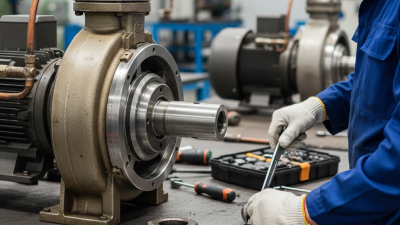
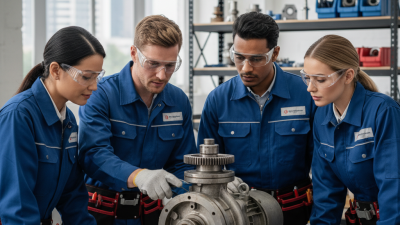
Furthermore, investing in expert pump repair services can ensure compliance with safety standards and reduce the risk of accidents. While businesses may prioritize cost-cutting, overlooking pump repair can lead to higher long-term expenses. Therefore, prioritizing this aspect is not just a maintenance issue, but a strategic decision for sustainable growth.
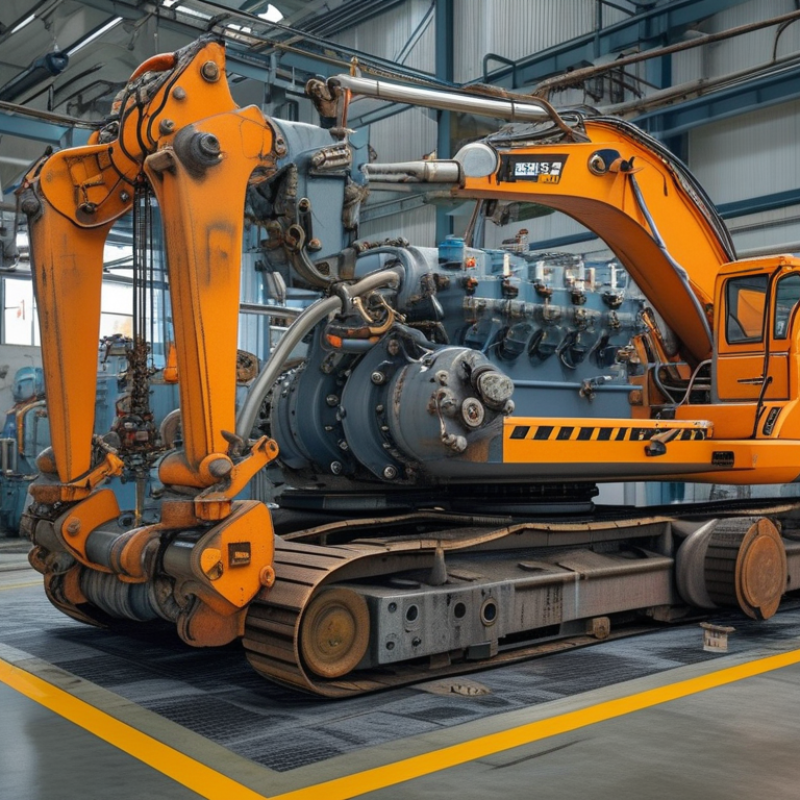
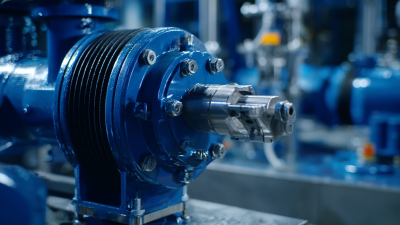
Pump repair is a critical aspect of maintaining operational efficiency in various industries. A pump is often the heart of a system, moving fluids to where they are needed. When a pump fails, it can cause unexpected downtime. This leads to reduced productivity and potential revenue loss. Understanding the key components involved in pump repair can help businesses manage their systems better.
The main components of pump repair include seals, bearings, and impellers. Seals prevent leaks, ensuring that fluids are contained within the pump. Worn or damaged seals can lead to significant fluid loss and even environmental hazards. Bearings support the moving parts and need to be lubricated properly. Neglecting them can lead to increased wear and tear. Impellers are responsible for the actual movement of fluids. If they are damaged, the pump's efficiency decreases.
Many businesses underestimate the importance of regular pump maintenance. Reactive repairs often cost more than preventive measures. A simple inspection can reveal potential issues. Implementing a comprehensive maintenance strategy will enhance the reliability of your pumps. However, awareness of potential problems is often overlooked. Regular training for maintenance staff is essential to ensure they are knowledgeable and capable.
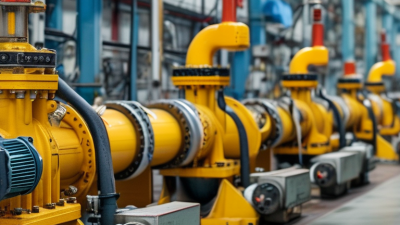
Regular pump maintenance is crucial for ensuring smooth business operations. Pumps are the heart of many industrial systems. When they fail, production can stall. This can lead to significant financial losses. Regular maintenance helps identify potential issues before they escalate. It improves efficiency, reliability, and the lifespan of the equipment.
Consider the signs of wear and tear. Listen for unusual sounds or vibrations. Monitor the energy consumption. If pumps are running inefficiently, it can increase costs unexpectedly. Consistent check-ups can prevent costly emergencies.
Tips: Schedule routine inspections. Create a maintenance log to track repairs and replacements. Engage experienced technicians for specialized tasks. These practices can save money over time and keep your business running smoothly. Regular maintenance is not just a checklist; it's a proactive approach to minimize risks and ensure operational efficiency.
Regular pump maintenance is crucial for businesses as it leads to significant cost savings, reduces downtime, improves efficiency, and increases the longevity of the equipment. This bar chart illustrates the quantitative benefits of maintaining pumps on a regular basis.
Pumps play a vital role in many industries, transferring liquids efficiently. However, they can develop issues over time. Recognizing the signs of pump failure is crucial to avoid costly disruptions.
One common indication is unusual noise. If your pump begins to make grinding or whining sounds, it may signal internal damage. Vibration is another red flag; excessive shaking points to misalignment or wear. Leaks are serious too. If you see fluid pooling around your pump, it likely indicates seal failure.
Additionally, a decrease in performance can be alarming. If the output pressure drops, it might be time for a check-up. Sometimes, the pump runs longer than usual, signaling inefficiency. When troubleshooting, it's important not to overlook these signs. Regular maintenance is often underestimated, yet it can save money in the long run. Taking action early can prevent bigger problems later.
Pump failures can significantly disrupt business productivity. When a pump malfunctions, it halts operations, leading to delays. These delays often result in increased labor costs. Employees may sit idle or be redirected to other tasks. This shift can reduce overall efficiency.
Downtime from pump failures can also affect customer satisfaction. Delays in production or service delivery may lead to missed deadlines. Clients rely on timely deliveries to maintain their operations. A breakdown can damage your reputation, leading to lost business opportunities. The cumulative impact of these failures can lead to severe financial implications.
Regular pump maintenance is often overlooked. Many businesses wait until a problem arises to address their pumps. This reactive approach can be costly. Investing in routine checks can prevent major issues. Proactive maintenance builds a reliable system. It ensures that pumps operate efficiently, protecting your business from unforeseen shutdowns.
| Dimension | Description | Impact (%) |
|---|---|---|
| Productivity Loss | Time lost due to pump failure affecting operational efficiency. | 30% |
| Repair Costs | Expenses incurred for labor and parts during pump repair. | 25% |
| Downtime | Total hours of operation lost during pump failures. | 20% |
| Maintenance Frequency | The number of times pumps need maintenance to avoid failure. | 15% |
| Customer Satisfaction | Impact on customer experience due to service disruptions. | 10% |
Choosing the right professionals for pump repair services is crucial for business efficiency. Many industries rely on pumps for operations, from manufacturing to water treatment. Industry reports indicate that 30% of pump failures are due to improper maintenance and repair. This fact highlights the need for qualified technicians.
When selecting professionals, consider their experience and certifications. Confirm their familiarity with your specific pump types. Reliable technicians should conduct thorough inspections and provide detailed reports. It’s important they offer preventive maintenance plans. Interestingly, businesses that implement such plans save up to 25% on repair costs.
A contractor’s reputation matters too. Check reviews and case studies. Request references to gauge their effectiveness. A solid team ensures timely repairs, reducing downtime significantly. Neglecting this aspect can lead to costly disruptions. Finding experts is not an easy task, but it is essential for long-term operational success.
sale@harbertpump.com,
sale@harbertpump.com