When selecting the best fire water pump, making an informed choice is crucial. A fire water pump plays a vital role in firefighting operations, providing the necessary water flow to extinguish fires effectively. According to the National Fire Protection Association, over 1.3 million fires are reported in the U.S. each year, underscoring the importance of dependable firefighting equipment.
Industry expert Dr. Emily Foster states, "The right fire water pump can make a significant difference in mitigating fire damage." This insight emphasizes the need for careful consideration when choosing a pump that meets specific requirements. Factors such as flow rate, pressure, and portability are essential to evaluate.
Many users often overlook the technical specifications. Understanding the pump's capabilities is not just a matter of preference; it can be a lifesaving decision. Reviews and expert evaluations can help, but not all sources are created equal. Thus, seeking reputable insights is fundamental. Investing time in research will assure you of a reliable fire water pump that integrates with your firefighting strategy effectively.
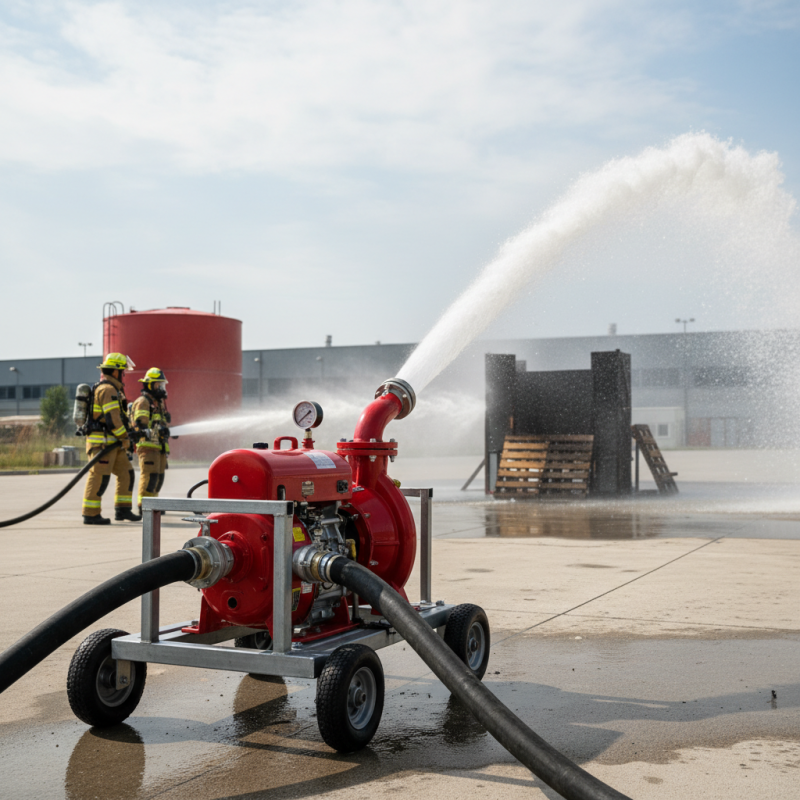
When selecting a fire water pump, understanding the different types available is crucial. There are mainly three types:
portable,
stationary, and
trailer-mounted.
Portable pumps are easily transported, making them ideal for emergencies. They can be operated manually or via a small engine.
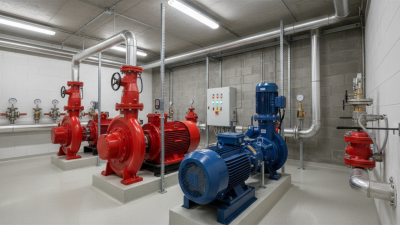
Stationary pumps are fixed installations, suitable for industrial settings. These pumps are robust and designed for high-capacity needs.
Trailer-mounted pumps offer flexibility. They can be moved to various locations, providing quick access in case of fire emergencies. Each type serves a unique purpose. Selecting the right type depends on specific needs, such as the location and expected usage conditions.
Consider factors like pressure and flow rate when making your choice. Ensure that the pump meets required standards for fire safety. A mismatch can lead to ineffective firefighting efforts. It's essential to evaluate your situation thoroughly. Reflect on scenarios that may arise and how the pump will perform under pressure. Picking the right fire water pump requires informed decision-making and awareness of your environment.
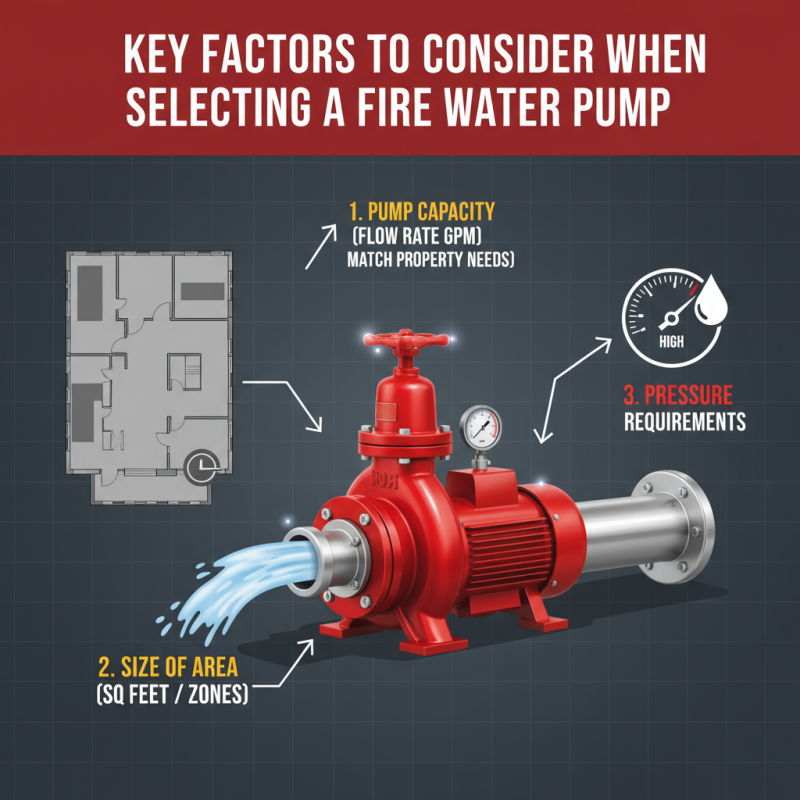
Choosing the right fire water pump is crucial for effective fire protection. One of the primary factors to consider is the pump's capacity. A pump's flow rate, measured in gallons per minute (GPM), should meet the specific needs of your property. If the flow rate is too low, it may not extinguish a fire effectively. Always assess the size of the area you need to protect.
Another important aspect is reliability. Fire water pumps must function properly in emergencies. Regular maintenance is key to ensuring they are in good working order. Evaluate the pump's design and ease of use as well. Complicated systems can lead to delays when every second counts.
Durability is also a point worthy of reflection. Some pumps may not withstand harsh weather conditions. When considering the environment, think about where you will store the pump. A suitable shelter can prolong its life. Unfortunately, many neglect this aspect, which leads to premature failures. Consider all these factors carefully. They are vital in selecting an effective fire water pump.
When selecting a fire water pump, understanding flow rate and pressure is crucial. Flow rate indicates the volume of water the pump can deliver. Consider your specific needs. For large areas, a higher flow rate is vital. However, pumps with excessive flow may waste resources. Optimal flow rate is about efficiency, not just quantity.
Pressure requirements are equally significant. This measures the strength at which water is delivered. High pressure is essential for tackling significant fires or reaching elevated locations. However, excessive pressure can damage hoses or other equipment. Carefully assess the required pressure for your application.
While you can focus on numbers, it's important to seek expert advice. Many users make decisions based solely on specifications. Real-world testing often reveals issues. Pumps that perform well in labs may not be as effective in actual scenarios. Consider gathering feedback from users with similar needs. Reliability stems from practical experience, not just data sheets.
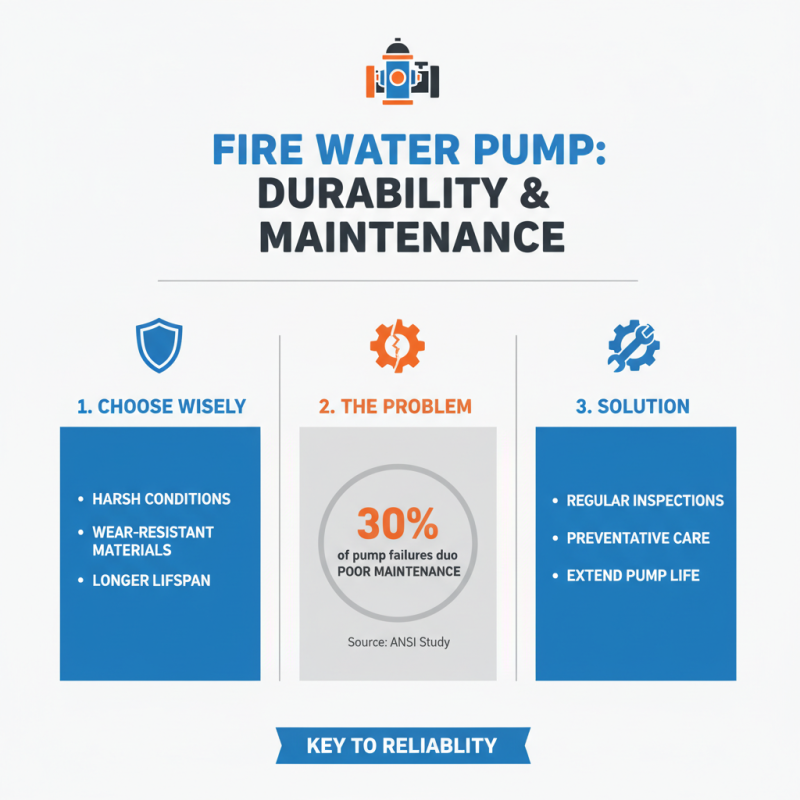
When selecting a fire water pump, evaluating durability and maintenance is crucial. Pumps face harsh conditions, so choose materials that withstand wear. A study from the American National Standards Institute reports that nearly 30% of pump failures occur due to poor maintenance. Regular inspections can extend the lifespan of your pump significantly.
Tips: Look for pumps with corrosion-resistant components. This feature protects against the harsh elements fire pumps often face. Consult manufacturer guidelines for routine maintenance schedules. Timely maintenance reduces the risk of unexpected failures.
Consider how easy the pump is to service. Some designs allow for quick part replacements, minimizing downtime. A report by the National Fire Protection Association states that operational readiness is essential for effective emergency response. Ensuring your pump is easy to maintain can save time and resources in urgent situations.
When budgeting for a fire water pump, it's crucial to consider both upfront costs and long-term expenses. The initial purchase price for a robust fire water pump can range from $1,500 to over $10,000, depending on capacity and features. Installation costs, which can add another $1,000 to $5,000, vary based on site conditions and plumbing requirements. Industry reports indicate that improper installation can lead to significant operational issues, underscoring the importance of professional help.
Additionally, maintenance expenses should not be overlooked. Regular servicing can cost about $200 to $500 annually. According to the National Fire Protection Association (NFPA), well-maintained pumps outperform those that are neglected. Incomplete budgeting can result in failures during emergencies, which is a risk no property owner should take. Considerations like fuel type, water source proximity, and pump flow rate also impact overall spending. Prioritizing thorough planning and realistic budget estimations can prevent costly surprises in the long run.
| Feature | Description | Estimated Cost (USD) |
|---|---|---|
| Pump Type | Diesel, Gasoline, Electric | $1,500 - $6,000 |
| Flow Rate | Measured in gallons per minute (GPM) | N/A |
| Pump Capacity | Total volume water pumped per hour | N/A |
| Portability | Weight and mobility options | N/A |
| Durability | Material quality and lifespan | N/A |
| Installation Costs | Labor and materials for setup | $300 - $1,200 |
| Maintenance | Routine checks and servicing | $150 - $500 per year |
| Warranty | Coverage period for repairs or replacements | N/A |
sale@harbertpump.com,
sale@harbertpump.com