Best Water Pump for Home Ideal for Buyers Worldwide?
When searching for the best water pump for home use, buyers often encounter a broad range of options. Choosing the ideal water pump requires understanding your needs and the specific features that cater to them. Whether for irrigation, drainage, or general household use, the right water pump plays a crucial role in your home’s efficiency.
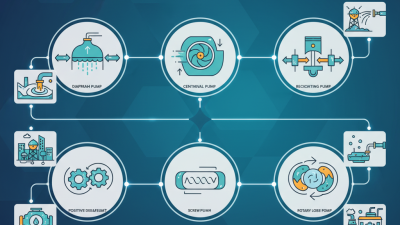
In this guide, we will explore various water pump types, including submersible, centrifugal, and jet pumps. Each type offers unique advantages for different home applications. It’s essential to assess factors like flow rate, power consumption, and noise levels to find the perfect match. While some may prioritize affordability, recall that lower-priced pumps may not always provide durability or performance.
As you research, consider your location and water supply sources. High-quality pumps are readily available globally, yet local conditions can influence what’s best for you. Remember to reflect on your long-term usage needs. In the end, investing in the right water pump for home use can significantly enhance your household’s water management. Ensuring quality now can save you hassle down the road.
Understanding the Different Types of Water Pumps for Home Use
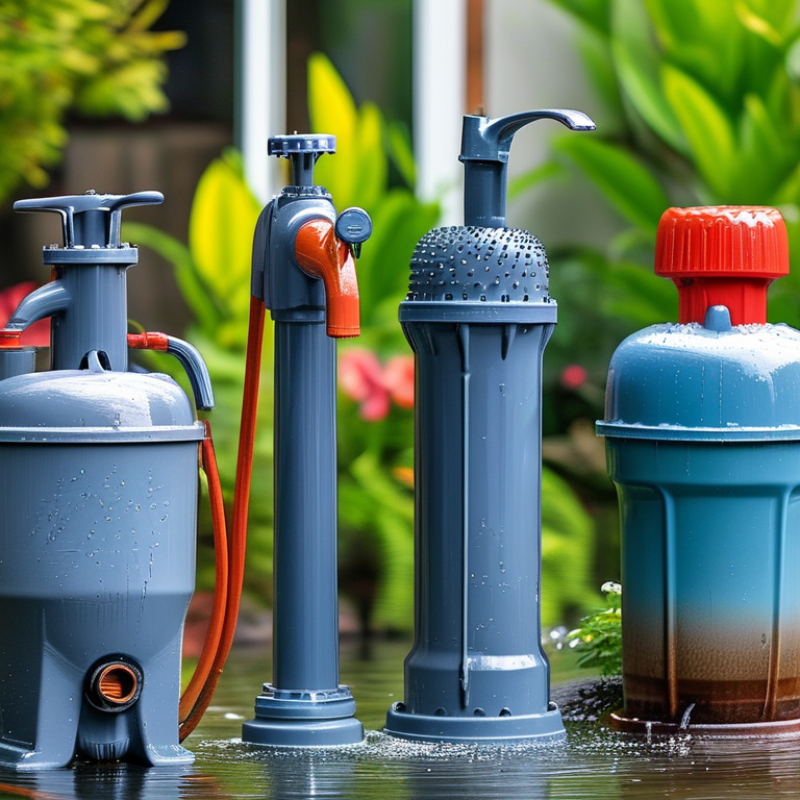
When considering the best water pump for home use, it’s essential to understand the different types available. Each type serves unique purposes. For instance,
submersible pumps are ideal for draining pools or flooded basements. They work underwater and can efficiently handle large amounts of water. Data from the Water Pump Association indicates that these pumps can remove thousands of gallons per hour.
Surface pumps, on the other hand, are often used for irrigation systems. They can draw water from a well or a pond. Their efficiency varies, depending on the design and water source.
While some models are robust, others may struggle in low-water conditions. Many homeowners report the need to assess their specific requirements to avoid underperforming options.
It's crucial to be aware of potential oversights, such as pump sizing. Many buyers choose pumps based solely on price without considering flow rate or head height. This can lead to dissatisfaction. The reality is that selecting the right pump requires an understanding of both the environment and the intended use. A well-informed choice can save time, money, and frustration in the long run.
Key Features to Consider When Choosing a Water Pump
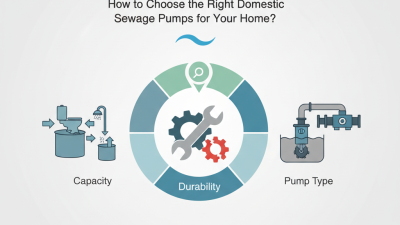
When selecting a water pump for home use, certain features stand out. Capacity is crucial. Pumps come in various sizes. Assess your water needs before choosing one. A pump’s flow rate is important. It indicates how much water it can move in a given time. Look for a model that matches your usage.
Consider the pump type as well. Submersible pumps are used for deep wells. They are efficient and quiet. Surface pumps, on the other hand, work well for shallow water sources. They are easier to install. Durability matters too. Materials like stainless steel resist rust and wear.
While many options exist, not all will suit your needs perfectly. Think about energy efficiency. A pump that consumes less electricity saves money in the long run. Maintenance requirements should not be overlooked. Some pumps require more upkeep than others. This can lead to additional costs and effort. Be sure to weigh these factors carefully.
Comparing Top Water Pump Brands for Homeowners Worldwide
When considering the best water pump for home use, it's important to evaluate various factors. Different pumps serve specific needs. Some are ideal for irrigation, while others excel in drainage or water supply. The market is filled with brands that cater to diverse homeowner requirements. Data from industry reports reveal that nearly 70% of homeowners prioritize energy efficiency in their pump selection, directly affecting long-term costs.
Many homeowners overlook the importance of noise levels. A quieter pump can significantly improve comfort in residential areas. Reviews indicate that pumps with sound-dampening technology are becoming increasingly popular. Another aspect to consider is the ease of installation. Some models require professional help, while others are DIY-friendly. A survey shows that 55% of users prefer pumps that they can install without external assistance.
Choosing the right pump also involves understanding your specific needs. Assess water pressure requirements and expected usage. Consider seasonal variations in water needs, especially in drier months. Don't forget to evaluate warranty options and customer support provided by manufacturers. A detailed comparison can reveal that a more expensive model may offer better reliability and support.
Maintenance Tips for Ensuring Longevity of Your Home Water Pump
Maintaining your home water pump is crucial for its longevity and optimal performance. Regular checks can prevent major issues and costly repairs. You should inspect the pump for any visible wear or leaks. Listen for unusual noises during operation. If something feels off, it probably is.
Consider changing the water filter as part of your maintenance routine. A clogged filter can lead to decreased efficiency. Clean filters can enhance water flow and extend the pump's life. Regularly scheduled maintenance can save money in the long run. Always keep the pump area clear of debris for better ventilation.
Hydrating your pump means paying attention to its environment. Extreme temperatures can affect its performance. In colder climates, ensure your pump is insulated to prevent freezing. In hot conditions, check for overheating signs. Proper care and timely interventions will help your pump serve you well throughout the years. Ultimately, staying proactive will lead to a reliable water supply when you need it most.
Cost Analysis: Budgeting for the Best Water Pump Options
When considering the best water pump for your home, budgeting is crucial. Water pumps come in various styles and prices, which can be overwhelming. Analyzing your needs is the first step. Are you looking for a pump for irrigation, drainage, or residential water supply? Understanding your specific requirements can help narrow down your options efficiently.
Cost analysis is not just about the purchase price. You also need to factor in installation and maintenance costs. Some pumps might have a lower upfront cost but can be less efficient in the long run. This can lead to higher energy bills. In contrast, a more expensive pump might save you money over time due to its efficiency and durability. This is worth considering when making your decision.
Reflecting on the long-term value is vital. Cheaper models often require more repairs. Investing in a reliable water pump can yield better performance. Longevity and warranty are critical factors that add to your peace of mind. It’s helpful to research reviews and gather insights before committing. This due diligence can significantly affect your overall satisfaction with your purchase.