In today's industrial landscape, choosing the right components is crucial. The Chain Rod Belt stands out as a formidable option in conveying systems. According to Dr. Emily Carter, a senior engineer at Industrial Solutions Corp, "The right belt can drastically enhance efficiency and reduce downtime." Her expertise reflects the growing reliance on durable and efficient conveyor solutions.
Chain Rod Belts are designed for robustness and longevity. Their intricate design combines flexibility with strength, making them ideal for various applications. Their resistance to wear and tear is particularly beneficial in heavy-duty environments. Yet, reliance on any technology invites scrutiny. Are Chain Rod Belts truly the best option for every industry?
Investing in a Chain Rod Belt could yield significant benefits. However, it’s essential to evaluate specific needs and potential drawbacks. For instance, initial costs may be higher than alternative belts. Balancing price against long-term benefits requires thoughtful consideration. Reliable equipment like the Chain Rod Belt can indeed drive productivity, but understanding its limitations is equally important.
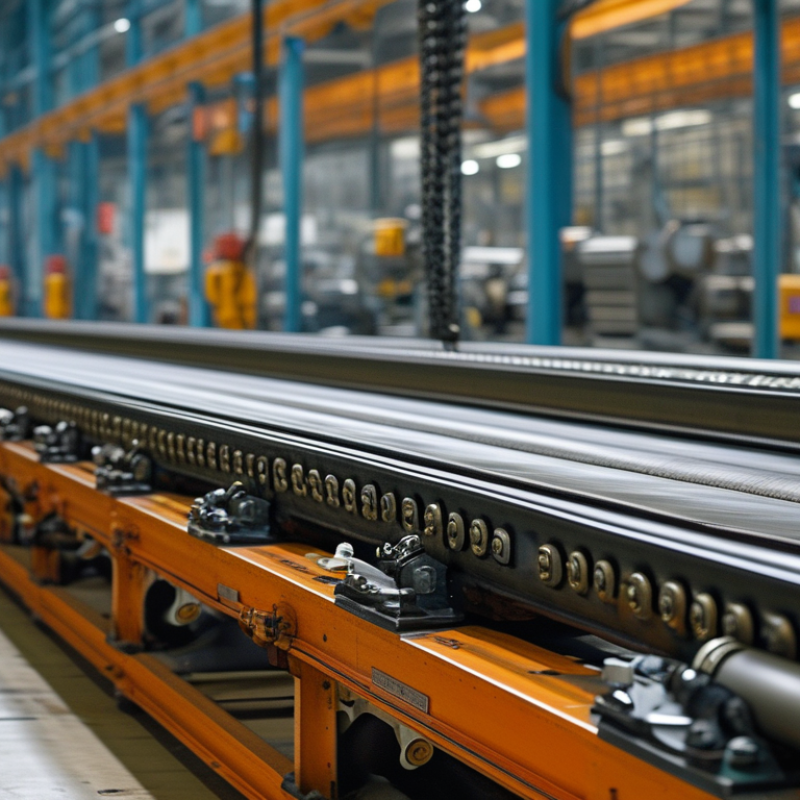
Chain rod belts have become a popular choice in industrial settings due to their unique advantages. These belts offer exceptional durability, which is critical for high-demand applications. They can withstand heavy loads and resist wear and tear, making them ideal for conveyor systems. Their robust construction reduces the frequency of maintenance, which can save companies both time and money.
Another significant benefit is the flexibility of design. Chain rod belts can be customized to fit various machinery and operational requirements. This adaptability allows for smoother transitions in different processes, enhancing overall productivity. Moreover, these belts operate quietly, which can help maintain a more comfortable work environment. However, it is essential to consider proper alignment during installation. Misalignment can lead to premature wear and operational inefficiencies.
In industries like food processing and manufacturing, hygiene is paramount. Chain rod belts are often easier to clean compared to other belt types. This can lead to better compliance with safety regulations. Yet, they may require specialized cleaning solutions, depending on the materials used. Proper care is crucial to maximize their lifespan. It's always important to assess specific requirements and applications before making a choice.
When evaluating conveyor systems, chain rod belts stand out. They offer unique advantages over traditional options. For instance, chain rod belts provide better load stability, especially with heavy items. Their design reduces slippage and enhances control. This makes them suitable for various industrial applications.
In contrast, roller belts might be more common but can struggle with heavier loads. They often face roller jamming or misalignment issues. Additionally, maintenance costs for roller systems can quickly add up. Chain rod belts, while possibly requiring specialized parts, often prove more cost-effective over time. Their robust structure minimizes wear and tear, which is critical in a high-demand environment.
Another point to consider is the versatility of chain rod belts. They can accommodate diverse product sizes and weights, adapting to your production line's needs. However, this flexibility can sometimes complicate installation. It’s important to assess your specific requirements before making a decision. Don't overlook the long-term benefits that might outweigh initial challenges.
Chain rod belts are often the unsung heroes of industrial applications. Their durability makes them ideal for heavy-duty operations. These belts can handle significant loads, providing consistent performance over time. However, they require regular maintenance to realize their full potential. Proper care extends their lifespan and ensures operational efficiency.
Tips: Inspect the belts regularly for wear and tear. Look for any signs of cracks or deformation. Addressing small issues early can prevent larger failures later on.
Maintenance is not just about fixing problems. It involves routine checks and adjustments. Ensure that the alignment of the chain rod belt is accurate. Misalignment can lead to premature wear. Lubrication is also critical, but avoid excessive grease. Too much lubricant can attract dirt and grit, leading to further damage.
Tips: Develop a maintenance schedule. Consistency helps catch potential issues before they escalate. A proactive approach ensures that your chain rod belt continues to perform at its best.
Chain rod belts are increasingly utilized in various industries due to their unique advantages. For example, the automotive sector relies on these belts for efficient material handling. They help transport heavy loads quickly and safely. The design of chain rod belts allows for smooth movement across different elevations and angles.
Food and beverage industries also benefit from chain rod belts. They are used in processing and packaging lines, where hygiene is crucial. These belts are easy to clean and minimize any contamination risk. Additionally, they can withstand extreme temperatures and harsh cleaning chemicals, which makes them reliable in this sector.
Despite their benefits, some challenges come with using chain rod belts. Regular maintenance is essential to ensure optimal performance. Over time, wear and tear can occur, impacting efficiency. Companies must reflect on their handling routines to maximize the lifespan of these belts. It’s crucial to balance cost efficiency with the performance of chain rod belts in industrial applications.
When choosing a chain rod belt for industrial operations, understanding specific needs is crucial. Assess the environment in which it will be used. Consider temperature fluctuations, humidity levels, and exposure to chemicals. Such factors will affect the belt’s performance and longevity. A robust design can withstand demanding working conditions.
Take the time to analyze load capacity and speed. Not all belts can handle heavy loads effectively. Selecting the wrong belt may lead to failures, resulting in downtime. Costs can rise quickly due to repairs and lost production. Think about the belt's maintenance requirements, too. Some belts may need regular lubrication, while others are low maintenance, making them suitable for various situations.
It's essential to consider compatibility with existing systems. Sometimes a belt may not fit perfectly with machinery. Monitoring the performance of the chosen belt is critical. Keeping records of any issues can provide insight into when adjustments are needed. Engage your team in evaluating the belt's effectiveness to ensure it meets operational demands.
sale@harbertpump.com,
sale@harbertpump.com