
Wall Pvc Panel Wpc has gained significant attention in recent years. This innovative material combines the benefits of both PVC and wood. According to industry reports, the global market for wall panels is expected to grow at a CAGR of 8.3% from 2021 to 2028. Such growth highlights the rising interest in eco-friendly and durable building materials.
The advantages of Wall PVC Panel WPC are clear. They offer water resistance, ease of installation, and a wide range of designs. A study from Grand View Research indicates that the demand for WPC materials will be driven by their low maintenance requirements and aesthetic appeal. Yet, some installations face challenges. Issues can arise during extreme weather conditions or improper maintenance.
Incorporating Wall PVC Panel WPC can transform spaces, making them more functional and visually appealing. Yet, users must ensure quality products for optimal performance. As awareness of sustainability rises, the choice of materials in construction continues to evolve. The potential of Wall PVC Panel WPC is promising, but understanding its limitations is essential for informed decisions.
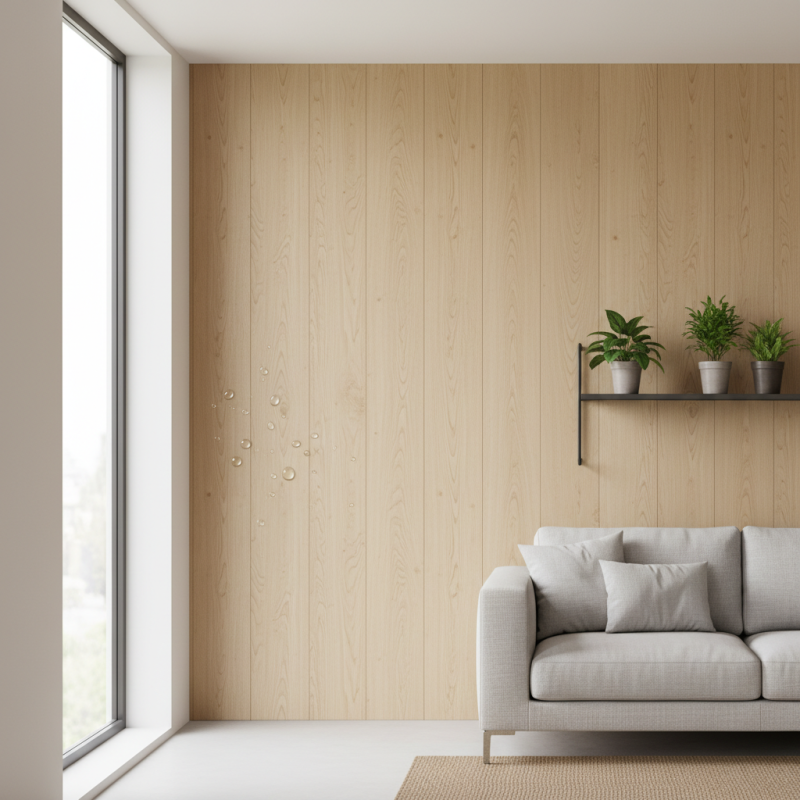
Wall PVC panels made from wood plastic composites (WPC) offer a unique blend of durability and aesthetics. These materials contain a mix of plastic and wood fibers. This combination creates a robust panel that resists moisture and pests effectively. WPC panels are becoming a popular choice for modern interiors due to their versatility.
The applications of wall PVC panels are broad. They can be used in residential and commercial settings. In bathrooms, these panels prevent water damage. Their resistance to mold and mildew makes them ideal for damp environments. Additionally, WPC panels are easy to install. Homeowners can often complete the installation without hiring professionals. This does raise questions about long-term durability and maintenance, as DIY projects might not meet professional standards.
While WPC panels are appealing, some concerns exist. The initial cost may be higher compared to traditional materials. Questions about the environmental impact of the plastic component also arise. Understanding these aspects is crucial for making informed decisions. As more research emerges, the balance between durability and environmental responsibility continues to be a topic of reflection.
Wall PVC panels have gained popularity in construction and design due to their unique benefits. These panels are lightweight, water-resistant, and easy to install. A report by the Freedonia Group estimates that the demand for wall panels, including PVC variants, is expected to grow by 6.2% annually through 2025. This growth reflects the increasing interest in sustainable materials that enhance indoor environments.
One key advantage of Wall PVC panels is their durability. They can withstand harsh conditions without rotting or warping. Compared to traditional wood panels, PVC panels demonstrate greater longevity. A study by MarketsandMarkets suggests that PVC’s cost-effectiveness can save about 20% in maintenance expenses over time. This is particularly important in commercial settings where upkeep costs can escalate quickly.
Design versatility is another significant benefit. Wall PVC panels come in various colors and textures, accommodating diverse aesthetic preferences. However, achieving a high-end look while using budget materials can sometimes lead to a mismatch in quality perception. Balancing cost and style is a common challenge for architects and builders alike. Despite the advantages, it’s essential to reflect on how these materials align with the overall design vision and functionality of a space.
WPC, or Wood Plastic Composite, is increasingly popular in both residential and commercial spaces. Its unique properties make it suitable for various applications. In homes, WPC panels are used for wall coverings, decking, and fencing. They mimic the appearance of traditional wood while offering enhanced durability.
In commercial environments, WPC is often seen in retail fixtures, wall cladding, and outdoor signage. Its resistance to moisture and pests makes it an excellent choice for high-traffic areas. WPC is easy to clean and maintain, an important feature for busy spaces.
Tip: When considering WPC, think about the environment it will be placed in. Factors like humidity and wear should inform your choice.
However, not all WPC products are created equal. Some may not perform well under certain conditions. It's essential to review product specifications and seek guidance when needed.
Tip: Always consult a professional if you are unsure about installation. Proper installation can significantly affect durability and aesthetics.
WPC offers versatility and practicality, but it requires informed choices to maximize benefits. Each application should be assessed carefully to avoid regrets later.
When comparing wall PVC panels to traditional materials, key differences emerge. Wall PVC panels, made from polyvinyl chloride, offer unique advantages. According to industry reports, they are lightweight, making installation easier. Traditional materials like wood and plaster can increase labor costs due to their weight and handling needs.
Durability is another crucial factor. PVC panels are resistant to moisture, termites, and fading. A study found that materials like wood can warp and require regular maintenance to preserve appearance. In contrast, PVC panels maintain their aesthetic without much upkeep. This lowers long-term costs for homeowners and businesses.
Energy efficiency plays a significant role as well. PVC panels have insulating properties. This can reduce heating and cooling costs. Traditional materials often lack such insulation, leading to higher energy bills. However, some skeptics argue that the long-term environmental impact of PVC production cannot be overlooked. A balance between immediate benefits and sustainability must be considered in choosing the right material.
WPC panels, made from wood and plastic composites, are valued for their durability. However, proper maintenance is essential for ensuring their longevity. Regular cleaning is key. Use a mild detergent and warm water to wash the surface. Avoid abrasive materials, as they can scratch the finish. A soft cloth or sponge works best.
It’s crucial to inspect the panels regularly. Look for signs of wear or damage. Addressing small issues promptly can prevent bigger problems down the line. In humid environments, water accumulation can be harmful. Allow proper ventilation to minimize moisture. Installing panels with an appropriate gap can help prevent warping.
Sun exposure can fade colors over time. Consider using UV protective coatings to maintain vibrancy. If panels become discolored, light sanding may restore their appearance. It’s worth noting that while WPC panels are resistant to many elements, they are not entirely maintenance-free. Finally, always follow the manufacturer’s guidance for specific care instructions.
sale@harbertpump.com,
sale@harbertpump.com