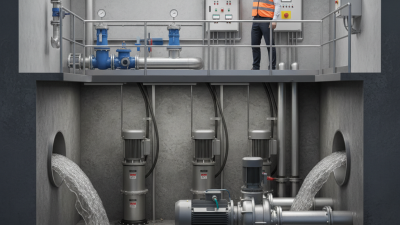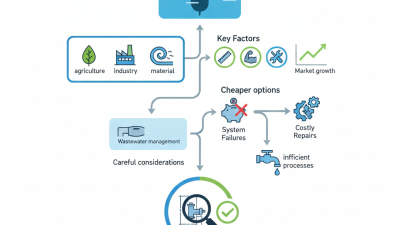
In the realm of fire safety, understanding the various types of fire pumps is crucial. John Smith, a renowned fire protection expert, once stated, "Choosing the right fire pump can mean the difference between safety and disaster." Fire pumps are vital components in firefighting, providing the necessary water supply. They come in several types, each serving a unique purpose.
The importance of fire pumps cannot be overstated. From centrifugal pumps to positive displacement pumps, each type has its functions. Centrifugal pumps are common in many settings. They are efficient and reliable. However, some installations may require positive displacement pumps for higher pressure needs. This diversity speaks to the complexity of fire protection.
Yet, not all fire pump systems operate flawlessly. Misunderstandings about their operation can lead to dangerous situations. Regular maintenance is necessary but often overlooked. Fire safety relies heavily on preparation and understanding these vital systems. Knowledge about different fire pumps helps organizations make informed decisions, enhancing safety measures. Ultimately, recognizing the distinct functions of each type can help save lives.
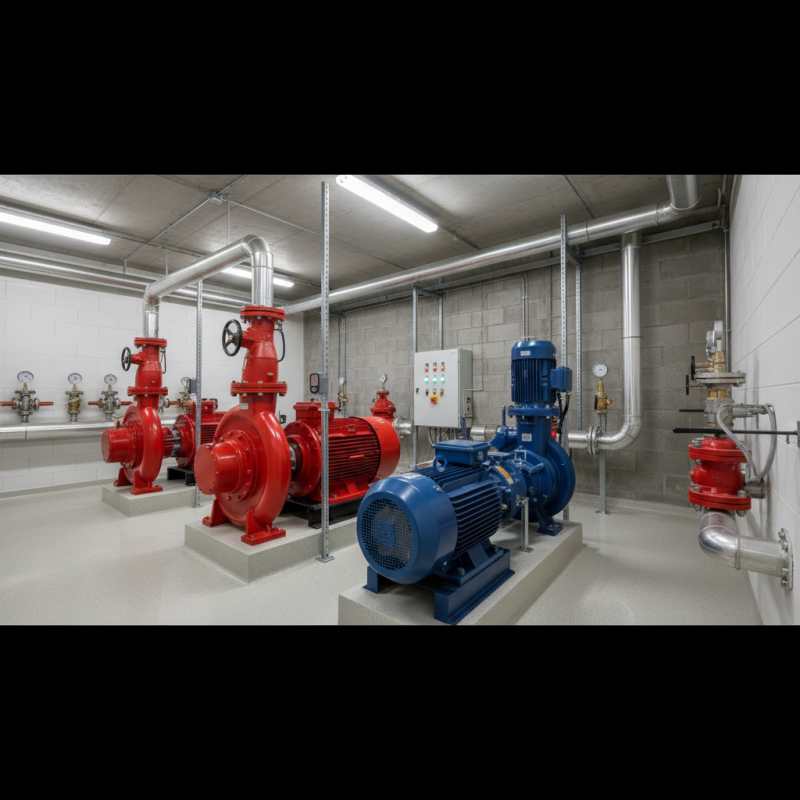
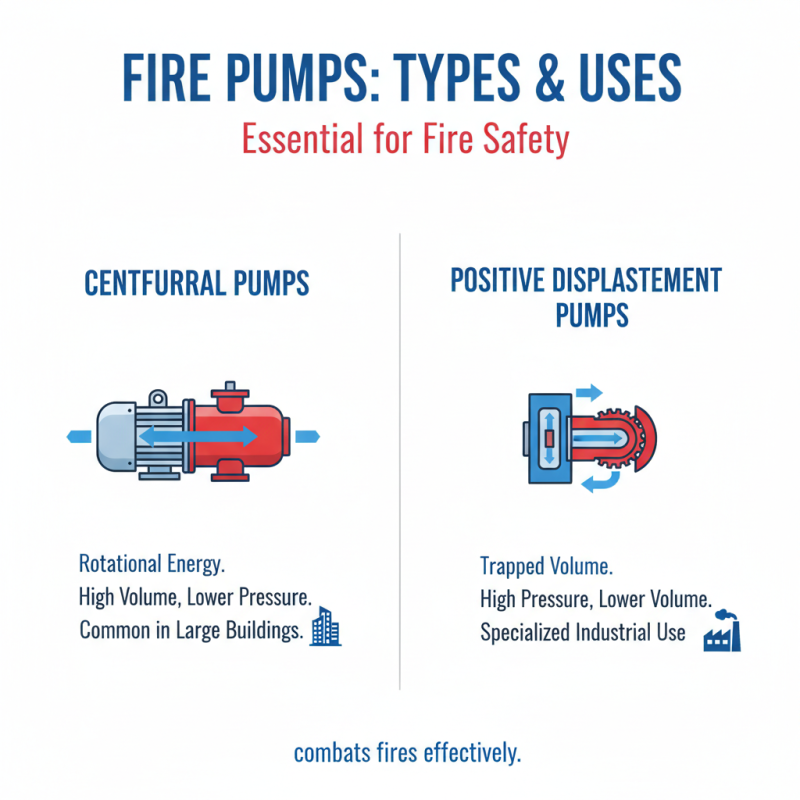
Fire pumps are essential in combating fires, each designed for specific needs. Various types exist, including centrifugal, positive displacement, and horizontal split-case pumps. Centrifugal pumps utilize rotational energy to move water quickly. They are efficient and common in large buildings. Positive displacement pumps, on the other hand, operate differently. They trap a specific amount of water and push it out. This type is useful in applications requiring high pressure.
Each pump has distinct functions based on its design. For instance, portable fire pumps are vital for remote areas. They provide quick access to water where hydrants are unavailable. Stationary pumps are ideal for fixed installations. Their setup may require a more rigorous installation process. Sometimes, users overlook the maintenance needs of these systems. Regular checks are crucial to ensure reliable operation during emergencies. Without proper care, even the best pumps can fail when needed most.
When discussing fire pumps, two main types stand out: positive displacement and centrifugal fire pumps. Each type serves specific needs in fire protection. Positive displacement pumps operate on a simple principle. They trap a fixed amount of water and then push it through the system. This design provides a consistent flow, making it ideal for systems requiring precise pressure. For instance, they work well in areas with variable demand. However, they can struggle with high flow requirements, leading to inefficiencies.
On the other hand, centrifugal pumps rely on rotational energy to move water. They are designed for high flow rates, making them suitable for large-scale operations. These pumps use an impeller to spin the water, generating significant pressure. However, they may not maintain pressure if the flow decreases too much. Their performance can vary significantly based on the system design. It's crucial to ensure that the pump matches the specific needs of the fire protection system. Each type has its strengths and weaknesses, inviting further consideration of their applications.
This chart compares the flow rates of two different types of fire pumps: Positive Displacement and Centrifugal. Positive displacement pumps typically have a lower flow rate, while centrifugal pumps offer higher flow rates, making them suitable for large-scale applications.
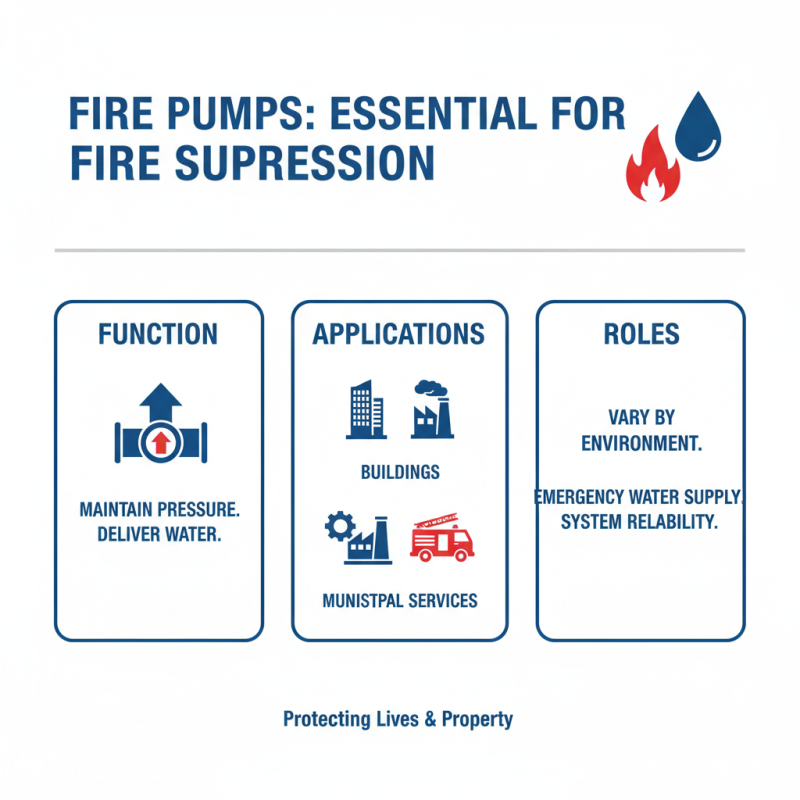
Fire pumps are vital in fire suppression systems. They are used in various applications to maintain pressure and deliver water during emergencies. These pumps can be found in buildings, industrial sites, and municipal services. Their roles vary depending on the needs of the environment.
In commercial buildings, fire pumps ensure that sprinklers have adequate pressure. A recent report showed that about 70% of fires occur in commercial spaces. Residential buildings also benefit from fire pumps, particularly in larger complexes. In many areas, these systems adhere to strict regulations to ensure reliable operation.
**Tip:** Regular maintenance of fire pumps is crucial. Ensure inspections are conducted at least annually.
Industrial applications often require specialized fire pumps. These pumps can operate in high-pressure situations. They are essential in factories where large quantities of flammable materials are stored. Many industries overlook the importance of testing. Failing to carry out routine checks may lead to failures during critical moments.
**Tip:** Invest in training for staff on fire pump operations. Knowledge can save lives.
Municipalities rely on fire pumps for overall community safety. They help protect buildings and infrastructures. Each year, fire departments respond to thousands of calls for support. Proper firefighting systems can dramatically reduce loss. Some organizations still underestimate their need and effectiveness. This can lead to unnecessary damages.
Fire pumps play a critical role in firefighting efforts. Understanding fire pump ratings is essential. These ratings include flow and pressure specifications. Flow is measured in gallons per minute (GPM). Pressure is expressed in pounds per square inch (PSI). Both metrics indicate a pump's efficiency and effectiveness.
A higher GPM ensures that a larger volume of water is available. For larger fires, you need greater flow rates. On the other hand, PSI measures how forcefully water is delivered. This affects the distance water can reach. A pump with adequate pressure gets water to higher floors in buildings. Still, not all buildings require the same specifications.
Choosing the right pump depends on specific needs. Not all places are the same. For instance, a warehouse may have different requirements than a residential area. Some may need a lower flow but higher pressure. It’s vital to assess the unique fire hazards in each location. Regular testing of pump systems highlights potential issues. A single malfunctional system can lead to catastrophic failures during an emergency.
Regulatory standards play a crucial role in fire pump design. They ensure safety and reliability in various facilities. Each jurisdiction may have unique codes that must be met. These standards can dictate pump size, materials, and flow rates. For instance, certain areas may require pumps to meet specific pressure requirements for high-rise buildings. This can pose a challenge for designers.
Compliance can be complex. Designers need thorough familiarity with local codes. Even minor oversights can lead to significant consequences. For instance, a pump that doesn't meet the required flow may result in inadequate fire protection. Regular inspections and tests are often mandated by these standards to ensure functionality. The pressure and volume of water distributed must be consistent with operational needs.
Moreover, understanding the implications of non-compliance is vital. It may lead to increased insurance costs or legal liabilities. Businesses must prioritize adherence to these regulatory standards. After all, the protection of life and property depends heavily on reliable fire pump systems. Striking a balance between design innovation and regulatory compliance is essential. This ongoing challenge requires frequent reassessment as regulations evolve.
| Fire Pump Type | Function | Common Applications | Regulatory Standards |
|---|---|---|---|
| Fire Engine Pump | Provides water supply for firefighting from hydrants or water sources. | Vehicle-mounted for emergency response situations. | NFPA 1901, NFPA 20 |
| Jockey Pump | Maintains pressure in the fire protection system. | Commercial buildings, industrial facilities. | NFPA 20 |
| Fire Sprinkler Pump | Supplies water to fire sprinkler systems. | High-rise buildings, warehouses. | NFPA 13, NFPA 20 |
| Monitor Pump | Directs water flow during firefighting operations. | Industrial sites, chemical plants. | OSHA regulations, NFPA standards. |
| Diesel Fire Pump | Used in areas without reliable power sources. | Remote locations, construction sites. | NFPA 20, ULC regulations. |
sale@harbertpump.com,
sale@harbertpump.com