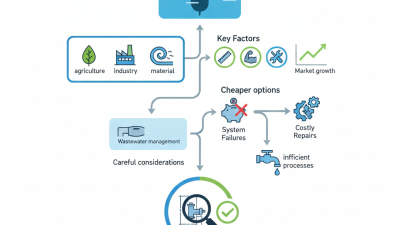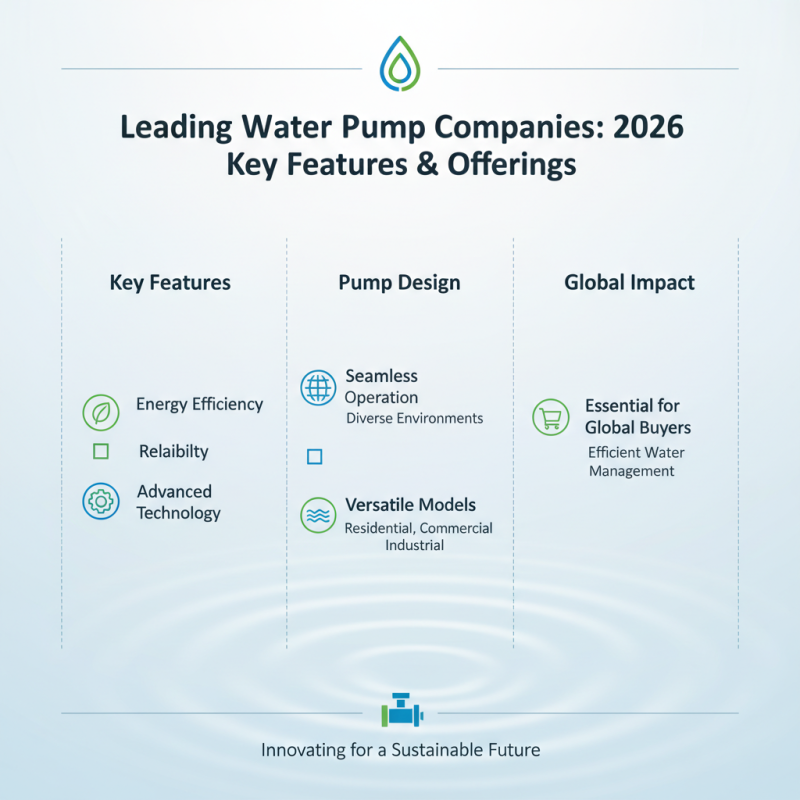
As the global demand for efficient water management rises, the importance of reliable water pump services becomes evident. According to industry expert Dr. Emily Chen, “Water pump services are vital for sustainable development in urban and rural areas.” Her insights reflect the critical role these services play in various sectors, from agriculture to municipal water supply.
The landscape of water pump services is constantly evolving. Innovations are driving improvements in efficiency and reliability. However, challenges remain. Many service providers struggle to keep up with technological advancements. There are concerns about the availability of expert technicians in various regions. These issues can impact the quality of service and ultimately affect end-users.
Choosing the right water pump service provider is crucial for success. Buyers must consider factors such as reputation, expertise, and service range. Not all providers meet the required standards. Some may prioritize profit over quality. Consequently, global buyers need to navigate these complexities carefully. Reliable information and expert recommendations are essential to making informed decisions.
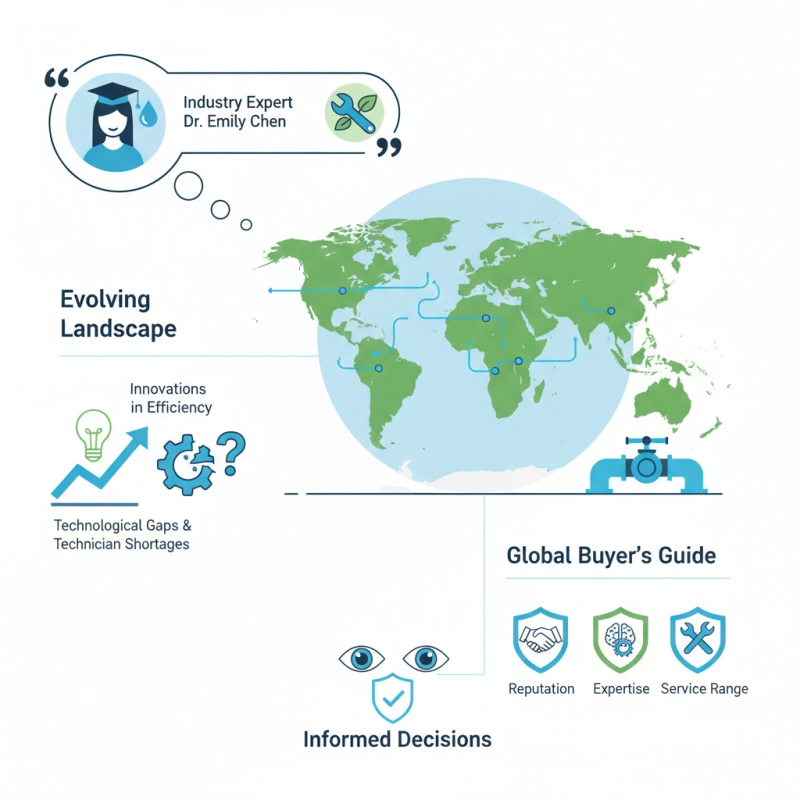
In 2026, the global landscape for water pump services is poised for significant transformation. As industries demand enhanced efficiency, data from the International Pump Association shows a projected market growth rate of 5.8%. This increase underscores the importance of reliable water pump services for agriculture, manufacturing, and infrastructure. Buyers will require access to advanced technology and sustainable solutions that align with regulatory demands.
Improved service offerings will become essential. Reliable data indicates that automated pump systems can reduce energy consumption by up to 30%. This efficiency not only saves costs but also minimizes environmental impact. Many service providers face challenges in adapting to rapid technological advancements. Outdated practices may hinder service quality and responsiveness. As a result, buyers must seek partners who prioritize innovation and continuous improvement.
Training and expertise will define top service providers. A lack of skilled professionals can lead to subpar service outcomes. Industry reports hint at a growing skills gap, emphasizing the need for ongoing education and certifications in water pump technology. Buyers should prioritize companies that invest in workforce development to ensure optimal service delivery. Engaging with knowledgeable providers can help mitigate risks associated with water management.
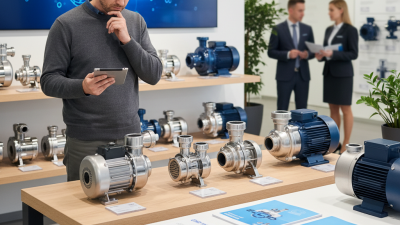
In the quest for efficient water management, top water pump services are essential for global buyers in 2026. Leading water pump companies focus on various key features. These include energy efficiency, reliability, and advanced technology. Their pumps are designed to operate seamlessly in different environments. Many models are suitable for residential, commercial, and industrial use. The versatility of these pumps makes them attractive to diverse markets.
Customer support also plays a critical role in their offerings. Buyers expect prompt responses to inquiries and timely maintenance services. Some companies provide training for operators to enhance pump usage. However, not all companies meet these expectations. Quality control can vary, impacting reliability. Potential buyers need to research thoroughly to ensure selection of a reputable service provider.
Sustainability is increasingly prioritized in the water pump industry. Companies are developing eco-friendly models that reduce water waste. These innovations, while promising, can come with a learning curve for users. Adopting new technologies might require adaptations. Continuous feedback loops between buyers and companies can bridge this gap, fostering better solutions for future water management needs.
When selecting reliable water pump services, understanding the criteria is crucial. Industry reports indicate that service reliability impacts operational efficiency by approximately 30%. Buyers should consider the provider's technical expertise. Companies with skilled engineers can offer better solutions and maintenance support. This knowledge is essential for long-term performance.
Additionally, customer service quality plays a significant role. A study by the Global Water Pump Association shows that 70% of customers prefer companies that offer 24/7 support. Responsiveness and communication can make a substantial difference during emergencies. A transparent approach can increase trust between buyers and providers.
Another essential factor is certifications and compliance with industry standards. According to the World Health Organization, adherence to safety regulations can reduce pump failure rates by 15%. Reliable services should showcase their certifications and past project success rates. This not only demonstrates their capabilities but also ensures peace of mind for clients. Overall, careful consideration of these aspects can lead to a more informed decision.
| Service Provider Type | Location | Service Rating (out of 5) | Years in Business | Specialization | Response Time (hrs) |
|---|---|---|---|---|---|
| Residential | USA | 4.5 | 10 | Submersible Pumps | 2 |
| Commercial | Germany | 4.7 | 15 | Industrial Pumps | 3 |
| Agricultural | India | 4.0 | 8 | Irrigation Pumps | 4 |
| Municipal | Canada | 4.8 | 20 | Wastewater Pumps | 1 |
| Service & Repair | Australia | 4.6 | 12 | Pump Maintenance | 5 |
The water pump service industry is undergoing significant changes as we approach 2026. One standout trend is the increasing integration of smart technology. These advancements allow for real-time monitoring and data analytics. Customers can now track performance metrics easily. Smart solutions enhance efficiency but raise questions about data security and user experience.
Sustainability is another pivotal focus. Many services are prioritizing eco-friendly practices. Using energy-efficient pumps can lead to long-term savings. However, the transition isn’t seamless. Companies may face challenges in retrofitting older systems. This creates a gap between what is ideal and what is feasible.
Customer education is critical in this evolving landscape. As technologies advance, clients may struggle to understand their options. Training programs can bridge this gap. Yet, service providers must ensure that the information is accessible and relevant. This balance between innovation and user understanding will shape the industry moving forward.
When assessing global water pump service providers, several factors come into play. Reliability and efficiency are paramount. Some companies excel in manufacturing, while others shine in service. Each provider has unique strengths and weaknesses.
This complexity often leads to crucial decisions for buyers. A thorough comparative analysis reveals the disparities in performance and customer satisfaction.
Tip: Research reviews and ratings prior to selecting a service provider. This step can save time and resources in the long run. An informed choice makes a big difference.
Another aspect to consider is geographical coverage. Some providers operate locally, while others have a global reach. Local companies may offer personalized service. Larger firms may boast extensive resources but could lack authenticity. Understanding your specific needs is vital for effective decision-making.
Tip: Create a checklist of criteria that matter most to you. This list can guide conversations with potential providers. Reflection on past experiences can further shape your expectations. Focusing on your needs leads to a more suitable choice.
sale@harbertpump.com,
sale@harbertpump.com