Choosing a Freestanding Awning can be daunting. With so many options available, making the right choice requires careful consideration. A freestanding awning offers versatility and can enhance any outdoor space. However, the selection process can be overwhelming.
Consider your needs first. Do you want shade for a patio or a shelter for outdoor gatherings? The purpose will narrow down your options. Also, think about the climate where you live. Some materials withstand harsh weather better than others. This knowledge is crucial for long-lasting use.
Quality is essential when selecting a freestanding awning. Look for durable materials and reliable construction. Research reputable brands. Reviews can provide insight into performance and durability. Be mindful of your budget but remember that investing in quality pays off. Overall, a thoughtful approach will lead you to the perfect freestanding awning.
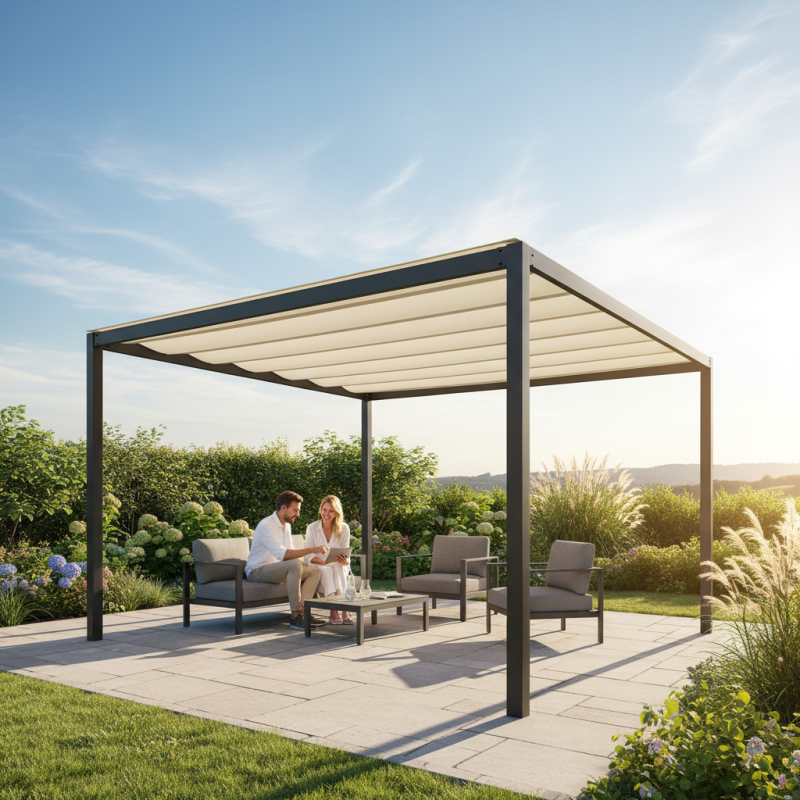
When selecting a freestanding awning, material plays a vital role. Different materials offer unique benefits and setbacks. For instance, fabric awnings are lightweight and versatile. They come in various colors and patterns. However, they may not withstand harsh weather as effectively. Consider how frequently you face sun, rain, or snow in your area.
Aluminum awnings provide durability and strength. They resist rust and corrosion but can be less visually appealing. These long-lasting options require less maintenance. Composite materials often combine aesthetics and durability. However, they might be pricier, affecting your budget. Weighing these aspects can be tricky. Finding the right balance between cost and quality is key.
Think about UV protection as well. Some materials filter harmful rays better than others. Also, let’s not forget about insulation. Poor insulation can lead to increased energy costs. Test how the material reacts to different temperatures. It’s essential to experiment and rethink your choices based on your environment. This ensures your awning meets all your needs.
Freestanding awnings come in various styles, each offering unique benefits. Retractable awnings are versatile. They can be adjusted based on weather conditions. When the sun shines bright, extend them for shade. When it rains, retract them to avoid damage. This flexibility is appealing for many homeowners.
Fixed awnings provide durability and constant protection. Made from sturdy materials, they withstand harsh weather. They create a lasting outdoor space. However, maintenance can be a concern. Over time, they might require cleaning or repainting. Consider your environment before making a choice.
Shade sails are an attractive option. They add a modern look to any space. However, they require proper installation to ensure safety. Pay attention to the angles and secure fittings. This style enhances aesthetics but demands careful planning. Reflect on your needs. Each type of awning serves a different purpose, balancing style with functionality. Choosing the right one can enhance your outdoor enjoyment.
| Tip Number | Tip Description | Style Considerations | Material Options |
|---|---|---|---|
| 1 | Determine the Purpose | Patio Shade, Carport | Fabric, Vinyl |
| 2 | Consider the Size | Custom Fit, Standard Sizes | Aluminum, Steel |
| 3 | Assess UV Resistance | High UV Protection | Polyester |
| 4 | Check Water Resistance | Rain-Safe Design | Coated Fabrics |
| 5 | Evaluate Portability | Easy to Move | Lightweight Materials |
| 6 | Consider Design Aesthetic | Modern, Classic Styles | Decorative Fabrics |
| 7 | Look at Frame Stability | Wind Resistance | Heavy Duty Options |
| 8 | Think About Ease of Installation | User-Friendly Setup | Pre-Assembled Components |
| 9 | Set a Budget | Affordable vs. Premium Options | Various Material Grades |
| 10 | Read Reviews or Testimonials | Real User Experiences | Customer Feedback |
When considering a freestanding awning, size and coverage are vital factors. Industry research indicates that nearly 70% of outdoor enthusiasts emphasize the importance of adequate shade. A well-sized awning provides comfort during sunny days. Too small an awning leaves areas exposed, leading to discomfort. It's essential to measure your outdoor space carefully before making a decision.
Understanding your coverage needs involves thinking about the activities you'll host. For instance, a 10x15 foot awning typically accommodates a small dining set, while larger gatherers may require 12x20 feet or more. According to the American Society of Landscape Architects, properly covered areas can reduce outdoor temperature by up to 20%. However, sometimes awnings may not fully meet these cooling expectations, especially in direct sunlight.
Finally, consider how your awning fits within your landscape. A well-placed awning should harmonize with existing structures and not overwhelm the area. Aesthetic appeal can sometimes conflict with functional needs. Measuring carefully and considering your landscape can ensure you make an informed choice. The right balance can enhance your outdoor experience significantly.
When evaluating freestanding awnings, durability and weather resistance are critical factors. One industry study indicates that about 70% of awning failures are due to inadequate materials. Choosing high-quality fabrics can make a significant difference. Look for UV-resistant nylon or polyester. These materials tend to last longer in harsh sunlight.
Moreover, the structural elements play a vital role. A recent survey showed that 65% of consumers prefer awnings with aluminum frames. Aluminium resists rust and corrosion. It can withstand wind speeds up to 30 mph. However, not all aluminum is created equal. Consider the thickness of the material. Thicker frames offer additional support.
It’s also essential to think about local weather conditions. For instance, areas prone to heavy rainfall may benefit from awnings with water-resistant coatings. These can reduce pooling problems. On the other hand, in frequently windy regions, look for designs that feature wind vents. This design can save you the hassle of frequent replacements. Evaluating each of these elements critically can help in making a well-informed decision.
This bar chart illustrates the evaluation of various durability and weather resistance features for freestanding awnings. Each feature is rated on a scale from 1 to 10 based on its importance for durability and weather resistance.
Choosing a freestanding awning involves more than just functionality. It’s about integrating it into your outdoor space in an aesthetically pleasing way. Opt for designs that complement your existing architecture. Natural materials can enhance visual appeal, while bold colors may add a vibrant touch. Consider various shapes, such as curved or angular, to see what suits your taste and setting best.
Functionality should not be overlooked. Think about how the awning will protect you from the sun or rain. Some designs include retractable features, allowing you to adapt based on the weather. This flexibility can be a practical addition. Explore options that provide UV protection while still looking attractive. Sometimes, the best designs are those that appear simple yet serve a purpose effectively.
Reflect on how each choice impacts your outdoor lifestyle. An awning can be an inviting space for gatherings or solitary relaxation. However, the ideal option might not always be clear. Test different models if possible. Visit showrooms or visualize samples in your setting. Finding the right balance between beauty and practicality will transform your outdoor area into a true extension of your home.
sale@harbertpump.com,
sale@harbertpump.com