When selecting a suction pump, it's crucial to understand the various types available in the market. These pumps play a vital role in industries like agriculture, manufacturing, and even healthcare. Each type serves specific functions, making it essential for buyers to choose wisely.
Suction pumps come in many varieties. Some are designed for heavy-duty tasks, while others are best for lighter applications. Understanding these differences can guide you to the right solution. There are factors to consider, such as efficiency, reliability, and maintenance needs.
Your choice of suction pump can significantly impact your operation. A well-suited pump enhances productivity and reduces downtime. Yet, many buyers overlook important details. Each pump's specifications matter. Consider the environment in which the pump will operate. Knowledge of these aspects ensures you make an informed decision.
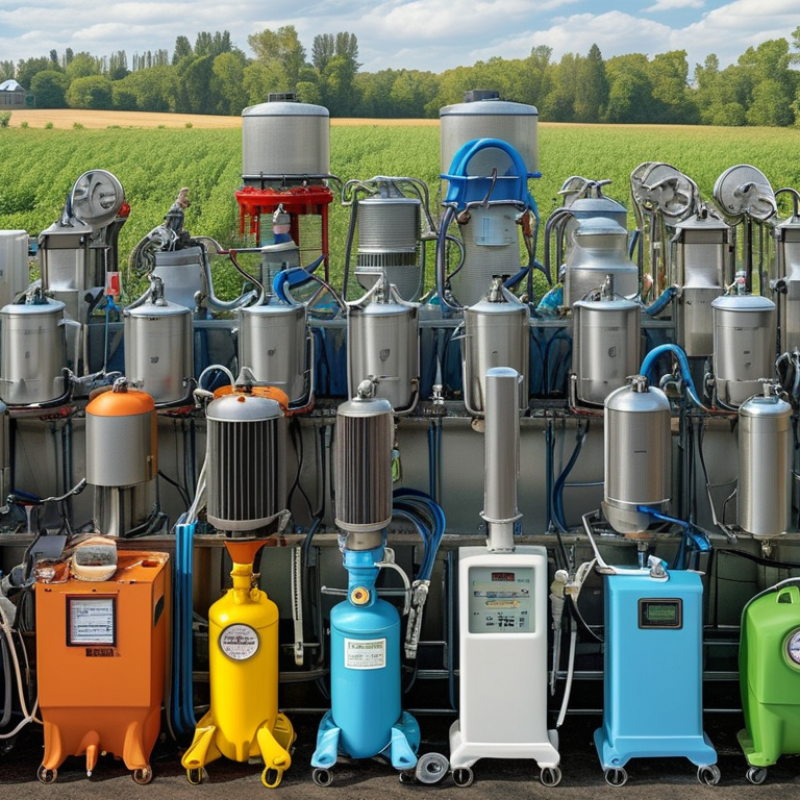
Choosing the right suction pump can significantly affect your project's efficiency. Various types of suction pumps exist, each designed for specific tasks. Among these, diaphragm pumps, vortex pumps, and gear pumps stand out. These pumps differ in function, capacity, and application, leaving many buyers overwhelmed.
When selecting a pump, consider the fluid type you will be handling. Some pumps work better with thicker liquids, while others excel at handling gases or air. Think about the required flow rate as well. An inadequate flow rate can hinder your operations, making careful analysis essential.
Fluid compatibility is crucial in pump selection. A mismatched pump can lead to costly repairs or replacements. Assessing the environment is just as important. Liquids may be corrosive or hazardous, requiring specialized materials for pumps. Remember, not all pumps can handle extreme temperatures.
Keep in mind the maintenance needs of your chosen pump type. Some pumps require more frequent servicing, affecting long-term efficiency. Balancing performance with ease of upkeep is key. Researching user experiences can provide insight. Many buyers share their struggles with specific pumps, highlighting common challenges in real-world applications.
Understanding the differences between positive displacement and centrifugal suction pumps is crucial for consumers. Positive displacement pumps move fluid by trapping a fixed amount and forcing it into the discharge pipe. This type excels in handling viscous liquids and maintaining a steady flow rate, even under varying pressure conditions. For example, they can achieve flow rates from two gallons per minute to more than 10,000 gallons per minute, making them versatile across various industries.
On the other hand, centrifugal pumps rely on rotational energy to move fluid. They work best with low-viscosity liquids. These pumps can handle fluid velocities of up to 20 feet per second, allowing for higher flow rates compared to positive displacement models. However, their performance can drop with increased viscosity. Industry reports show that centrifugal pumps make up approximately 75% of all pump sales worldwide. This high prevalence primarily stems from their adaptability and efficiency in water and chemical applications.
Both pump types have their drawbacks. Positive displacement pumps can be problematic at high speeds. They may lead to excessive pressure build-up and require precise system control. Meanwhile, centrifugal pumps can struggle in scenarios involving thick fluids or slurries. It's important to consider the specific application needs when choosing between the two types for optimal performance.
| Pump Type | Application | Advantages | Disadvantages |
|---|---|---|---|
| Positive Displacement Pump | High-viscosity fluids | High efficiency, handles thick fluids well | More complex design, higher maintenance |
| Centrifugal Pump | Low-viscosity fluids | Simple design, high flow rates | Not suitable for high-viscosity fluids |
| Gear Pump | Oil and other viscous liquids | Consistent flow rates, self-priming | Limited to specific viscosities |
| Diaphragm Pump | Corrosive or hazardous fluids | Handles abrasive fluids, leak-proof | Lower flow rates, more wear on diaphragms |
| Peristaltic Pump | Food and pharmaceutical applications | No contamination risk, easy to clean | Limited pressure capabilities |
| Vane Pump | Hydraulic and lubrication systems | Good efficiency and consistent flow | Susceptible to wear over time |
| Screw Pump | High-viscosity and shear-sensitive liquids | Gentle pumping action, low shear | Higher initial cost |
| Progressing Cavity Pump | Viscous and abrasive fluids | Handles difficult fluids well | More complex setup, higher maintenance |
| Rotary Lobe Pump | Food processing, biotechnology | Gentle pumping, easy to clean | Can be expensive, requires careful handling |
| Vacuum Pump | Creating vacuum and evacuating gases | Versatile, various applications | Not suitable for liquid transport |
Suction pumps play a crucial role in various industries, impacting both efficiency and productivity. In agriculture, they are essential for irrigation systems. A report by the International Journal of Agricultural Science notes that efficient suction pumps can increase crop yield by up to 30%. They help extract water from sources like wells and rivers, ensuring that crops receive adequate hydration.
In the oil and gas sector, suction pumps facilitate the transfer of fluids, including viscous oils. According to a 2022 study by the World Energy Council, around 75% of the industry relies on positive displacement pumps for this purpose. These pumps are effective in moving heavy liquids, optimizing operational flow. However, they require careful maintenance, as pump failures can lead to costly downtimes.
Food processing also heavily utilizes suction pumps. They ensure that products are moved without contamination. A survey conducted by the Food and Beverage Equipment Manufacturers Association found that nearly 60% of food processors reported challenges with pump reliability. The need for sanitation can complicate pump designs, and not all pumps meet food safety standards.
Each sector requires a tailored approach to choose the right suction pump type. Misunderstanding the requirements can lead to waste and inefficiencies. Understanding specific applications and industries is vital for making informed purchasing decisions.
When selecting a suction pump, understanding performance metrics is crucial. Flow rate measures how much liquid a pump can move in a given time. A higher flow rate means efficiency in transferring fluids, but it’s not the only factor to consider. Pressure is another vital component, representing the pump’s ability to lift fluids against gravity or through resistance. Balancing flow rate and pressure is key for choosing the right pump.
Efficiency often gets sidelined when buyers focus on flow and pressure. However, an efficient pump conserves energy and reduces operational costs. Inefficient models may seem appealing at first, but they lead to higher long-term expenses. Monitoring energy use and maintenance needs can provide insight into efficiency. This often gets overlooked, prompting buyers to reassess their choices.
Consider the specific application for the pump. Identifying the right metrics for your needs will help make an informed decision. Visualizing the task at hand will clarify what features matter most. The wrong choice can be costly, leading to frequent repairs or replacements. Reflect on what environment the pump will be used in and what conditions it must withstand. Prioritizing performance metrics will steer you toward the best suction pump for your application.
When selecting a suction pump, material choice is crucial for durability and performance. Different materials offer varying resistance to chemicals, corrosion, and wear. Common materials include stainless steel, cast iron, and PVC. Each has unique properties affecting longevity. Stainless steel is strong but costly. PVC is affordable yet may not withstand high temperatures.
Consider environmental factors when choosing materials. Will the pump be exposed to harsh chemicals? Stainless steel may be best. If flexibility is needed, thermoplastics can be suitable. Always examine the specific application to ensure the material is appropriate.
Tips for Buyers:
sale@harbertpump.com,
sale@harbertpump.com