As the world shifts towards sustainable energy, the demand for efficient solutions increases. Homeowners often explore various options to harness solar power. One pivotal component in this process is the solar panel roof mount. Choosing the right solar panel roof mount can dramatically affect energy output and system longevity.
Solar panel roof mounts are varied. Each type offers unique benefits and limitations. Some may provide better aesthetics, while others excel in durability. It's crucial to consider your roof type and climate conditions. Not all mounts are suitable for every home. Evaluating the right fit requires research and understanding of your specific needs.
Finding the ideal solar panel roof mount is an investment in the future. Yet, challenges may arise. Installation difficulties can occur, and weather conditions may impact efficiency. Homeowners must weigh these factors when opting for solar energy. By identifying the best mounts available, you can enhance your home's energy performance and sustainability.
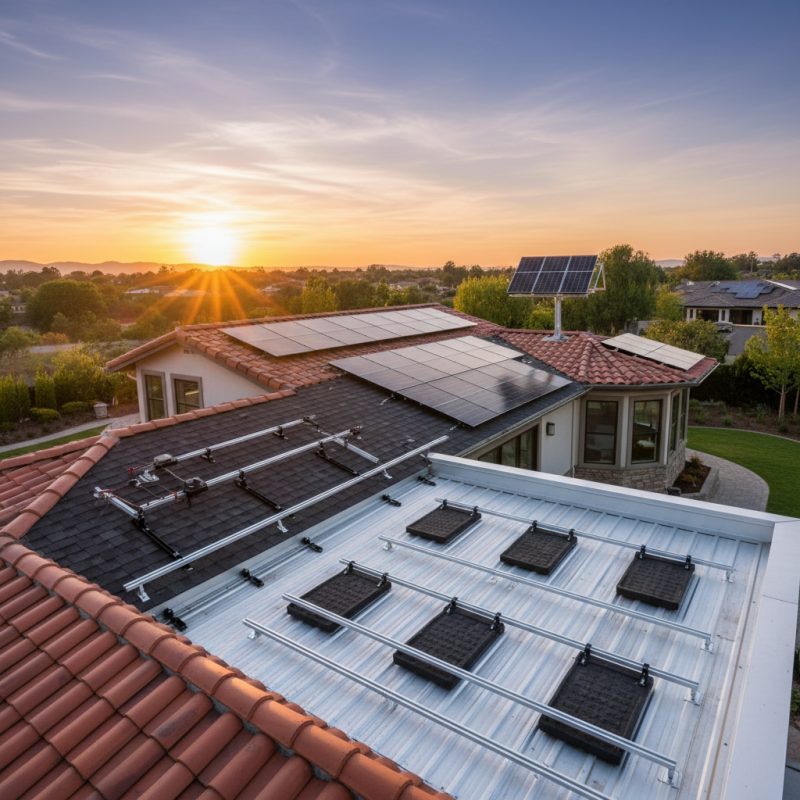
When choosing solar panel roof mounts, several key factors need your attention. First, the roof’s angle can significantly affect energy efficiency. A steeper angle often captures more sunlight, while a flatter surface might require specialized mounts. Consider your roof's material as well. Some mounts are better suited for asphalt shingles than for metal roofs. An unsuitable choice could lead to damage or inefficiency.
Another important aspect is the mount's durability. They must withstand wind, rain, and snow. Research the materials used in the mounts you’re considering. Corrosion-resistant materials tend to last longer. Think about installation methods too. Some systems require professional installation, which increases your overall cost. Assess your DIY capabilities honestly. Mistakes during installation can lead to roof leaks or reduced performance.
Compatibility with your solar panels also matters. Not all mounts fit every panel style. Mismatched components can cause inefficiencies. Moreover, check local building codes. Some areas have specific regulations regarding solar installations. Ignoring these could result in fines or removal. Evaluating all these factors involves a careful analysis. It may take time, but making informed choices is crucial for a successful solar panel system.
| Mount Type | Material | Weight Capacity | Installation Type | Tilt Angle | Warranty Period |
|---|---|---|---|---|---|
| Flush Mount | Aluminum | Up to 200 lbs | Rooftop | 0° | 25 years |
| Pole Mount | Galvanized Steel | Up to 300 lbs | Ground | Adjustable | 20 years |
| Tilt Mount | Aluminum | Up to 250 lbs | Rooftop | Fixed | 15 years |
| Ground Mount | Aluminum | Up to 400 lbs | Ground | Adjustable | 30 years |
| Soffit Mount | Composite | Up to 150 lbs | Soffit | 0° | 10 years |
| Ballasted Mount | Plastic | No weight limit | Rooftop | Adjustable | 20 years |
| Hybrid Mount | Aluminum/Steel | Up to 350 lbs | Rooftop/Ground | Fixed | 25 years |
| Inverted Mount | Aluminum | Up to 200 lbs | Rooftop | 0° | 15 years |
| Adjustable Mount | Aluminum | Up to 300 lbs | Rooftop/Ground | Adjustable | 20 years |
When considering solar panel roof mount systems, it’s essential to understand the variety available. Different types of mounts cater to diverse roofing styles and conditions. For instance, fixed roof mounts provide a simple setup, ideal for homeowners looking for an easy installation. These systems are straightforward but may require adjustments for optimal sun exposure.
On the other hand, adjustable mounts offer flexibility. They enable users to tilt the panels based on seasonal sun angles. This feature can enhance energy capture but may involve more complex installations. Tracking systems represent another option, moving with the sun throughout the day. While they optimize performance, their higher cost and maintenance needs can be daunting.
Moreover, professionals often report issues like roof integrity when installing mounts. Ensuring your roof can safely support the weight is crucial. Solar panel systems sometimes lead to leaks if not installed properly. Engaging a reliable installer can mitigate these concerns. Always seek multiple assessments to ensure quality and durability in your solar investment.
When considering solar panel roof mount options, various factors need examination. The market offers a plethora of products, each with unique features. According to a 2022 report by the Solar Energy Industries Association, residential solar installs grew by 23%. This trend highlights the increasing importance of adequate roof installations.
Proper mounting can boost efficiency and durability. The angle and material used can significantly affect performance. Many mounts utilize aluminum frames, which are lightweight yet sturdy. Surveys indicate that up to 80% of homeowners favor easy-to-install solutions. However, some mounts might not withstand extreme weather conditions. It's essential to consider local environmental factors when selecting a product.
While many options promise user-friendly designs, some can pose installation challenges. It's reported that nearly 30% of DIY installations face complications. Ignoring professional advice may lead to costly mistakes. Ensuring compatibility with your roof type is crucial for long-term performance. Evaluating customer reviews can also provide insights into real-world experiences, illustrating potential pitfalls in various systems.
Installing solar panel roof mounts can seem daunting. However, the process can be manageable with the right approach. Begin by assessing your roof space and orientation. Ideally, a south-facing roof maximizes sunlight exposure. Ensure your roof is in good condition. If repairs are needed, address those first.
Next, gather essential tools and materials. A ladder, drill, and hard hat are vital for safety and efficiency. Mark the mounting locations on your roof. Utilize a stud finder to locate rafters. Accurate positioning is key. After aligning the mounts, drill holes and secure them with bolts. This step requires precision for long-term stability.
After mounting, connect the panels to the inverter. This part may be complex, demanding careful attention to wiring. If you're uncertain, consider hiring a professional. It's crucial to adhere to safety protocols during installation. Inspect your work regularly. Mistakes can lead to inefficiencies or damage. Enjoy watching your system operate as you contribute to renewable energy.
Maintaining solar panel roof mounts is essential for longevity. Regular inspections can identify potential issues early. Data shows that neglected mounts can lead to a decrease in efficiency by up to 20%. A professional report by the National Renewable Energy Laboratory highlights that proper maintenance ensures optimal performance and maximizes energy output.
Cleaning is crucial. Dust and debris accumulate on panels, reducing sunlight exposure. Studies reveal that dirty panels can lose 10-25% of their efficiency. Homeowners should employ soft brushes and mild detergents to avoid scratching surfaces. Scheduling cleanings every six months maintains cleanliness throughout the year.
Check the structural integrity regularly. Look for signs of wear or corrosion. Rust can compromise the strength of mounts, particularly in coastal areas. The American Society of Civil Engineers recommends inspecting mounts at least once a year. Addressing small issues prevents larger problems that require costly repairs. These practices are vital for maintaining solar panel roof mounts and ensuring they work effectively over time.
This chart displays the estimated efficiency ratings of various solar panel roof mount options available for residential use. The efficiency rating indicates how well each mounting system holds up under different environmental conditions, affecting the longevity and performance of solar panels.
sale@harbertpump.com,
sale@harbertpump.com