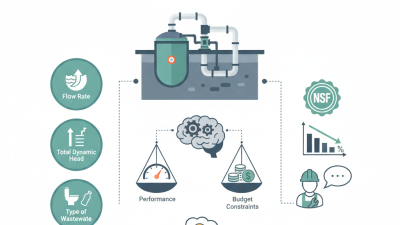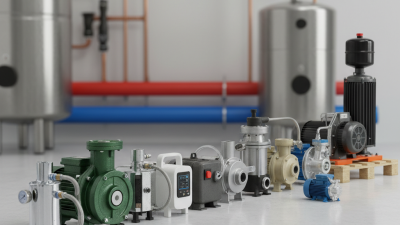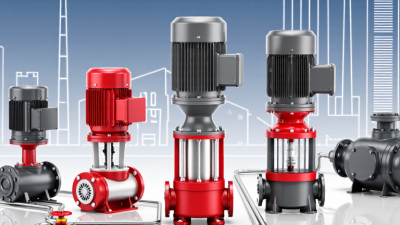
Choosing the best sewage pump system depends on more than brand reputation or motor power. A reliable system must match the building, wastewater type, flow demand, and installation environment. Homes, restaurants, apartment blocks, and industrial facilities often require different pumping solutions. A grinder pump may handle narrow discharge lines, while a vortex or non-clog pump can better manage larger solids. The right choice also depends on pump curves, lifting height, pipe friction, basin size, and expected daily use.
This guide examines leading sewage pump systems through practical performance rather than advertising claims. It considers solids-handling capacity, energy use, corrosion resistance, noise, maintenance access, alarm protection, and installation quality. A dependable system should start smoothly, resist clogging, and provide clear warning signals before failure. Small details matter. A blocked float switch can leave wastewater rising quietly in a sealed pit.
Field experience shows that no single pump suits every property. A powerful model can waste energy when the pipe network is poorly designed. A cheaper unit may become expensive after repeated service calls. That judgment is not always neat. Manufacturer specifications help, but real site conditions can expose weaknesses. Therefore, this overview compares sewage pump system options using measurable factors and practical installation concerns. It also recognizes uncertainty, because climate, wastewater composition, and maintenance habits can change results. Readers should confirm local requirements and consult qualified professionals before selecting or replacing equipment.
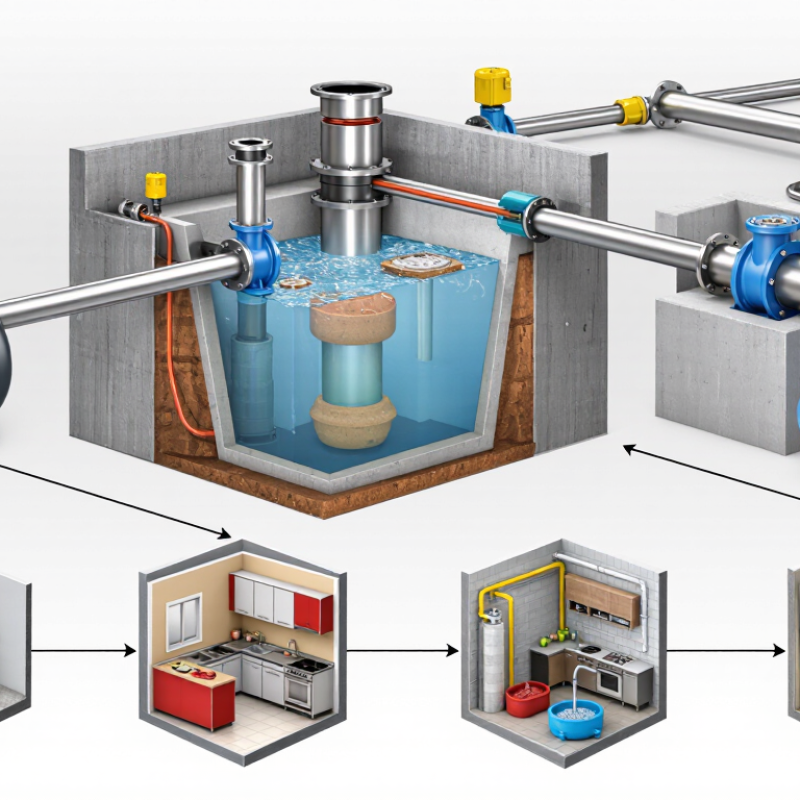
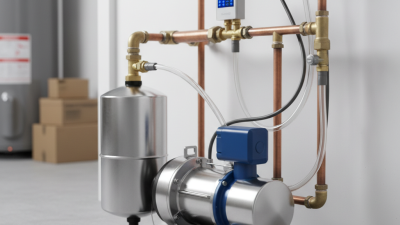
Sewage pump systems move wastewater when gravity cannot provide enough flow. They are common in basements, low-lying homes, and commercial facilities. A typical system uses a sealed collection basin, a pump, discharge piping, check valves, and an alarm. Wastewater enters the basin through a buried or indoor drain. The pump remains submerged or sits beside the basin.
As the water level rises, a float switch or electronic sensor activates the motor. The impeller then pushes wastewater through the discharge pipe toward a sewer connection or treatment tank. A check valve prevents wastewater from flowing backward after shutdown. A vent helps control pressure and unpleasant gases. Some systems use a grinder pump for smaller waste passages. Others use non-clog impellers for larger solids and heavier flow. The right choice depends on pipe size, lift height, wastewater volume, and solids content.
Duplex systems use two pumps. They alternate during normal operation and share the load during peak periods. This design also provides backup when one pump needs service. Reliable installation requires correct pipe sizing, stable electrical protection, and accessible controls. Technicians should test the alarm and float movement regularly. They should also inspect the check valve for leakage. No system is flawless. A pump may run normally while a blocked vent quietly creates pressure problems. That detail is easy to miss. Record unusual sounds, slow drainage, and frequent cycling before a small fault becomes an expensive repair.
Sewage pump selection begins with the solids, flow rate, and lifting height. Submersible sewage pumps sit inside the wet well and handle wastewater directly. Their sealed motors reduce noise and save floor space. They suit residential stations and compact municipal installations. However, poor cable sealing can cause costly failures. I have seen small maintenance errors become major shutdowns.
Non-clog pumps use wider passages and curved impellers. They move rags, wipes, and suspended solids with fewer blockages. Vortex pumps create a recessed flow path, reducing contact between solids and the impeller. They work well where clogging risks remain unpredictable. Grinder pumps cut solids into smaller particles before discharge. They fit narrow pressure sewers, but cutting systems may require higher energy.
Dry-pit systems place the pump and motor outside the wet well. Technicians can inspect them without entering a confined chamber. These systems support demanding municipal flows, yet they need more building space and careful suction design. The U.S. Environmental Protection Agency’s 2022 Clean Watersheds Needs Survey estimated $630.1 billion in wastewater infrastructure needs over 20 years. That figure highlights the value of maintainable equipment. The WHO and UNICEF Joint Monitoring Programme reported that 3.5 billion people lacked safely managed sanitation in 2022. Reliability is not a luxury. Flow sensors, standby capacity, and automatic controls deserve equal attention. Designers sometimes specify oversized pumps for safety, but that choice can increase energy use and cycling. The right system is rarely the largest one.
What Are the Top Sewage Pump Systems?
Key Components and Performance Features
Top sewage pump systems are built around reliable solids handling, stable flow, and safe operation. In field inspections, I look closely at the impeller, motor housing, basin, and discharge pipe. A non-clog impeller helps move wastewater containing fibers and larger solids. However, no impeller handles every blockage. That detail is often overlooked.
The motor should match the required duty point, including flow rate and total head. Thermal overload protection can reduce damage during long operating cycles. A sealed motor housing also limits moisture entry. For demanding sites, corrosion-resistant materials improve service life. The check valve prevents wastewater from flowing backward into the basin. A shutoff valve makes maintenance safer and easier.
Level controls are equally important. Float switches remain simple and practical, while pressure or ultrasonic sensors can provide more precise control. A dependable control panel should include high-level alarms, overload protection, and clear status indicators. I have seen systems fail because the alarm was installed too low, or the cable became trapped near the pump. Small installation mistakes matter. Pump curves, pipe friction, emergency capacity, and local safety requirements should be checked before selection. Good documentation helps operators notice unusual noise, rising run times, or repeated cycling before a serious failure develops.
Sewage pump selection commonly centers on submersible non-clog, vortex, grinder, and dry-pit centrifugal systems. The chart compares representative maximum solids-passage capacities used in municipal and commercial wastewater applications.
What Are the Top Sewage Pump Systems?
The top sewage pump system is not always the largest or most expensive. Choosing correctly starts with wastewater type, flow rate, lift height, and pipe length. A family home may need a different system than a restaurant or apartment building. Measure the basin depth and discharge route before comparing equipment. Solids-handling capacity matters. So does the pump’s duty cycle. A pump that runs continuously may fail early in a small pit.
How to Choose a Sewage Pump System
Check whether a non-clog or grinder pump suits the wastewater. Non-clog models usually handle larger solids with less cutting action. Grinder pumps can support narrower discharge pipes, but they require careful selection. Calculate total dynamic head, including vertical lift and pipe friction. Do not judge performance by motor power alone. In field inspections, poor sizing often causes short cycling, blocked lines, or overheated motors. The calculation may feel excessive, but guessing creates expensive problems. Choose a system with an alarm, check valve, shutoff valve, and accessible maintenance cover. Confirm that materials resist moisture and sewage gases. A qualified installer should also verify local plumbing and electrical requirements.
Tips: Leave enough room around the pump for service. Test the alarm before regular use. Keep a record of flow, head, and basin depth. Recheck your assumptions; the first estimate may be wrong.
| Sewage Pump System Type | Typical Flow Range | Typical Total Head | Solids-Handling Capability | Typical Motor Range | Recommended Installation | Key Advantages | Main Limitations | Best Use Case |
|---|---|---|---|---|---|---|---|---|
| Submersible Sewage Pump System | 5–500 m³/h 22–2,200 US gal/min |
5–80 m 16–262 ft |
Typically 40–100 mm solids passage, depending on impeller design | 0.75–75 kW | Installed directly in a wet well or collection tank | Quiet operation Space-saving Self-priming in service Low visual impact | Requires lifting equipment or guide rails for maintenance; seals and cables need regular inspection | Residential lift stations, municipal wet wells, and commercial wastewater collection |
| Dry-Pit Centrifugal Sewage Pump System | 20–2,000 m³/h 88–8,800 US gal/min |
8–100 m 26–328 ft |
Commonly 50–150 mm solids passage with vortex or non-clog impellers | 2.2–250 kW | Pump installed in a dry pump room with suction connected to the wet well | Easy access High capacity Efficient inspection Suitable for duty/standby layouts | Needs a dedicated dry structure, adequate ventilation, and protection against flooding | Large municipal stations, treatment plants, and industrial wastewater facilities |
| Grinder Sewage Pump System | 1–25 m³/h 4–110 US gal/min |
10–120 m 33–394 ft |
Cuts many soft solids into smaller particles; it is not intended for rocks, metal, or abrasive debris | 1.5–15 kW | Wet well, small basin, or packaged residential pumping station | High discharge pressure Small force mains Reduced pipe diameter | Cutting mechanism adds wear, power consumption, and maintenance; unsuitable for heavy grit | Low-flow systems with long or small-diameter force mains |
| Vortex Impeller Sewage Pump System | 5–500 m³/h 22–2,200 US gal/min |
5–60 m 16–197 ft |
Often 50–100 mm solids passage with reduced contact between solids and impeller | 0.75–90 kW | Submersible wet well or dry-pit installation | Good clog resistance Handles fibrous matter Robust design | Usually less hydraulically efficient than a close-clearance non-clog impeller at comparable duty | Wastewater containing rags, fibrous solids, and variable debris loads |
| Non-Clog Channel-Impeller System | 20–1,500 m³/h 88–6,600 US gal/min |
5–70 m 16–230 ft |
Typically 50–150 mm free passage, selected according to solids size and shape | 2.2–200 kW | Wet well or dry-pit station with an accessible discharge line | High hydraulic efficiency Large free passage Suitable for high flow | Performance can decline if the pump is operated far from its designed duty point | Municipal sewage stations requiring efficient high-volume pumping |
| Self-Priming Sewage Pump System | 10–500 m³/h 44–2,200 US gal/min |
5–70 m 16–230 ft |
Commonly 50–100 mm solids passage, depending on pump construction | 2.2–110 kW | Above-ground installation near a wet well or suction source | Accessible maintenance No submerged motor Useful for temporary systems | Suction lift, foot-valve condition, and priming performance must be carefully managed | Temporary bypass pumping, construction sites, and accessible above-ground stations |
| Packaged Duplex Sewage Lift Station | 2–150 m³/h 9–660 US gal/min |
5–60 m 16–197 ft |
Usually 40–100 mm solids passage, based on the selected pump configuration | 0.75–30 kW per pump | Factory-assembled tank with two alternating pumps, controls, and level sensors | Automatic duty alternation Standby capacity Fast installation Compact footprint | Tank volume, access openings, alarm wiring, and ventilation must match local requirements | Homes, apartment buildings, commercial properties, and small communities |
| Air-Operated Double-Diaphragm Sewage Pump | 0.1–60 m³/h 0.4–264 US gal/min |
Up to approximately 80 m 262 ft |
Can pass substantial solids; the exact size depends on the check-valve and diaphragm arrangement | Uses compressed air rather than an electric motor | Above ground, typically where compressed air is already available | Dry-run tolerant Portable Good for variable flow Suitable for hazardous areas with proper assessment | Compressed-air consumption can be high; pulsating flow and diaphragm wear require consideration | Industrial wastewater, sludge transfer, and intermittent or difficult pumping conditions |
Note: Flow, head, solids passage, and motor ranges are representative engineering ranges rather than guaranteed ratings. Final selection should be based on the actual duty point, wastewater composition, pipe friction, static lift, solids size, electrical supply, local codes, and required standby capacity.
The best sewage pump system depends on flow, solids, lift height, and access conditions.
Submersible systems suit wet wells with limited space. Dry-pit systems offer easier inspection, but require better ventilation and flood protection.
The U.S. Environmental Protection Agency estimates 23,000–75,000 sanitary sewer overflows occur annually, often because of blockages, excessive inflow, or equipment failure.
Correct sizing matters. Oversized pumps may short-cycle, while undersized pumps can overheat and overflow.
Installation should include a stable guide-rail system, a non-return valve, isolation valves, and an accessible lifting point.
The discharge pipe needs proper support, especially near bends and flexible joints. Electrical protection should include grounding, overload protection, and high-level alarms. A float switch should never be treated as the only safeguard. It can jam against grease or debris.
This is where designs often look sound but fail in dirty water.
Maintenance plans should record running hours, starts per hour, vibration, seal condition, and motor current. Remove settled grit before it reaches the impeller. Test alarms under controlled conditions, not only during emergencies.
Workers must isolate energy before opening equipment. Never enter a wet well without a documented permit-space procedure, atmospheric testing, ventilation, and a trained rescue plan.
NIOSH investigations have repeatedly shown that rescuers can become additional victims in confined-space incidents. The EPA’s collection-system guidance also links preventive maintenance with fewer overflows.
A practical weakness remains common: operators inspect the pump, but neglect the wet well, pipework, and alarm history. That narrow view deserves correction.
sale@harbertpump.com,
sale@harbertpump.com