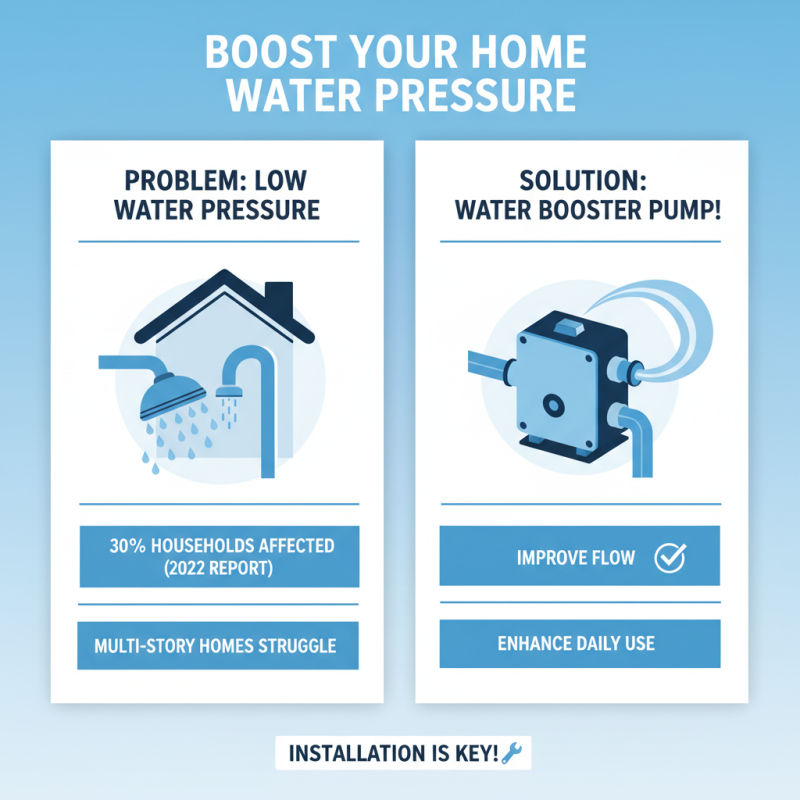
In many homes, inconsistent water pressure can be a frustrating issue. It affects daily activities like showering, washing dishes, and lawn maintenance. According to a recent industry report, nearly 30% of households experience low water pressure at some point. This problem can hinder efficiency and comfort.
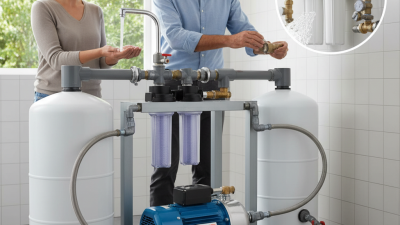
A reliable solution is the residential water booster pump. These devices are designed to augment existing water pressure, making them essential for homeowners facing pressure issues. They work quietly and efficiently, ensuring that every tap delivers an adequate flow. Additionally, advancements in technology have made these pumps more energy efficient and user-friendly.
However, selecting the right residential water booster pump can be challenging. There are many models available, each with unique features and specifications. Homeowners should consider factors such as flow rate, energy consumption, and installation requirements. It’s important to evaluate your specific needs. Not every pump will suit every home. Reflection on individual circumstances can lead to better decisions.
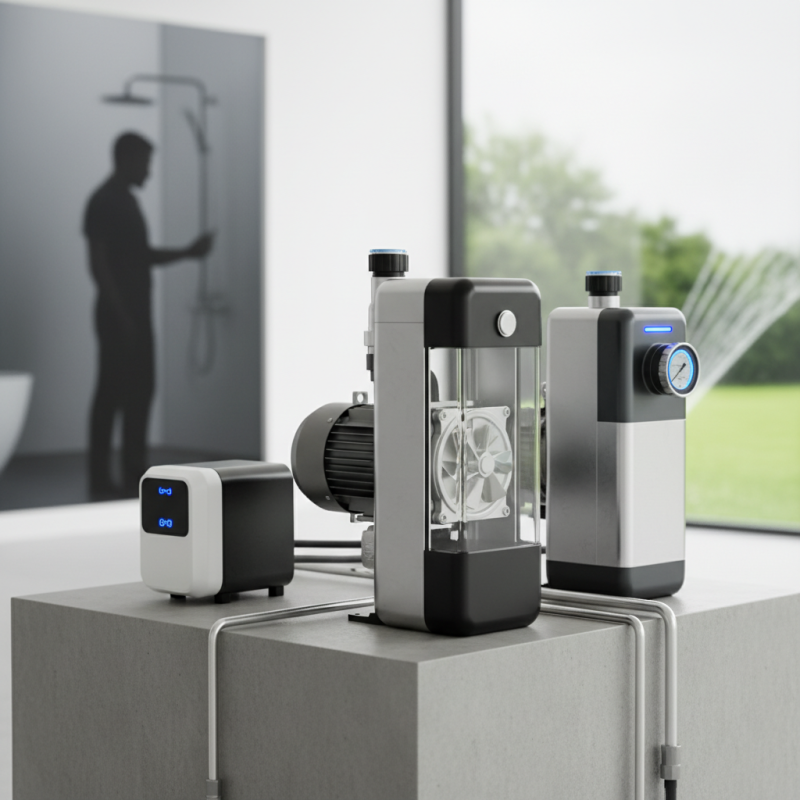
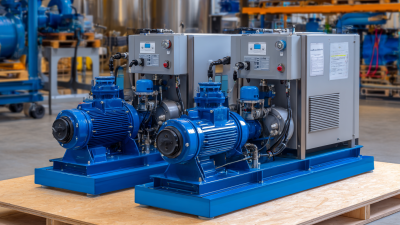
When considering residential water booster pumps, it's crucial to understand the types available in the market. These pumps enhance water pressure, ensuring consistent flow in households. Different types serve various needs. For instance, a multistage pump effectively increases pressure for multiple fixtures simultaneously. These are excellent for two-story homes or those with high water demand.
Another popular option is the inline booster pump. It's designed for specific applications, like boosting water to a single shower or faucet. This type is often quieter and easier to install. A study by the Water Systems Council indicated that many households experience low water pressure, affecting daily activities like showering and washing dishes. Understanding your home’s needs is essential in selecting the right type.
Variable speed pumps are another emerging trend. They adjust flow based on demand, making them energy-efficient. Reports suggest that homeowners can save up to 40% on energy bills compared to traditional pumps. Each type has pros and cons. Without proper knowledge, homeowners might choose an ill-suited pump. Considering local water supply conditions is essential.
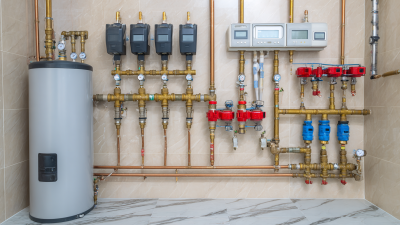
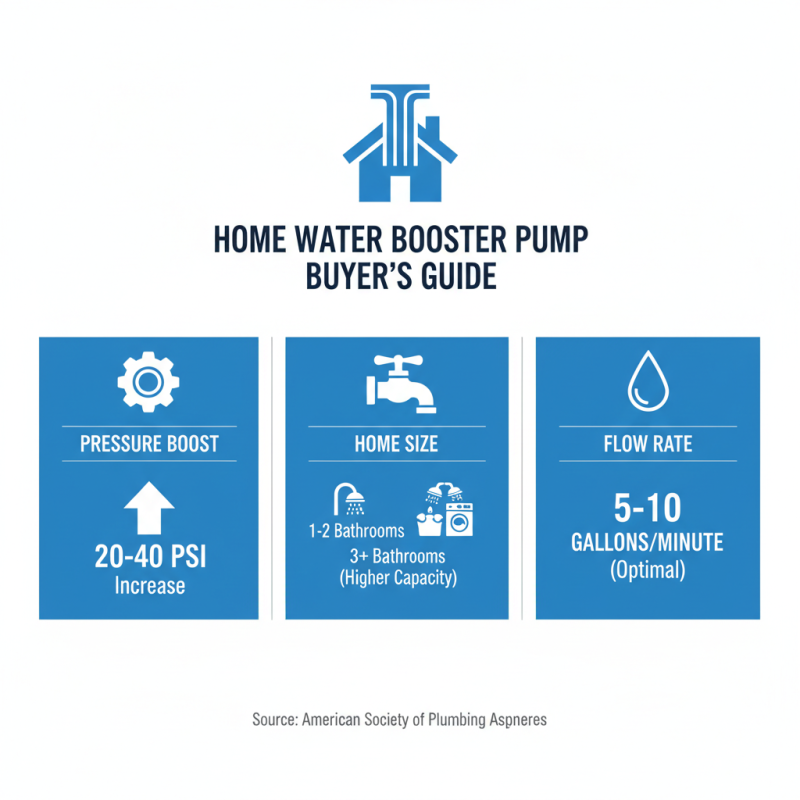
When choosing a water booster pump for your home, various factors come into play. The capacity of the pump is crucial. Most residential boosters can increase pressure by 20-40 PSI, depending on the model. Consider your home’s water demand. If you have multiple bathrooms, a higher capacity pump is essential. A study by the American Society of Plumbing Engineers suggests that average household water flow is around 5-10 gallons per minute for optimal usage.
Efficiency is another important factor. Look for pumps with energy-efficient designs to minimize your electricity bill. According to the U.S. Department of Energy, the right pump can reduce your water energy costs by up to 30%. Pay close attention to noise levels, too. Some pumps can be quite loud, impacting your home’s tranquility.
Tips: Always check the pump’s installation requirements. DIY installation can save money, but improper setup could lead to costly mistakes. Ensure that the pump meets your home’s specific PSI needs without excessive pressure, which can damage plumbing. Regular maintenance is also often overlooked. A pump that is not regularly serviced might falter unexpectedly, leaving you without water pressure when needed most. Consider these factors carefully for better home water management.
Installing a residential water booster pump can significantly improve water pressure in your home. According to a 2022 industry report, over 30% of households experience low water pressure issues. This installation process is crucial for enhancing daily water usage, especially in multi-story homes.
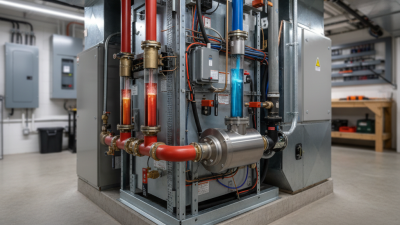
Begin by selecting an appropriate location for the pump. Ensure it is near the main water line, ideally in a basement or utility room. Look for a dry area with adequate drainage. You’ll need a power source; therefore, proximity to an outlet is essential. Gather the necessary tools, including wrenches, screwdrivers, and a level. Remember, safety is crucial, so consider wearing protective gear during installation.
After gathering your tools, turn off your water supply. Disconnect the existing water line. Connect the pump to the water line, making sure all connections are secure. Many users neglect to check for leaks, which can lead to future issues. Follow the manufacturer’s guidelines for wiring the pump, ensuring that all electrical connections are safe. Finally, turn on the water supply and check the system. Adjust settings as needed for optimal performance, but be prepared for adjustments based on your specific water needs.
Water booster pumps are essential for homes with low water pressure. Regular maintenance ensures they operate efficiently. A neglected pump can lead to increased energy bills and reduced performance.
To keep your pump in top shape, check the filters regularly. Clogged filters can restrict water flow. Cleaning these filters is a simple yet often overlooked task. Additionally, listen for unusual noises. Any strange sounds can indicate a problem.
Periodically inspect the pump for signs of wear. Small leaks might not seem serious but can cause bigger issues over time. Keeping the area around the pump clean helps prevent dirt and debris from affecting its function. Addressing minor concerns proactively can enhance the pump's lifespan.
Residential water booster pumps can significantly improve water pressure, but they often come with challenges. A common issue is noise. Many users report vibrations or whining sounds when the pump operates. Such noises can disrupt household tranquility. Data indicates that high decibel levels may affect comfort in homes, with recommended maximum levels around 60 dB for living spaces.
Another frequent problem is loss of pressure. This may stem from improper sizing of the pump. If a pump is too small, it won't keep up with demand. A recent industry report highlighted that over 30% of users are dissatisfied due to inadequate pressure. It's essential to assess your home's specific needs before purchasing a booster pump.
Maintenance is also crucial. Filters can clog, leading to performance issues. Regular checks can help prevent significant problems. Yet, many homeowners overlook this, resulting in decreased efficiency over time. The average lifespan of a pump is about 10 to 15 years, which can be shortened without proper care. Ultimately, awareness and routine maintenance can make a big difference in performance outcomes.
| Model | Max Flow Rate (GPM) | Max Pressure (PSI) | Power (HP) | Features |
|---|---|---|---|---|
| Pump A | 10 | 60 | 1.5 | Automatic Variable Speed, Quiet Operation |
| Pump B | 12 | 55 | 1.0 | Compact Design, Easy Installation |
| Pump C | 15 | 70 | 2.0 | Energy Efficient, Corrosion Resistant Body |
| Pump D | 8 | 50 | 0.75 | Easy Maintenance, Low Noise Level |
| Issue | Description | Solution |
|---|---|---|
| Low Water Pressure | Insufficient flow can affect daily tasks. | Adjust the pump settings or check for leaks. |
| Pump Not Starting | Pump failure to activate. | Check power supply and circuit breaker. |
| Excess Noise | Unusual sounds during operation. | Ensure pump is securely mounted and inspect for damage. |
| Vibration | Strong shaking during operation. | Check for proper alignment and loose components. |
sale@harbertpump.com,
sale@harbertpump.com