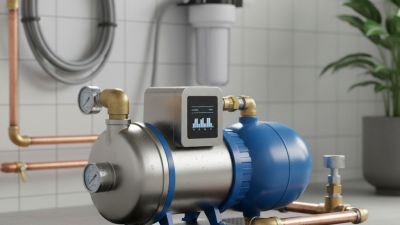
The global pressure pump market is projected to reach USD 12 billion by 2027, highlighting its significant role in various industries. Pressure pumps are crucial for applications in water treatment, oil and gas, and agriculture. Their efficiency and reliability can directly impact productivity and operational costs.
Several manufacturers stand out in the industry, recognized for their innovative solutions and advanced technologies. Companies like Grundfos and Cat Pumps lead the way, offering high-quality products that meet diverse market needs. Each manufacturer has its strengths, contributing to differing efficiency levels and durability metrics.
Despite advancements, challenges persist. Manufacturers must adapt to changing regulations and environmental concerns. The ongoing shift towards sustainability requires a balance between performance and eco-friendliness. Understanding these dynamics is essential for businesses looking to invest in pressure pump technologies.
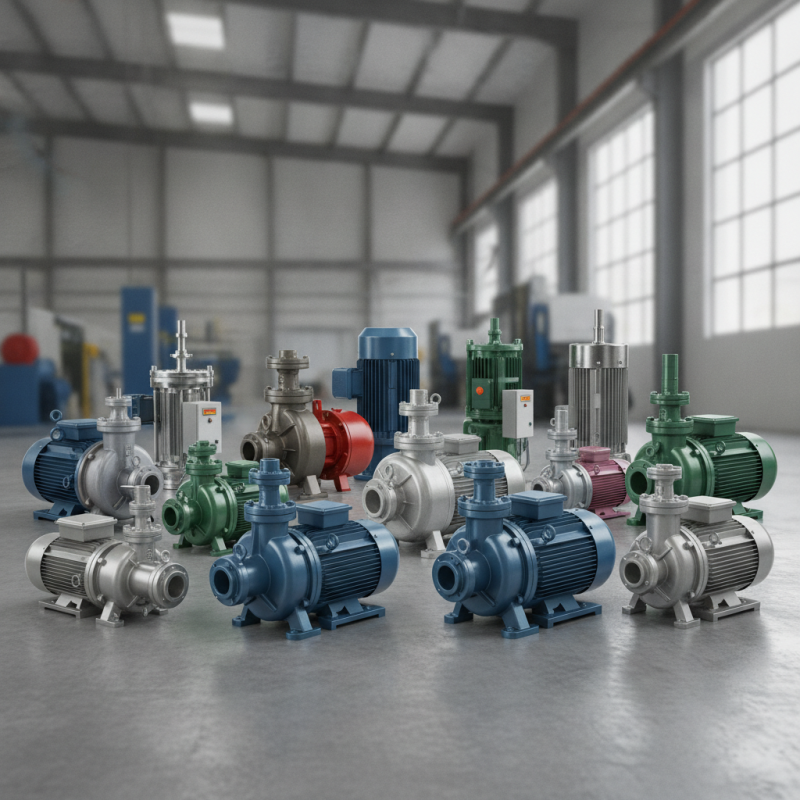
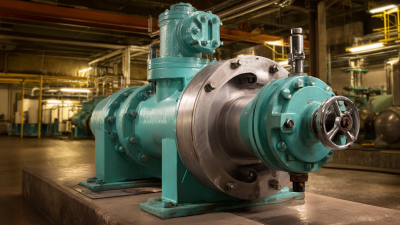
Pressure pumps play a crucial role in various industries. They are designed to move fluids and gases efficiently. The applications of pressure pumps range from agricultural irrigation to municipal water supply systems. These pumps ensure the delivery of water and other fluids under high pressure, making them essential for many operations.
In agriculture, farmers rely on pressure pumps to irrigate crops effectively. They help distribute water evenly across fields, promoting healthy plant growth. In industrial settings, pressure pumps are vital for processes such as cooling, heating, and cleaning. Their ability to maintain high pressure improves efficiency and productivity.
Tips: When selecting a pressure pump, consider its application. Not all pumps fit every need. Evaluate the required pressure and flow rate carefully. Regular maintenance is also critical for longevity. Checking seals and filters can prevent costly repairs. Ensure that the pump meets industry standards for safety and efficiency. This attention to detail can make a significant difference in performance.
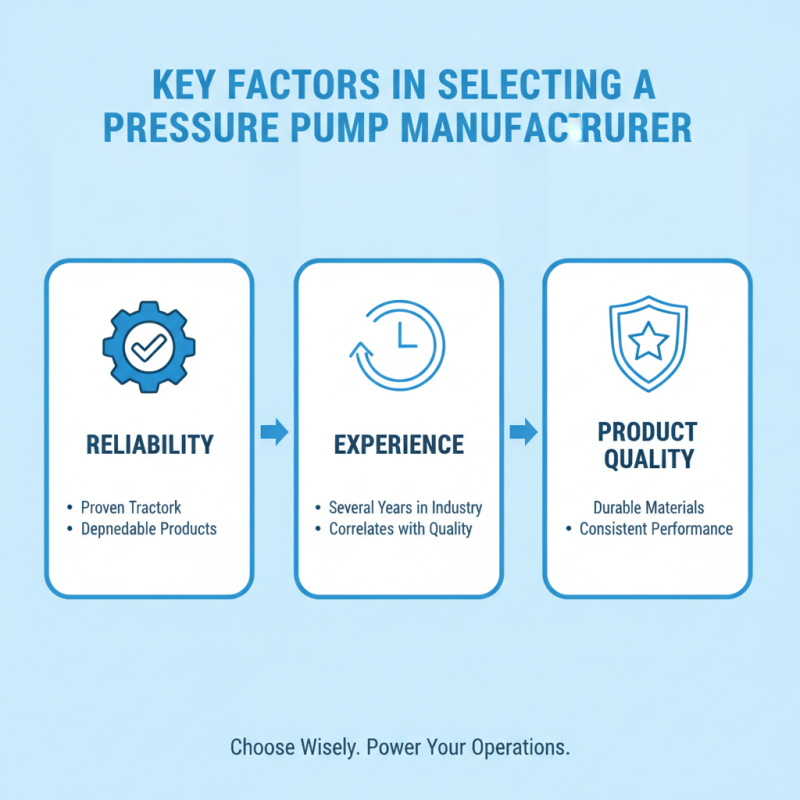
When selecting a pressure pump manufacturer, consider several key factors. Reliability is crucial. A manufacturer should have a proven track record of delivering dependable products. Look for companies that have been in the industry for several years. Experience often correlates with product quality.
Another important aspect is the range of products offered. A versatile manufacturer can provide pumps for different applications. This ensures you can find the right pump for your needs without having to switch brands. Evaluate their catalog thoroughly and check for specialized options.
Tips: Always ask for references from previous customers. Their feedback can provide insight into the manufacturer’s responsiveness and service quality. Don’t overlook warranty and support options. A solid warranty indicates the manufacturer’s confidence in their product.
Lastly, consider innovation. Companies that invest in research and development are likely to offer more advanced solutions. Review product specifications closely. Look for energy efficiency and ease of maintenance features. These factors can significantly impact long-term operational costs. Choose wisely to ensure a satisfactory investment.
When exploring the world of pressure pumps, various manufacturers stand out for their reliability and innovation. These companies are recognized for their extensive experience and technical expertise. They are known globally, producing pumps that cater to various industries. Their products are designed to handle diverse needs, from residential applications to large-scale industrial operations. Some companies focus on specific niches, ensuring their solutions are tailored and efficient.
Research indicates that the manufacturing processes of these companies often incorporate cutting-edge technology. This attention to detail enhances the pumps' performance and longevity. However, quality control remains a challenge. Some manufacturers do face scrutiny over inconsistent product standards, reminding us of the importance of investing in robust testing protocols. It highlights that even among top players, continuous improvement is essential to maintain trust.
The market for pressure pumps is competitive. Emerging brands challenge the status quo, pushing established manufacturers to innovate. Despite having strong market positions, leading companies must adapt to changing customer needs. Balancing tradition with innovation is a crucial area for reflection. As the industry evolves, collaboration between manufacturers and clients will foster smarter solutions and drive forward the capabilities of pressure pumps.
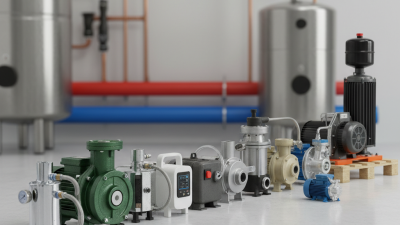
When it comes to selecting a pressure pump manufacturer, several key factors come into play. The market features companies with diverse specialties, technologies, and service offerings. Some focus on industrial applications, while others cater to residential needs. This diversity means that consumers must assess each manufacturer’s strengths and weaknesses based on their specific requirements.
Leading manufacturers often emphasize quality and innovation. Many invest in cutting-edge technologies, enhancing efficiency and reliability. Performance metrics, such as flow rate and pressure output, are critical. However, even top-tier manufacturers sometimes face challenges in consistency. Some products may not meet expectations in certain conditions, prompting questions about quality control processes. Evaluating customer feedback is essential. Reviews can reveal trends, highlighting common issues and areas for improvement.
Apart from performance, support services are vital. A pressure pump's lifespan can be affected by maintenance and repairs. Some manufacturers excel in providing comprehensive support, including readily available spare parts. Others may struggle with timely service, impacting customer satisfaction. Users should consider how each manufacturer addresses these facets. Overall, informed choices in pressure pump selection require a balanced understanding of each company's offerings and drawbacks.
The future of pressure pump manufacturing looks promising as technology continues to evolve. Efficiency and sustainability are becoming the key focus areas. Manufacturers are investing in smart technologies, enabling real-time monitoring. This could lead to improved performance and reduced downtime.
Tips: Consider how remote diagnostics can enhance your operation. It allows for quick troubleshooting, saving both time and resources.
Incorporating renewable energy sources into pump systems is gaining traction. Solar power, for example, can power pumps in remote locations. This shift not only cuts costs but also reduces environmental impact. However, transitioning can pose challenges, such as initial investment and infrastructure changes.
Tips: Assess the feasibility of renewable energy solutions. Sometimes, the long-term benefits outweigh the short-term hurdles, providing a sustainable path forward.
sale@harbertpump.com,
sale@harbertpump.com