Metal Sandwich Panel Roof systems combine exterior metal skins with an insulated core, creating a roof assembly designed for thermal control, weather protection, and efficient installation. Their performance depends on more than the panel itself. Core type, thickness, joint design, coatings, spans, and installation quality all matter. A small gap at a seam can undermine an otherwise well-specified roof.
The U.S. Department of Energy’s Buildings Energy Data Book identifies buildings as a major share of national energy use, making insulation and air control relevant parts of roof selection. The World Steel Association’s World Steel in Figures 2024 reports global crude steel production of about 1.89 billion tonnes in 2023. That scale offers useful supply-chain context, but it does not prove that any individual supplier delivers better panels. Details still vary.
This guide examines leading suppliers through practical criteria: published thermal and fire-performance data, product certifications, available panel profiles, warranty terms, lead times, and technical support. Buyers should also check whether test results apply to the exact panel configuration being quoted. A broad product catalogue is not enough. Supplier rankings can shift by region, project size, and specification, so this comparison is a starting point—not a substitute for reviewing current documentation and local project requirements.
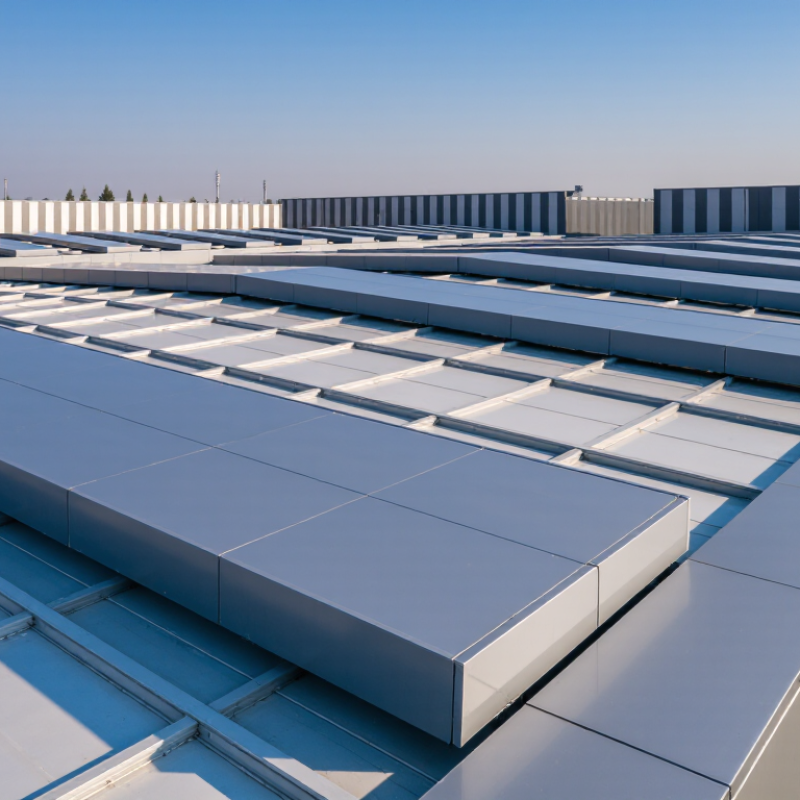
Metal sandwich panel roofs are factory-made assemblies with two metal sheets bonded to an insulating core. The core is commonly polyisocyanurate, polyurethane, or mineral wool. Panels arrive in long sections, with formed edges that lock together over purlins. That creates a roof and insulation layer in one product. It can reduce on-site assembly, but it does not remove the need for careful detailing.
The performance depends on more than the panel’s advertised insulation value. Core thickness, joint design, fasteners, and roof penetrations all affect heat flow and leakage. Small gaps matter. The 2023 Global Status Report for Buildings and Construction, published by UNEP and GlobalABC, estimates that buildings account for 34% of global energy demand and 37% of energy- and process-related carbon emissions. That context makes roof insulation important, but it does not prove a particular panel will deliver savings. Specify thermal performance for the complete assembly, and check condensation control, drainage, fire requirements, and local wind loads. A clean-looking joint can still be a weak point. Even good specifications need sound installation and inspection.
What Are the Top Metal Sandwich Panel Roof Suppliers? - What Are Metal Sandwich Panel Roofs?
Metal sandwich roof panels are factory-made building components consisting of two metal facings bonded to an insulating core. The table compares common supplier channels and practical selection criteria; it does not rank or endorse individual companies. Specifications vary by product and market.
| Supplier Channel | Typical Offering | Common Panel Construction | Typical Core Options | Common Panel Thickness Range | What to Verify Before Buying |
|---|---|---|---|---|---|
| Panel manufacturer | Factory-produced roof panels, technical documentation, and project-specific product options. | Profiled metal outer facings bonded to an insulating core; joint and fastening details are product-specific. | PIR or PUR foam, mineral wool, or EPS, depending on the product range and local requirements. | Many product ranges include options from about 30 mm to 200 mm; availability varies. | Declared thermal performance, fire classification, structural load tables, coatings, warranties, and delivery scope. |
| Regional panel fabricator | Panels or panel systems supplied for local construction markets, sometimes with regional stock and support. | Metal facings with an insulated core, supplied in specified lengths and profiles. | Core choices depend on the fabricator’s equipment, product approvals, and local demand. | Confirm the available thicknesses for the specific roof profile and core. | Product test reports, applicable building-code documentation, manufacturing tolerances, and installation guidance. |
| Building-material distributor or importer | Panels sourced from one or more manufacturers, often supplied with complementary roofing materials. | Finished insulated panels; the distributor may not manufacture or test the product. | Options depend on the sourced product line; confirm the exact core rather than relying on a general description. | Check the stock list and the manufacturer’s technical datasheet. | Original manufacturer details, traceable datasheets, lead times, replacement-panel availability, and warranty responsibility. |
| Cold-storage and industrial-envelope specialist | Panels and accessories selected for temperature-controlled, industrial, or other demanding building envelopes. | Insulated roof panels with system-specific joints, fasteners, and sealing details. | Often includes foam-core options; mineral-wool products may be available where specified. | Thickness is selected for the project’s thermal and structural requirements; confirm product limits. | Air and water sealing details, condensation design, fire requirements, panel joints, and compatibility with wall panels. |
| Project engineering or roofing-system supplier | Panel selection support, roof-system design coordination, and related components or installation services. | Panels specified as part of a complete roof assembly rather than as a stand-alone material. | Selected to meet the project brief and applicable code requirements. | Determined by the specified product and design; no single thickness suits every roof. | Wind uplift and other design loads, support spacing, roof pitch, drainage, penetrations, and installation responsibility. |
| General supplier-selection criteria | Compare suppliers using documented product performance and project support, not price alone. | A metal sandwich roof panel is not interchangeable with every other insulated panel system. | Core choice affects thermal, fire, acoustic, and other properties; assess the actual tested product. | Choose thickness using project calculations and the manufacturer’s published data. | Request current datasheets, test documentation, load tables, installation instructions, coating information, and written warranty terms. |
sale@harbertpump.com,
sale@harbertpump.com,
sale@harbertpump.com,
sale@harbertpump.com,
sale@harbertpump.com