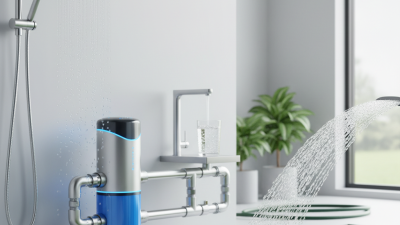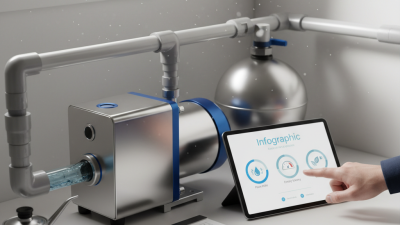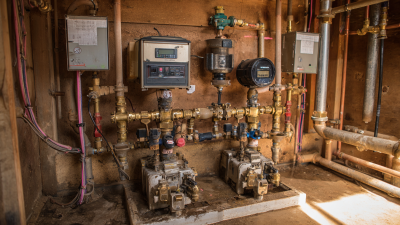
When considering HVAC pumps for global sourcing, it’s essential to understand the diverse options available. An HVAC pump plays a critical role in various heating, ventilation, and air conditioning systems. These pumps ensure efficient fluid movement, vital for maintaining temperature stability and comfort in residential and commercial spaces.
Selecting the right HVAC pump can be daunting due to the extensive range of features and specifications. For instance, some pumps excel in energy efficiency, while others prioritize durability. This variability can lead to a confusing decision-making process. Engaging with experts in the field is pivotal, as their insights can greatly enhance your understanding of each option, helping you make informed choices.
Moreover, recognizing the specific needs of your project is crucial. Factors such as system size, climate, and installation requirements drastically influence the decision. As you navigate this complex landscape, reflecting on your sourcing criteria will ensure you find the right HVAC pump for your objectives. A well-chosen pump can lead to comfort and efficiency, while a rushed decision may result in frequent repairs or suboptimal performance.
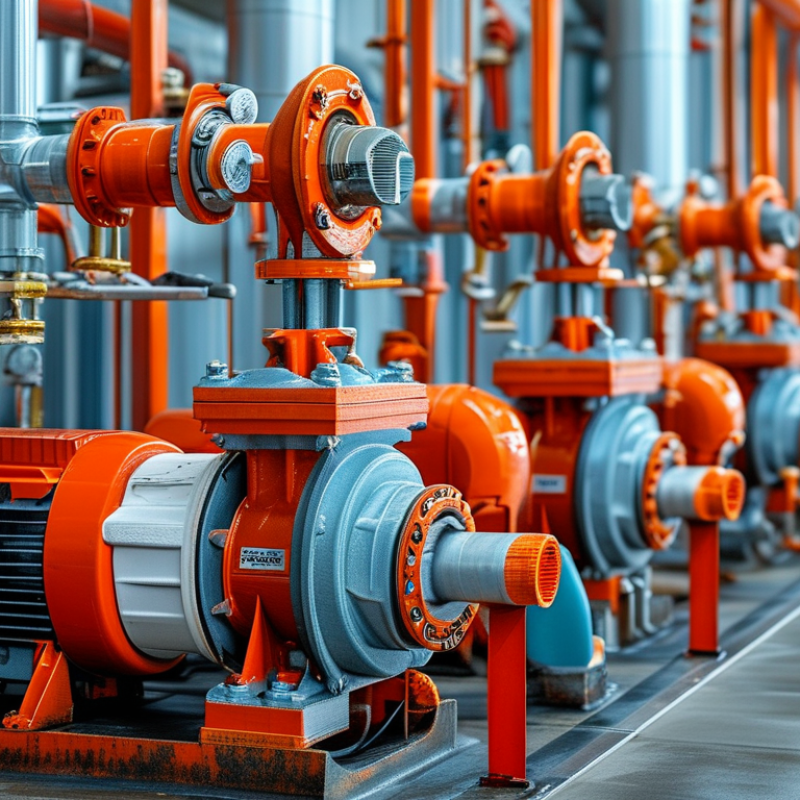
When considering HVAC pumps, it's essential to know their features and benefits. HVAC pumps provide efficient circulation of heating and cooling fluids. Proper selection impacts system efficiency and longevity. Key features include noise levels, energy efficiency, and maintenance needs. Choosing the right pump can also improve indoor air quality.
Tips for selection: Analyze your system’s size and specific cooling needs. Small systems may benefit from compact, quiet pumps. Meanwhile, larger systems might need powerful pumps. Don't forget to assess the installation area. A pump that fits well will reduce installation costs and time.
Consider your budget but balance it with reliability. Sometimes, cheaper options lead to higher long-term maintenance costs. It's wise to keep an eye on warranty options. Good warranties suggest manufacturer confidence in their product. Remember to reflect on feedback from existing users to identify potential issues. This proactive approach can save time and resources.
| Pump Type | Flow Rate (GPM) | Head Range (ft) | Power Consumption (HP) | Material | Key Features |
|---|---|---|---|---|---|
| Centrifugal Pump | 20-500 | 10-100 | 1-15 | Cast Iron | High efficiency, low maintenance |
| Positive Displacement Pump | 5-100 | 20-50 | 0.5-5 | Stainless Steel | Handles viscous fluids, precise flow control |
| Submersible Pump | 10-200 | 15-80 | 1-10 | Aluminum | Compact design, high head capability |
| Diaphragm Pump | 3-50 | 10-30 | 0.25-3 | Plastic | Chemical resistance, low shear |
| Gravity Pump | Varies | N/A | N/A | Metal | Simple design, low cost |
| Gear Pump | 2-100 | 15-100 | 0.5-3 | Bronze | Constant flow, compact design |
| Vane Pump | 10-120 | 20-70 | 0.75-5 | Steel | Low noise, high viscosity handling |
| Multistage Pump | 20-400 | 20-300 | 2-20 | Cast Iron/Stainless Steel | High pressure, energy efficient |
| Turbine Pump | 50-600 | 30-200 | 5-25 | Composite | High efficiency, for deep applications |
| Fountain Pump | 10-150 | 10-50 | 0.5-3 | Plastic/Metal | Decorative applications, energy-efficient |
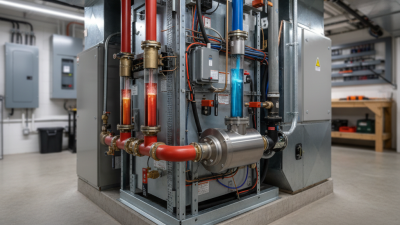
When selecting HVAC pumps for global sourcing, specific factors must be considered to ensure maximum efficiency and longevity. One significant aspect is pump capacity. According to the American Society of Heating, Refrigerating and Air-Conditioning Engineers (ASHRAE), selecting a pump that meets the exact capacity requirements is crucial. Over-sizing can lead to increased energy costs and reduced system performance.
Another vital factor is the material used in pump construction. Corrosion-resistant materials enhance the pump’s lifespan. A report by the International Journal of HVAC&R suggests that more robust materials can increase the overall reliability of the system by up to 30%.
Tips: Always evaluate the energy efficiency ratings of pumps. Look for units that meet or exceed the latest standards to save on operational costs. Additionally, assess maintenance needs; some pumps require more frequent servicing, which can drive total costs up.
Ultimately, ensuring compatibility with existing systems is critical. Mismatched components can lead to inefficiencies. A detailed analysis of compatibility can prevent costly mistakes. Consider potential adjustments early in the sourcing process to alleviate future complications.
When selecting HVAC pumps, understanding various brands is crucial. Reports indicate that energy efficiency is a top concern, with many industries aiming to improve sustainability. Choosing the right pump can significantly impact operational costs. It's vital to assess the pump's efficiency rating and maintenance needs.
Many HVAC pumps vary in design and functionality. Some models focus on low noise levels, while others prioritize high-pressure capabilities. A recent survey revealed that over 70% of HVAC professionals consider reliability a key factor. The lifespan of pumps can differ widely, which influences sourcing decisions. Investing in pumps with longer warranties can save costs long term.
Technical support and availability of spare parts are also essential. Industry studies emphasize that easy access to replacements leads to lower downtime. Some users report challenges with high initial costs, which can deter effective long-term investment. But, weighing the total cost of ownership might reveal a different perspective. This requires careful analysis of performance data and overall value.
The HVAC pump industry is rapidly evolving, with innovations driving increased efficiency and sustainability. Recent reports indicate that energy-efficient pumps can reduce operational costs by up to 30%. This shift is crucial for meeting global energy standards while optimizing performance. Advanced technology in smart pumps allows for real-time monitoring and adjustments. These systems can respond to varying demand, ensuring optimal operation conditions.
In addition to energy savings, new materials and designs enhance pump durability. For instance, ceramic and composite materials resist corrosion, extending the lifespan of pumps in diverse environments. This innovation leads to fewer replacements and reduced waste. However, the transition to these advanced technologies is not without challenges. Many operators find it difficult to adapt to new systems. Training and support are essential to maximize the benefits of these innovations.
The integration of Internet of Things (IoT) technology has also transformed HVAC pumps. Real-time data collection allows for predictive maintenance, minimizing downtime. Studies suggest that predictive maintenance can increase pump efficiency by up to 25%. Yet, the reliance on technology raises concerns about data security and system vulnerabilities. Companies must address these issues to fully leverage the advantages of modern HVAC pump technologies.
The following bar chart illustrates the estimated efficiency ratings (in %) of the top 10 HVAC pumps, reflecting innovations in HVAC pump technology that enhance efficiency across various applications.
When sourcing HVAC pumps globally, understanding market dynamics is crucial. A recent report by MarketsandMarkets estimates the HVAC pump market will grow from USD 10 billion in 2021 to nearly USD 13 billion by 2026, indicating a significant demand for efficient pumps. However, this growth presents challenges in terms of quality and compliance. Many suppliers may not meet stringent international standards, leading to potential issues in reliability.
Fostering strong relationships with suppliers is essential. Engaging in regular audits can reveal the actual manufacturing conditions. Transparency in sourcing is vital. In the HVAC industry's global landscape, a lack of transparency can lead to undetected quality issues. Moreover, variations in regional regulations can impact product performance and compliance, making due diligence even more important.
Training staff on best sourcing practices can enhance decision-making. According to the Association of Energy Engineers, about 30% of energy usage in commercial buildings comes from HVAC systems. Thus, investing in high-quality pumps is a long-term cost-saving strategy. By adopting a proactive sourcing strategy, companies can address these complexities while ensuring they procure reliable and compliant HVAC pumps.
sale@harbertpump.com,
sale@harbertpump.com