
The gas station industry in China has shown remarkable growth over recent years. According to a report by the International Energy Agency, China's gasoline consumption has increased significantly, leading to a booming market for gas stations. As global buyers seek reliable partners, understanding the landscape of gas stations in China becomes crucial.
Notably, the top gas stations offer more than just fuel; they provide a range of services. From convenience stores to car washes, these stations enhance customer experience. However, challenges exist, such as fluctuating fuel prices and regulatory changes. Buyers must navigate these complexities to ensure successful partnerships.
Additionally, many gas stations are adapting to environmental standards. This includes incorporating electric vehicle charging stations. As of 2023, the number of such stations has risen sharply, reflecting a shift towards sustainability. Nonetheless, there are still gaps in service quality and infrastructure. Exploring both the advantages and drawbacks of the top gas stations will guide international buyers in making informed decisions.
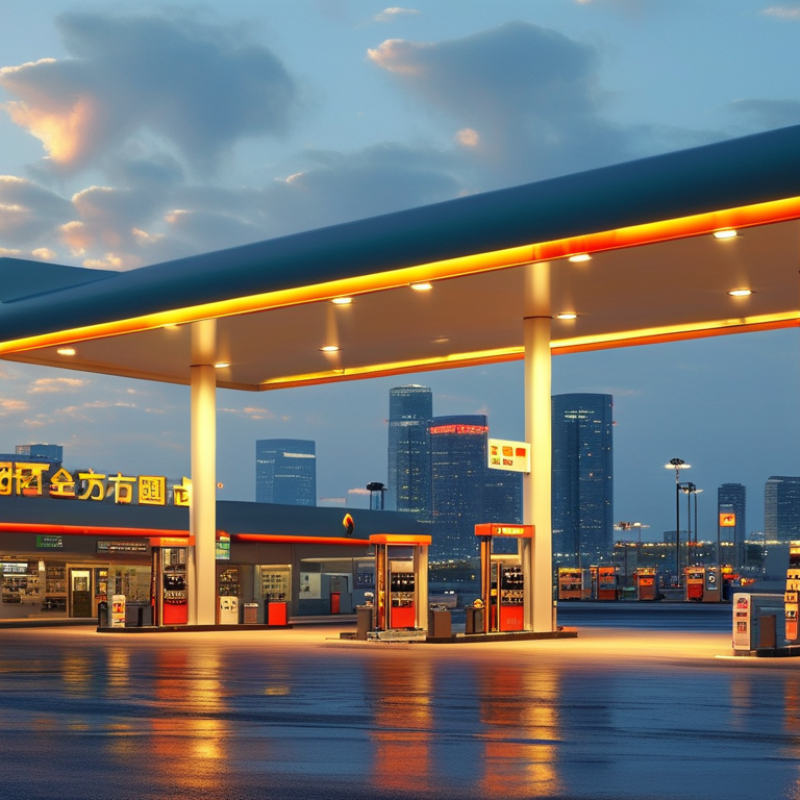
The gas station industry in China has rapidly developed over the past two decades. China's automotive market has grown significantly, leading to increased fuel demand. This trend has prompted the expansion of gas stations across both urban and rural areas. Many gas stations now offer additional services, such as convenience stores and car washes, enhancing customer experience.
However, the industry faces challenges. Environmental concerns are rising as China pushes for cleaner energy. Some gas stations struggle to adapt. There is a growing need for innovation to meet stricter regulations and consumer preferences. Additionally, many smaller stations find it hard to compete with larger players. This discrepancy can lead to service inconsistencies, often leaving customers with subpar options.
Understanding these dynamics is crucial for global buyers interested in China’s gas station market. Researching local laws and regional trends can help identify opportunities. Moreover, learning from both successful and struggling stations provides insights into how to navigate this complex industry effectively.
When selecting top gas stations in China, several criteria come into play. One important factor is accessibility. Gas stations should be conveniently located. Proximity to major highways and urban areas can enhance their appeal to global buyers. A well-positioned gas station attracts more customers and ensures a steady business flow.
Quality of fuel is another crucial criterion. Global buyers need assurance that the fuel meets international standards. Reliable stations conduct regular quality checks to ensure optimal performance for vehicles. It’s worth noting that not all stations maintain these standards consistently, leading to potential issues.
Customer service ultimately shapes the user experience. Friendly staff and efficient service can make a significant difference. However, some stations fall short in training personnel effectively, leading to frustrating experiences for customers. A gas station that prioritizes its customers can enhance its reputation immensely, contributing to long-term success in a competitive market.
| Rank | Location | Fuel Type | Price per Liter (CNY) | Customer Rating | Services Offered |
|---|---|---|---|---|---|
| 1 | Beijing | Gasoline, Diesel | 7.00 | 4.8 | Car Wash, Convenience Store |
| 2 | Shanghai | Gasoline | 7.20 | 4.6 | Snack Bar, Restroom |
| 3 | Guangzhou | Gasoline, LPG | 6.90 | 4.7 | Electric Charging, Repair Shop |
| 4 | Shenzhen | Gasoline | 7.10 | 4.5 | Food Stand, ATM |
| 5 | Chengdu | Gasoline, Diesel | 6.85 | 4.4 | Convenience Store, REST Pod |
| 6 | Hangzhou | Gasoline | 7.05 | 4.6 | Car Rental, Restaurant |
| 7 | Wuhan | Diesel | 6.95 | 4.5 | Snack Bar, Electric Charging |
| 8 | Xi'an | Gasoline, LPG | 6.80 | 4.3 | Repair Shop, Restroom |
| 9 | Nanjing | Gasoline | 7.15 | 4.4 | Car Wash, Food Stand |
| 10 | Tianjin | Gasoline, Diesel | 7.00 | 4.6 | Convenience Store, ATM |
When exploring the top gas stations in China, global buyers should focus on several key factors including service quality and environmental practices. Research indicates that fuel quality is paramount, as it directly influences vehicle performance. According to industry reports, around 70% of buyers prioritize reputable stations that offer premium gasoline, which can enhance engine efficiency and longevity.
Additionally, sustainability efforts are increasingly relevant. Many stations implement eco-friendly practices, such as waste recycling and emissions reduction. A recent study highlighted that 60% of consumers are more likely to utilize stations that demonstrate a commitment to green initiatives. This trend underlines the growing awareness of environmental responsibility among fuel providers in China.
While the competitive landscape in China's gas station market is evolving, challenges remain. Notably, customer service can vary significantly. A small percentage of stations receive frequent complaints regarding long wait times and inadequate amenities. Buyers should consider these aspects while making informed choices, ensuring a satisfactory refueling experience in their travels across China.
When exploring gas stations in China, global buyers will find a range of unique features. Many stations offer convenience stores, providing snacks and beverages. Some locations even have clean restrooms, a rarity in many countries. Fuel options may include standard, high-octane, and alternative fuels like compressed natural gas. This variety caters to diverse vehicle needs and preferences.
Customer service is another critical aspect. Some stations employ friendly staff who can assist with payment methods, which may include mobile payments. Loyalty programs are common, offering discounts or points for frequent users. However, not all stations maintain the same level of service, leading to occasional frustrations. It’s essential to check reviews for insights into service quality at different locations.
In addition to fuel and convenience, many stations integrate tech-driven services. Some offer free Wi-Fi, making them ideal stops for travelers. Others provide apps to track fuel prices and locate the nearest station. While these amenities enhance the experience, users may find variability in app functionality and network stability. Being aware of these differences can significantly impact your travel plans in China.
The gas station market in China is evolving rapidly. Recent trends show a significant shift towards electric vehicle (EV) charging facilities. This change reflects the country's commitment to sustainability. As more drivers shift to EVs, gas stations must adapt to remain relevant. Traditional fuels are gradually being supplemented by alternative energy sources.
Investors should pay attention to urban areas, where demand is changing. Major cities are seeing an increase in hybrid energy stations. These sites often offer diverse services, appealing to a broader customer base. However, the integration of new technologies can be challenging for existing operators. There may be hurdles in transitioning from traditional fuel dispensers to charging stations.
Moreover, regulatory frameworks are constantly changing. This can be a double-edged sword for investors. On one hand, supportive policies promote renewable energy. On the other hand, navigating these regulations can be complex and time-consuming. Investors need to stay informed on these developments. Understanding the market dynamics is crucial for success in this rapidly evolving landscape.
sale@harbertpump.com,
sale@harbertpump.com