In the rapidly growing energy sector, gas station suppliers play a vital role. China has emerged as a major hub for gas station equipment and services. Global buyers are increasingly looking to partner with reliable suppliers in China to enhance their operations.
These suppliers offer a diverse range of products. From fuel pumps to storage tanks, quality matters. Yet, not all suppliers maintain high standards. Choosing the right partner requires careful evaluation. Buyers need to assess the supplier's track record and certifications. Transparent communication is crucial to establish trust.
Navigating the marketplace can be daunting. There are numerous options, each with varying reliability. Researching and seeking testimonials can help mitigate risks. Buyers should remain vigilant and reflect on their unique needs. The right gas station supplier can ensure smooth operations and long-term success.
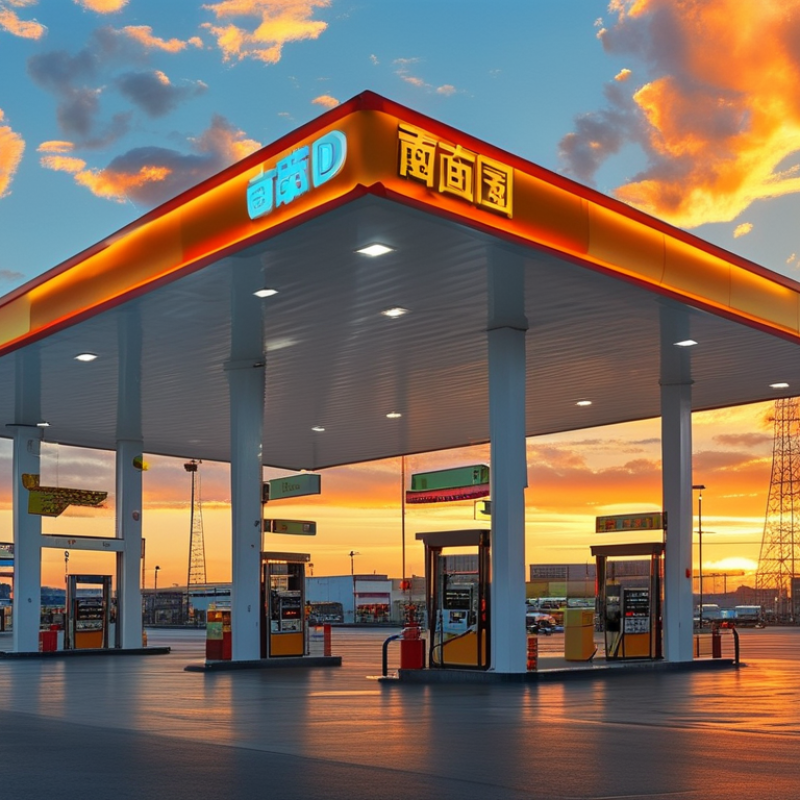
The gas station supply market in China is experiencing robust growth. Current projections indicate a compound annual growth rate (CAGR) of over 6% from 2021 to 2026. This expansion is driven by rising fuel consumption and the growing number of vehicles. In 2022, China's motor vehicle population reached more than 300 million, significantly increasing demand for gas stations and their supplies.
Moreover, the trend toward modernization is reshaping the sector. Many stations are adopting advanced technologies like smart pumps and payment systems. Reports show that over 40% of new gas stations incorporated digital payment solutions in the last two years. This move not only enhances customer experience but also improves operational efficiency.
Tips for navigating this market: Focus on suppliers who prioritize sustainable practices. Transparency in sourcing fuel and materials can build trust with customers. Additionally, consider partnerships with tech companies to innovate service offerings. Embracing modernization may present challenges, yet it is essential for long-term success in this competitive landscape.
China's gas station supplier industry is evolving rapidly. Recent reports highlight the market's growth, with a projected CAGR of 6% from 2023 to 2028. This expansion is fueled by increasing fuel demand and the push for advanced technology. The market is witnessing significant investments in automation and digital solutions.
Key players in this sector have varied strengths. Many companies focus on fuel dispensing systems, while others specialize in convenience store integration. The rise of electric vehicle charging solutions is also reshaping the supply chain. A data report from the China Petroleum and Chemical Industry Federation indicates that supply reliability remains a concern for many operators, especially in rural areas.
There is also a notable skill gap in the workforce. Training programs need improvements to keep pace with technological advancements. Additionally, the supply chain logistics can be inefficient. Local suppliers often grapple with inconsistent quality, leading to operational challenges. Addressing these issues is vital for sustainable growth in this competitive market.
| Supplier Type | Annual Revenue (Million USD) | Number of Employees | Headquarters Location | Market Share (%) |
|---|---|---|---|---|
| Fuel Supply | 250 | 500 | Beijing | 35 |
| Equipment Manufacturer | 180 | 300 | Shanghai | 25 |
| Construction Services | 150 | 400 | Guangzhou | 20 |
| Technology Solutions | 120 | 250 | Shenzhen | 15 |
| Logistics Services | 200 | 350 | Hangzhou | 30 |
When selecting gas station suppliers, global buyers consider several key factors. The reliability of supply chains is crucial. A recent report suggests that 40% of buyers prioritize the consistency of fuel delivery. Disruptions can lead to significant losses.
Another influencing factor is compliance with international quality standards. Suppliers must meet various regulations. Failure to comply can affect trust and business relationships. Research indicates that 35% of buyers are willing to pay more for suppliers who adhere to these standards.
Buyers are also focused on technological advancements. Efficient payment systems and inventory management software are strong selling points. These innovations streamline operations and reduce costs. However, not all suppliers keep up with technology. This gap can create challenges for buyers seeking modern solutions. Understanding these dynamics is essential for making informed supply choices.
Sourcing gas station supplies from China presents several challenges for global buyers. The intricate landscape of suppliers can be daunting. Research from the National Bureau of Statistics indicates that China's fuel retail sales have exceeded $520 billion in recent years. This growth has led to a plethora of suppliers, making it hard for buyers to identify reliable partners. Quality assurance is often a primary concern. In 2022, about 30% of imported products faced quality issues, according to trade reports.
Complex regulatory environments further complicate sourcing. Policies can vary significantly between provinces. Proactive buyers need to stay informed about local regulations that affect imports. The China Customs Authority reported a 15% increase in inspections for gas station equipment, raising the stakes for compliance. Many international buyers feel overwhelmed by these requirements. They often lack local knowledge and networks, hindering their ability to navigate the Chinese market effectively.
Cultural differences also play a role. Communication barriers can lead to misunderstandings and delays. Buyers must develop a solid understanding of Chinese business etiquette to foster good relationships. Industry surveys reveal that 40% of international buyers cite communication issues as a major hurdle. The emphasis on building trust is crucial. Working with local intermediaries can help mitigate these risks but might introduce new challenges. Balancing quality, compliance, and cultural understanding is essential in this complex landscape.
The gas station supply sector in China is evolving rapidly. With the rise of electric vehicles and environmental concerns, traditional fuel demand may decline. However, this shift creates opportunities. Suppliers must adapt by providing innovative solutions and embracing new technologies.
Digital advancements are essential. Smart fueling systems are emerging, streamlining processes for operators and enhancing customer experiences. Yet, this technology shift is not without challenges. Training staff to manage these systems can be difficult. Additionally, maintaining quality control across various suppliers is crucial for sustainable growth.
Global buyers are increasingly interested in eco-friendly options. This trend, while promising, requires suppliers to invest in renewable energy sources. Implementing these new systems may involve high initial costs. Suppliers must weigh these investments against future demands. Balancing sustainability with profitability is key as the market continues to evolve.
sale@harbertpump.com,
sale@harbertpump.com