2026 Top Fire Pump Models You Need to Know?
In 2026, understanding fire pump technology is vital for effective fire safety. Fire pumps play a crucial role in emergency response. According to the National Fire Protection Association (NFPA), approximately 60% of fire-related fatalities occur in homes with inadequate fire suppression systems.
The performance of fire pumps can significantly impact firefighting efforts. Research from the Fire Pump Manufacturers Association indicates that modern fire pumps have increased efficiency and reliability. Choosing the right model could save lives and property.
However, not all fire pumps are created equal. Many factors, such as water supply and pump design, can affect performance. A report from the Federal Emergency Management Agency (FEMA) highlights the need for regular inspection and maintenance of these systems. Understanding differences among the top fire pump models becomes essential for anyone involved in fire protection.
Overview of Fire Pump Types: An Introduction to Fire Pump Models
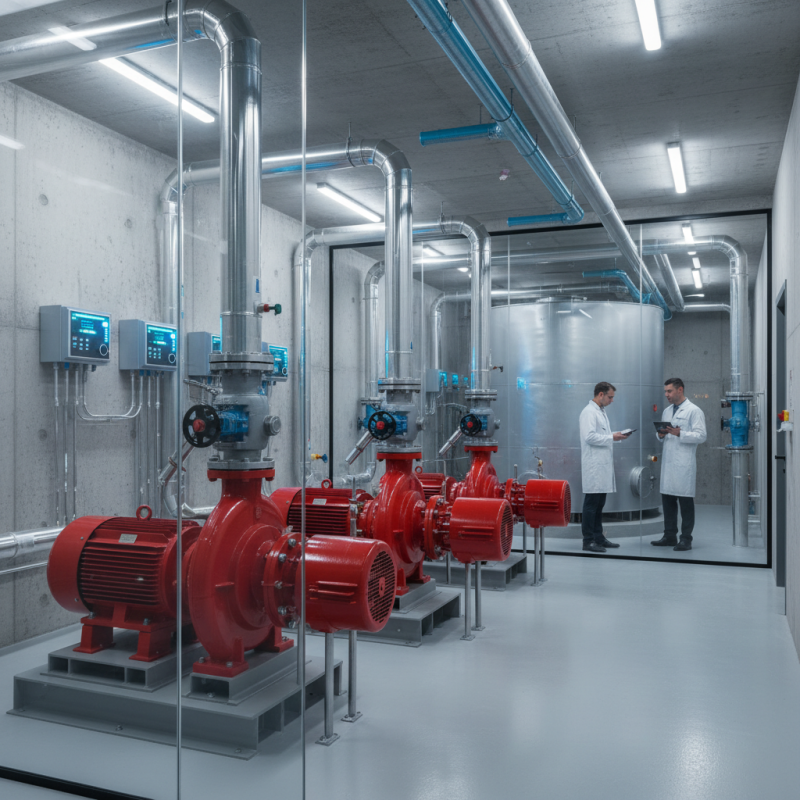
Fire pumps are crucial in firefighting and suppression. They come in various types and sizes, designed for different applications. From centrifugal pumps to positive displacement pumps, each has unique features. Centrifugal pumps are popular for their efficiency and ability to deliver large volumes of water. In contrast, positive displacement pumps are ideal for higher pressures. A recent industry report indicates that the global fire pump market is projected to grow by 5.3% annually, reflecting rising fire safety needs.
When selecting fire pump models, it’s essential to consider installation locations. Some models suit urban environments, while others are tailored for industrial sites. Fire pump reliability can be a concern. Equipment may fail if not maintained properly. The National Fire Protection Association highlights that nearly 25% of fire pumps do not meet performance standards during annual tests. This fact underlines the importance of regular inspection and maintenance. Without proper care, even the best models can underperform in emergencies, putting lives at risk.
Understanding fire pump types is vital for effective emergency preparedness. Each model serves its purpose, but knowing their limitations is equally important. Inadequate training can result in improper usage. Addressing these gaps can significantly improve firefighting capabilities. Investing in quality equipment is just as crucial as ensuring that personnel are well trained in its operation.
Key Features to Look for in Fire Pumps in 2026
When considering fire pumps for 2026, certain key features should stand out. Reliability is essential. A robust design ensures that the pump operates under pressure in critical situations. Efficiency is another crucial aspect. Pumps should maximize water flow while minimizing energy consumption. Look for models that include advanced material technology. This enhances durability and lifespan.
Tip: Always check for flow rates and pressure capabilities. These specifications indicate how effectively a fire pump can perform in emergencies.
Another feature to consider is ease of maintenance. Fire pumps should allow for quick and simple servicing. This reduces downtime, which is vital during an emergency. Automatic testing features can also be beneficial. They help in identifying potential issues before they escalate.
Tip: Review user manuals carefully. They often contain valuable maintenance tips that can save time.
Finally, portability is important for certain scenarios. Some situations require easy transport to different locations. Compact designs that don’t sacrifice power can make a significant difference. However, be cautious. A smaller pump might not always meet your needs. Reflect on the specific conditions you will face.
Top Fire Pump Brands: A Comparison of Leading Manufacturers
When evaluating top fire pump brands, it's essential to understand the key manufacturers in the market. A recent study shows that high-efficiency pumps can save up to 30% on energy costs compared to traditional models. Fire pumps must meet strict standards to ensure reliability during emergencies. Leading manufacturers are investing heavily in research and development to enhance pump performance. These improvements often result in better flow rates and pressure capabilities, critical during firefighting operations.
Tips: Regular maintenance is crucial. Check seals and joints frequently. This helps avoid costly breakdowns.
Different brands often feature unique technologies. For example, some use advanced materials that resist corrosion better. This can extend the lifespan of the pump significantly. However, not all manufacturers prioritize durability equally. It's essential to scrutinize product specifications and reviews before making a decision. Remember, performance in emergencies can define the difference between life and loss.
Tips: Always assess your specific needs first. Consider the environment where the pump will be used. This can affect its performance and longevity.
2026 Top Fire Pump Models You Need to Know
| Model Name |
Flow Rate (GPM) |
Pressure Rating (PSI) |
Engine Type |
Weight (lbs) |
| Model A |
1500 |
150 |
Diesel |
500 |
| Model B |
1200 |
130 |
Gasoline |
450 |
| Model C |
2000 |
200 |
Electric |
300 |
| Model D |
1000 |
120 |
Diesel |
400 |
| Model E |
1800 |
160 |
Gasoline |
550 |
Innovations in Fire Pump Technology: What’s New in 2026
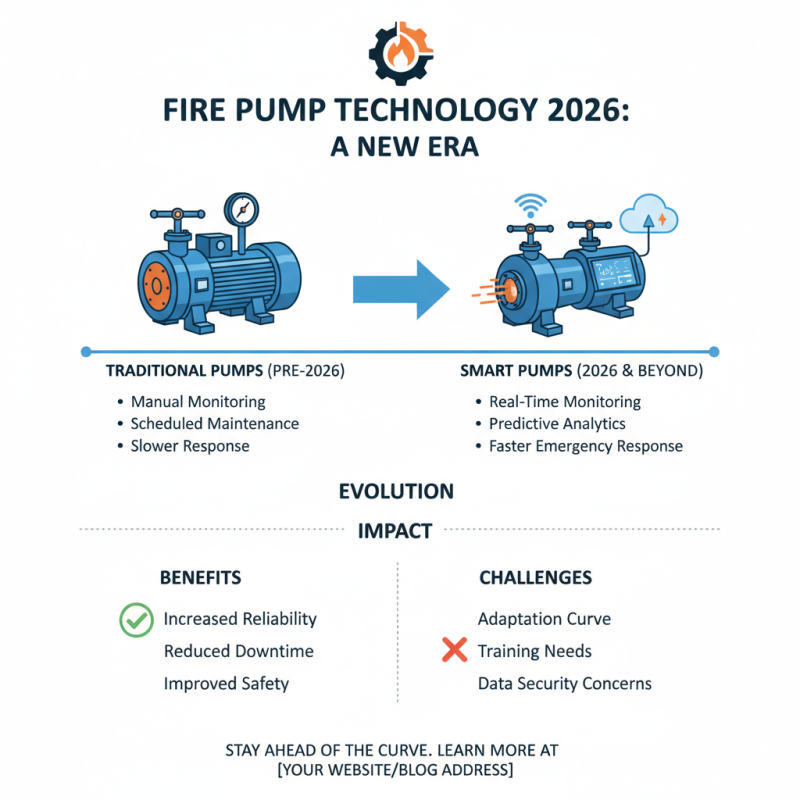
Fire pump technology is rapidly evolving, and 2026 marks a significant year for advancements. One notable trend is the integration of smart technology into fire pumps. These innovations allow for real-time monitoring and data collection. This means faster responses to emergencies. However, some users report challenges in adapting to these new systems.
Another critical development focuses on eco-friendly materials. Manufacturers are exploring sustainable options that reduce environmental impact. Lightweight composites are becoming popular, which makes the equipment easier to handle. Yet, the durability of these materials in extreme conditions is still under discussion.
Moreover, energy efficiency is at the forefront. New models consume less power while maintaining high performance. They can operate longer with less fuel. However, some fire departments are still hesitant to transition due to budget constraints or training needs. Balancing cost and innovation is an ongoing challenge in the field.
Best Applications for Top Fire Pump Models: Choosing the Right Fit
Choosing the right fire pump is crucial for effective firefighting. Different applications require specific pump models. Understanding these needs helps in making the best choice. For residential areas, compact models are often preferred. They fit well in smaller spaces and still provide solid performance. Often, users underestimate the importance of size and weight.
For industrial settings, higher capacity pumps are essential. These models can handle large water volumes. They are vital in protecting large facilities like factories and warehouses. However, many fail to consider the power requirements. A pump that is too powerful can lead to increased costs, while an underpowered pump may not effectively tackle fires.
In rural areas, portable pumps are a lifesaver. They can be easily transported to hard-to-reach locations. Yet, some people overlook fuel efficiency. A portable pump should balance power with the ability to run for extended periods. Assessing the terrain is also important. Not all pumps can perform well under different environmental conditions. Taking these factors into account can lead to better decisions.