Top 10 Drying Oven Manufacturers in China
Choosing a drying oven is not just a matter of comparing price tags. Temperature uniformity, usable chamber size, airflow, controls, and after-sales support can shape daily production. A tray of damp components may look simple, yet uneven heat can leave some pieces ready while others need more time. Small details matter.
This guide to the Top 10 Drying Oven Manufacturers in China offers buyers a practical starting point. It considers product range, stated technical capabilities, customization options, quality practices, and communication with overseas customers. Specifications should still be checked against each application; a catalog cannot prove performance in a real workshop. That limitation deserves attention.
Manufacturing quality expert W. Edwards Deming is widely associated with the principle, “Quality comes not from inspection, but from improvement of the production process.” Applied to drying ovens, that idea points beyond the final inspection sticker. Ask how temperature uniformity is tested, what records are available, and how faults are handled after installation. Ask plainly.
The companies featured here may serve different needs, from compact laboratory units to larger industrial chambers. Their strengths are not interchangeable. A low quoted price may omit commissioning, documentation, or useful support, while a premium model may exceed a buyer’s actual requirements. There is no perfect shortlist. Readers should confirm current specifications, certifications, lead times, and service coverage directly with each supplier. This comparison aims to make those conversations more informed, not to replace technical review or sample testing.
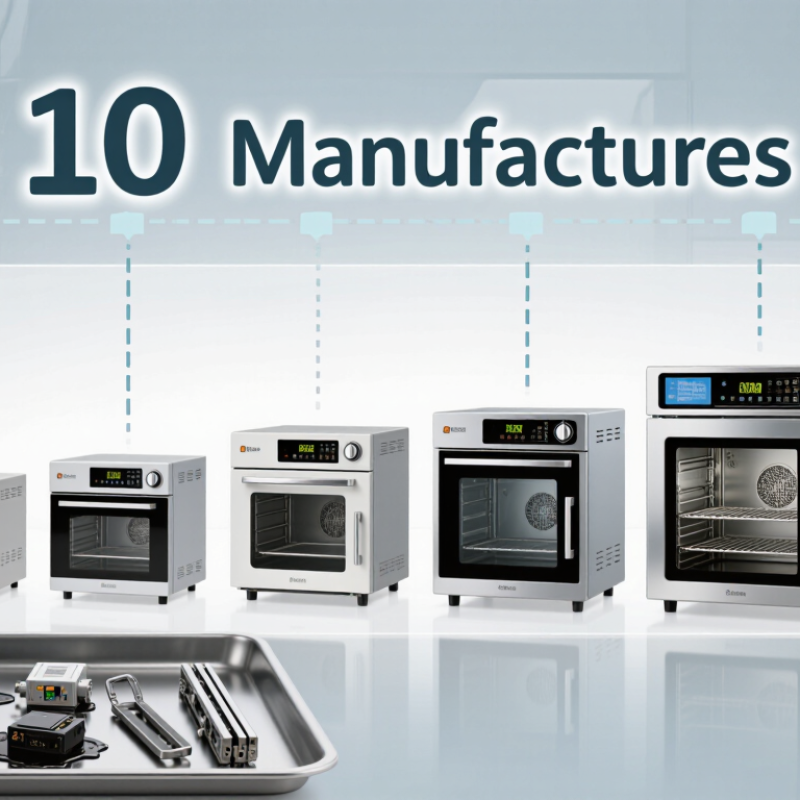
Understanding China’s Drying Oven Manufacturing Industry
Top 10 Drying Oven Manufacturers in China
Understanding China’s Drying Oven Manufacturing Industry
China’s drying oven industry serves laboratories, food processing, electronics, ceramics, and general manufacturing. Its strength lies in a broad supply base, practical engineering, and flexible production volumes. Many factories can adapt chamber dimensions, temperature ranges, airflow layouts, and controls to specific processes. Yet “made to order” does not automatically mean well validated. Buyers should check how suppliers test temperature uniformity, insulation, and controller accuracy before shipment. A polished specification sheet is only a starting point.
A meaningful comparison of the top 10 manufacturers should consider more than price or advertised maximum temperature. Ask for a temperature-uniformity map under a stated load, not just an empty-chamber reading. Check usable chamber size, heating recovery after door opening, sensor placement, and calibration records. These details matter. Trays near the door may heat differently from those at the rear. That small gap can matter in repeatable production. Documentation quality also varies, and sometimes it is weaker than the machinery. Check the evidence. Request clear operating instructions, wiring diagrams, and a service plan. If possible, review a test run using representative materials.
Tips: Define your load, target temperature, and daily duty cycle before requesting quotations. Compare equivalent test conditions. Ask who performs final inspection and how results are recorded. Leave time for verification; rushed acceptance is rarely useful.
Key Criteria for Evaluating Drying Oven Manufacturers
Choosing among drying oven manufacturers in China starts with the process, not the brochure. Define the working temperature, load size, material, and required drying time. Ask for temperature-uniformity results at a stated setpoint and chamber load. One empty-chamber reading proves little. Check how sensors are placed and when calibration was last verified.
Inspect details you can confirm. Stainless steel thickness, door seals, shelf spacing, and fan design affect daily use. Request a chamber map or test report. Ask to see control screenshots showing alarms and temperature recovery after a door opening. Check whether recorded data can be exported in a format your team can review. Small details matter. A loose latch is not small after months of use.
Compare engineering support as well as price. Ask who sizes the airflow, which spare parts are available, and how quickly technicians answer practical questions. Review installation instructions, warranty terms, and sample acceptance tests before ordering. If an explanation is unclear, ask again. That alone does not prove poor quality, but it is a useful signal. Specifications can look precise while leaving assumptions unstated; experienced buyers can miss that gap, too.
Ten Leading Manufacturers: Company Profiles and Product Focus
A practical review of ten Chinese drying oven manufacturers should look beyond factory size. Company profiles can reveal whether a producer focuses on laboratory units, batch ovens, or larger production systems. Some offer compact benchtop models with simple temperature controls. Others build insulated chambers with adjustable shelves, circulation fans, and programmable controllers. Small details matter.
Product focus also shapes suitability. A laboratory may need stable temperatures and clear calibration records, while a workshop may value chamber capacity, loading access, and service availability. Ask about usable interior dimensions, temperature uniformity, airflow, and recovery time after the door opens. These figures help compare models more fairly than exterior appearance. A polished brochure is not enough.
Manufacturers differ in testing practices and documentation quality. Request a sample inspection report, wiring information, and operating instructions before comparing quotations. Check how the supplier handles spare parts and technical questions. Response speed can be telling. Still, published specifications may not reflect performance under every load, and comparisons can be imperfect. A site visit or independent acceptance test may clarify doubts, especially when ovens will run for long cycles.
Comparing Technologies, Applications, and Service Capabilities
Comparing ten Chinese drying oven manufacturers is more useful when the focus is operating fit, not headline capacity. Forced-air ovens suit many routine processes, while vacuum models can dry heat-sensitive materials at lower temperatures. Infrared systems transfer heat differently and may help with fast surface drying. Details matter. Ask how temperature uniformity is measured across a loaded chamber, not just an empty one.
Applications shape the right choice. A laboratory may value stable control and documented calibration; an electronics workshop may need clean airflow and carefully managed heating. Coating lines often prioritize throughput, while small-batch production may benefit from flexible shelves and programmable cycles. Check chamber size against actual trays, airflow paths, and peak loads. A brochure can look convincing; real production rarely behaves so neatly.
Service capability deserves the same scrutiny as technology. Compare commissioning support, operator training, spare-part availability, and response times in writing. Request sample test data using materials similar to yours, and clarify warranty exclusions before ordering. Some suppliers provide strong customization but limited local support; others may offer quicker maintenance with fewer control options. That trade-off is easy to miss. Ask how faults are diagnosed remotely, and whether replacement sensors match the original accuracy. A short trial run can reveal uneven drying that specifications alone may not show.
Top 10 Drying Oven Manufacturers in China - Comparing Technologies, Applications, and Service Capabilities
Vacuum drying technology reference: how reducing absolute pressure lowers water’s boiling point.
The plotted values are rounded water saturation temperatures at the indicated absolute pressures. Lower pressure allows moisture to evaporate at lower temperatures, a principle used in vacuum drying. This technical reference does not rank or present data for individual manufacturers.
How to Choose a Manufacturer for Your Requirements
Choosing a drying oven manufacturer starts with the material, load, and process you actually use. Write down your required temperature range, chamber dimensions, batch weight, and daily operating hours. Be specific. A tray of small components needs different airflow from a densely packed batch of damp parts. Ask how the manufacturer measures temperature uniformity, and request test results for a comparable chamber size. A stated maximum temperature alone tells you little about performance across loaded shelves.
Inspect the proposed controls, insulation, chamber finish, and door seal. Ask whether temperature sensors can be calibrated and whether service records and operating instructions are supplied. Request a factory acceptance test using your typical load, if practical. Watch for slow recovery after the door opens. That detail can affect throughput. Compare warranty terms, spare-part availability, installation requirements, and response times for technical support. A low quotation may exclude essential options or commissioning, so ask for an itemized offer. One part is easy to overlook: confirm that the oven fits through your site’s doors and can be connected to its available power supply. I would also ask for references from users with similar workloads; a polished specification sheet cannot reveal every maintenance issue.