In the world of home water systems, the importance of domestic water booster pumps cannot be overstated. These devices enhance water pressure, improving the overall efficiency of plumbing systems. As noted by industry expert John Smith, “A well-chosen booster pump can transform a water system from weak to wondrous.”
Many homeowners face challenges such as low water pressure, and a domestic water booster pump offers a practical solution. Selecting the right model is crucial. Factors like flow rate, size, and energy efficiency play significant roles in ensuring optimal performance. Sometimes, homeowners overlook the complexities when shopping for these pumps, leading to subpar choices.
Moreover, while many options exist, not all are created equal. Some pumps may promise high performance but fall short in reality. A rushed decision can lead to frustration and inadequate pressure. Investing time to research and understanding your needs is essential. Remember, a reliable domestic water booster pump can make a tangible difference in everyday life.
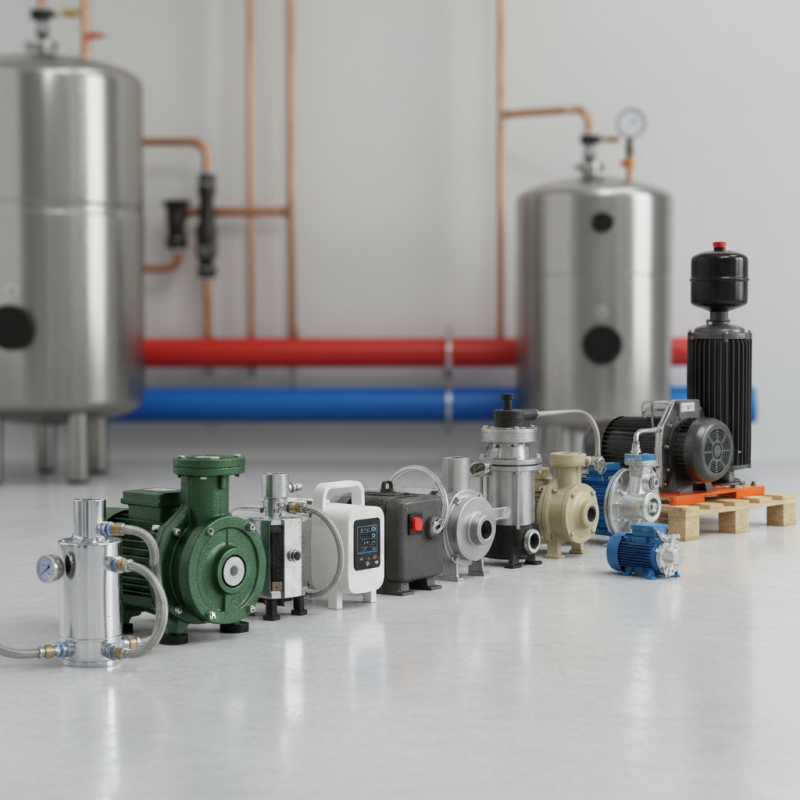
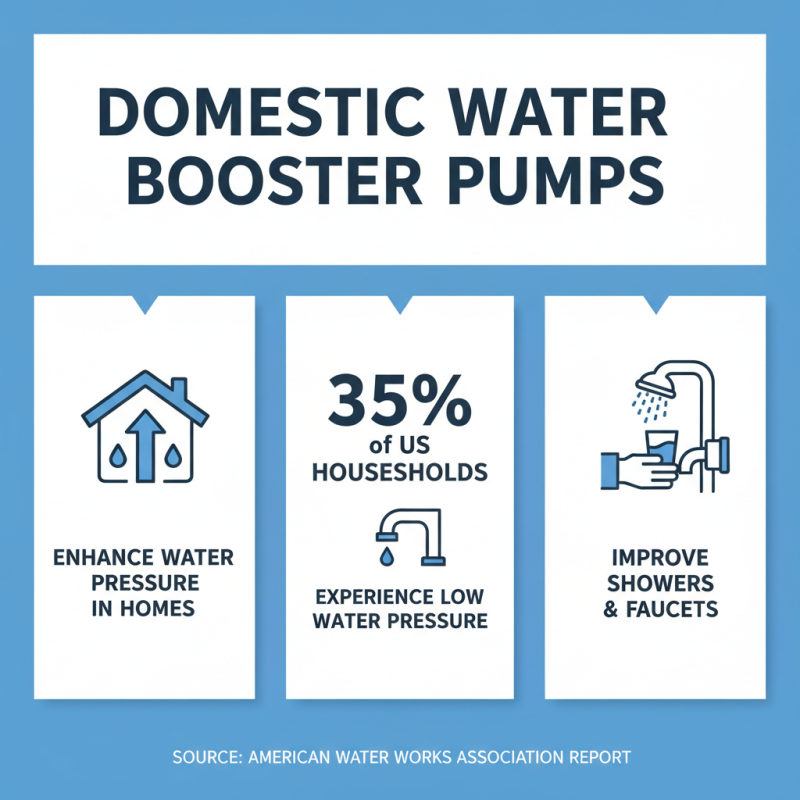
Domestic water booster pumps play an essential role in enhancing water pressure within home systems. According to a report by the American Water Works Association, nearly 35% of households experience inadequate water pressure. This pressure drop can lead to poor water flow in showers and faucets, making everyday tasks challenging.
Additionally, a lack of proper water pressure can affect the performance of household appliances, like dishwashers and washing machines. Without a booster pump, these appliances might not operate efficiently. In situations where water supply is inconsistent, a booster pump can ensure a steady flow, enhancing the overall comfort of your home.
Tips: When choosing a water booster pump, consider your home's specific needs. Evaluate the current water pressure, the number of fixtures, and the specific flow rate required. Regular maintenance is crucial; neglecting pump upkeep can lead to costly repairs. Stay informed about local regulations regarding water pumps. Avoid common mistakes, such as oversizing the pump, which can lead to inefficiency and unnecessary energy costs.
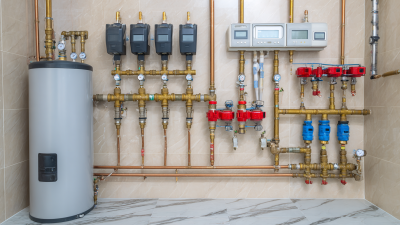
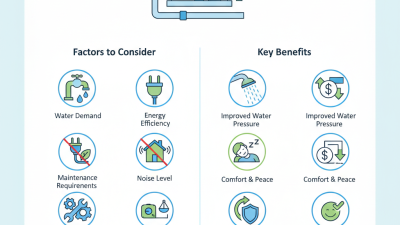
When selecting a domestic water booster pump, consider the pump's flow rate. This determines how much water the pump can deliver per minute. Choose a pump that meets your household needs. If you have multiple taps running at once, you’ll need higher flow rates.
Another important feature is the pressure rating. This indicates how much pressure the pump can generate. Higher pressure means better performance, especially in multi-story homes. But too much pressure can lead to pipe damage. It’s essential to find a balance. The material of the pump also matters. Look for corrosion-resistant materials for longevity.
Noise levels are often overlooked but can affect your quality of life. Some pumps operate quietly, while others can be quite loud. You’d want to avoid disturbances during the night. Lastly, consider ease of installation. A complex setup might lead to frustration. Make sure you understand the installation requirements before purchase. Each of these factors requires careful thought. Ignoring one could lead to issues later.
Boosting residential water pressure can make a significant difference in daily routines. Many homeowners face issues with low water flow. This can affect everything from showering to washing dishes. Installing a water booster pump can enhance the situation.
When choosing a pump, consider various factors. The pump's capacity is crucial. A higher capacity means better flow rates. Look for models designed specifically for home use. They should be efficient and easy to install. Some pumps are compact and can fit in tight spaces. This makes installation simpler for many homes.
Noise can be a concern. Some pumps operate quietly, while others may be disruptive. It's essential to balance performance and noise levels. Read reviews carefully to understand others' experiences. Some users report reliability issues over time. Be wary of this when selecting a model. The right pump should enhance your water pressure and suit your lifestyle.
When choosing a water booster pump, efficiency ratings and industry standards are crucial. They determine how well a pump functions under pressure. Generally, look for models with high flow rates and low energy consumption. Standard ratings often include the TMV and EU Efficiency Index. These provide valuable insights into performance.
Tips: Always verify energy labels. A pump may be powerful but consume too much energy. Check for certifications that reflect quality and reliability.
Sometimes, people overlook specific features. Does it fit your home’s plumbing system? Compatibility is key. An unsuitable pump may lead to leaks and high repair costs. Assess your water source too. Some areas have varying pressure, which affects pump selection.
Tips: Regular maintenance is vital. Neglect can lead to inefficiencies. Schedule inspections to ensure optimal performance. Investing in a quality booster pump can save money in the long run. Choosing the right model makes all the difference in domestic water pressure.
| Pump Model | Max Pressure (psi) | Flow Rate (GPM) | Power (HP) | Efficiency Rating (1-10) |
|---|---|---|---|---|
| Model A | 75 | 12 | 1.5 | 9 |
| Model B | 85 | 15 | 2.0 | 8 |
| Model C | 90 | 10 | 1.0 | 7 |
| Model D | 70 | 8 | 0.75 | 6 |
| Model E | 80 | 14 | 1.5 | 10 |
| Model F | 76 | 13 | 1.2 | 9 |
| Model G | 88 | 12 | 1.5 | 8 |
| Model H | 82 | 15 | 2.0 | 9 |
| Model I | 74 | 11 | 1.0 | 7 |
| Model J | 78 | 10 | 0.75 | 8 |
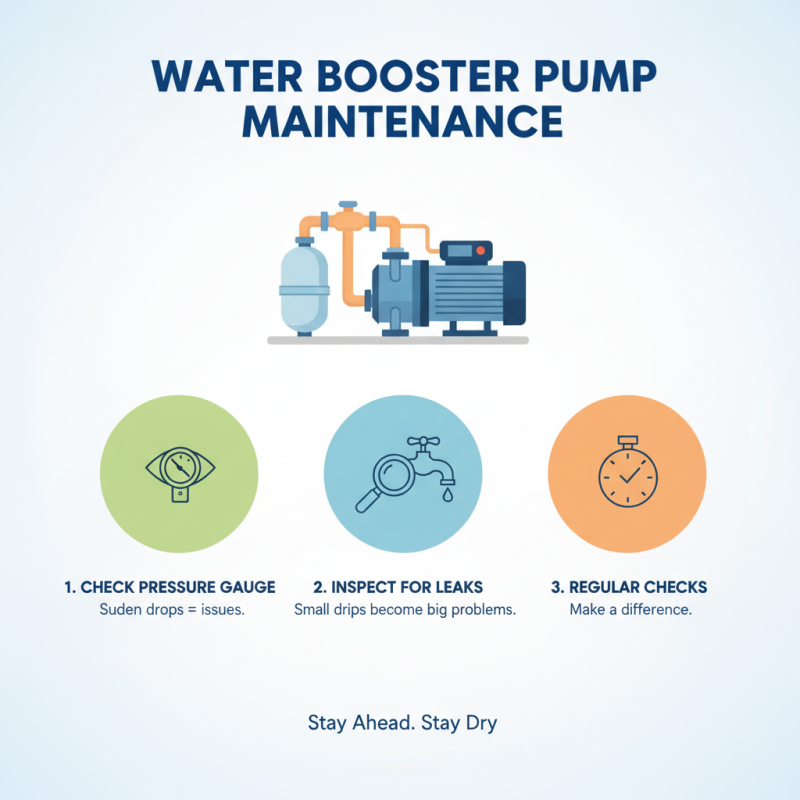
Maintaining a water booster pump can be challenging. Regular checks can make a big difference. Keep an eye on the pressure gauge. A sudden drop in pressure might indicate issues. Inspect for leaks regularly. Small drips can evolve into major problems.
Cleaning is essential! Dust and debris can block filters. This reduces efficiency. Sometimes, cleaning seems tedious but it pays off. Flush the system to remove buildup. Use a soft cloth to wipe external parts. A clean pump works better and lasts longer.
Remember to check electrical connections too. Loose wires can lead to failures. It’s a simple task that anyone can do. If strange noises occur, investigate immediately. Delaying could result in costly repairs. Regular maintenance tasks may seem boring. Yet, they keep your pump running smoothly.
sale@harbertpump.com,
sale@harbertpump.com