In the growing field of waste management, the efficiency of domestic sewage pumps is crucial. Experts note that these pumps are vital for both homeowners and local systems. John Smith, a renowned expert in sewage management, states, "The right domestic sewage pump can make a world of difference in home waste disposal.”
As we approach 2026, the need for reliable and effective domestic sewage pumps becomes more pressing. Homeowners are increasingly aware of the environmental impact of sewage mishandling. The right pump can significantly reduce risks of overflow or contamination. However, many still overlook how choosing the appropriate pump can impact their daily lives.
Various options exist, but not all are created equal. Some may struggle with efficiency or durability. It's essential to consider specific needs, such as capacity and energy efficiency. Ultimately, consumers must reflect on their choices in this critical area of waste management. Investing wisely in domestic sewage pumps leads to better outcomes for both families and the environment.
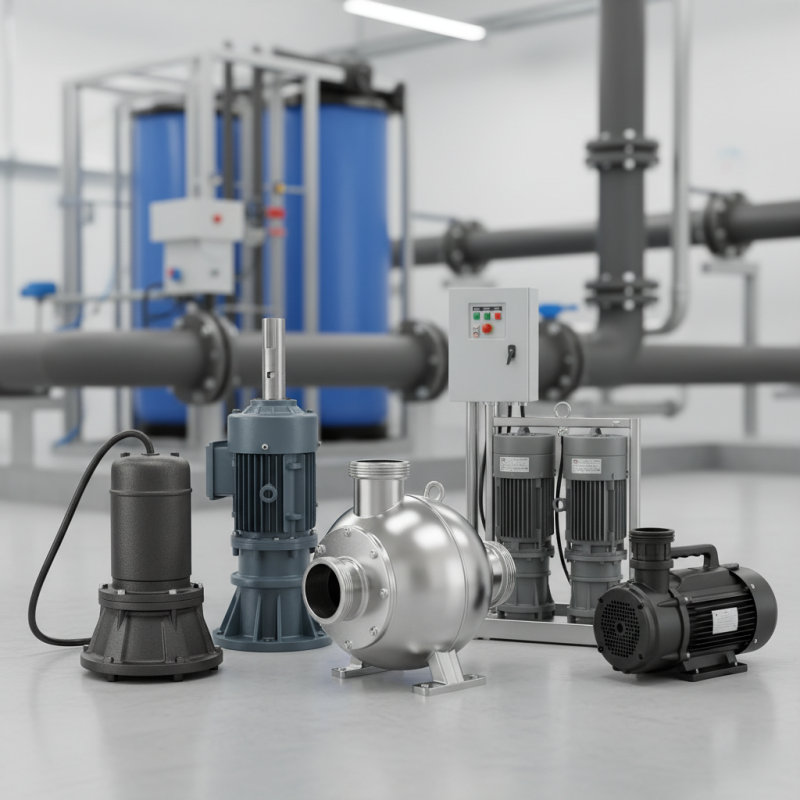
Domestic sewage pumps play a crucial role in waste management. They help transport wastewater from homes to treatment facilities. Without these pumps, sewage can accumulate, leading to unsanitary conditions and potential health risks.
Choosing the right pump is not always straightforward. Different factors influence effectiveness. Consider the pump's capacity and head height. Also, think about the materials used in construction. These details can affect durability and performance.
Tips: Regular maintenance is key. Check for clogs and wear regularly. Replace worn or damaged parts promptly to avoid bigger issues. Always ensure the pump is installed correctly.
It's important to remember that not every home needs the same solution. Analyze your specific situation. A pump that works well for one household may not suit another. Take the time to research options carefully. It's a substantial investment that can lead to peace of mind.
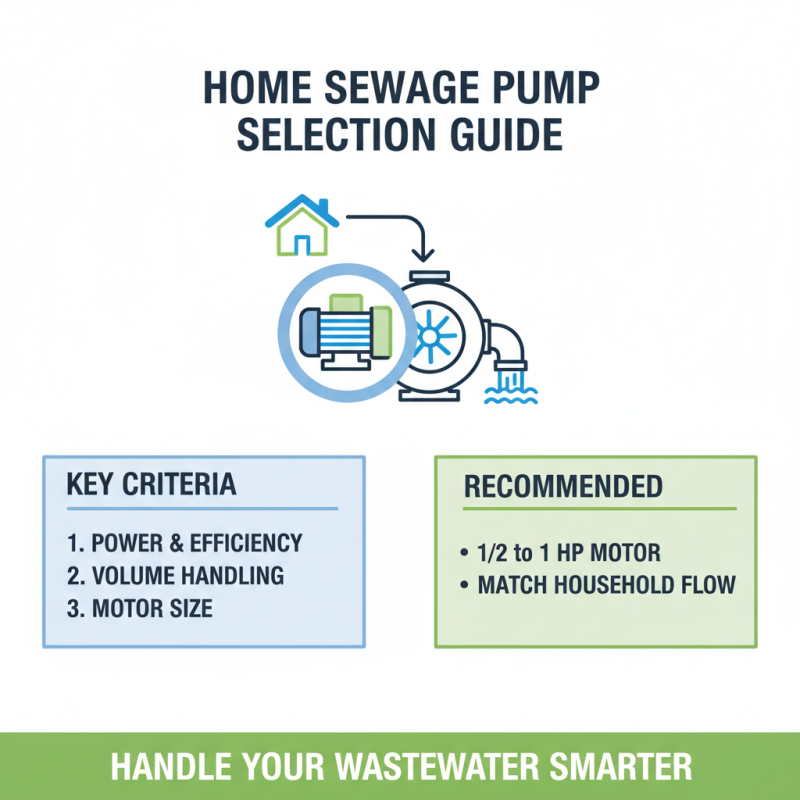
When selecting a sewage pump for home use, several criteria come into play. Focus on power and efficiency. A pump should handle the volume of wastewater generated by your household. Consider the motor size and performance ratings. Ideal pumps often range from 1/2 to 1 horsepower.
Another crucial factor is construction quality. A durable pump can withstand harsh conditions. Look for models featuring corrosion-resistant materials. This ensures longevity and reliability. Also, pay attention to the pump's noise level. Some models can be quite loud. Quiet operation is preferable for residential settings.
Finally, installation and maintenance must be considered. Some pumps require professional help, while others are DIY-friendly. Ease of access for repairs is essential. Not every pump is easy to fix. Evaluate whether replacement parts are readily available. A complicated setup can lead to frustration later. Always read user reviews for insights on potential issues.
When choosing domestic sewage pumps in 2026, it’s essential to focus on their features and specifications. The market is evolving, with data indicating a 15% annual growth in demand for efficient waste management solutions. This trend highlights the necessity for pumps that are both reliable and energy-efficient.
Key features to consider include horsepower, flow rate, and material quality. For instance, many efficient pumps now offer ratings between 1 HP and 3 HP. They effectively handle flow rates from 30 GPM to over 100 GPM. The durability of pumps is vital as well, with materials like stainless steel ensuring longevity under harsh conditions.
Despite advancements, there are flaws to address. Pump noise and vibration can be problematic, affecting user comfort. In some cases, inadequate installation may lead to frequent malfunctions. Customers often report challenges with pump maintenance. Understanding these issues is crucial for making an informed decision. Experts recommend regular inspections to prevent operational failures.
When considering effective waste management, domestic sewage pumps play a crucial role. A recent industry report highlighted that about 60% of household sewage systems fail to manage solid waste efficiently. This inefficiency often leads to increased costs and environmental concerns. To address these issues, the top five models in 2026 offer various performance metrics worth analyzing.
One standout feature in current models is power consumption. Data from recent analyses indicate that energy-efficient designs can reduce power usage by up to 30%. However, many users still overlook the importance of energy ratings. Moreover, the average lifespan of sewage pumps varies widely. Some products reportedly last only five years, while others can exceed ten years with proper maintenance. This inconsistency raises questions about quality assurance across different manufacturers.
Noise levels also deserve attention. Several pumps reportedly operate above 70 decibels, which can disrupt daily life. Users often underestimate this aspect, leading to dissatisfaction. In an age where quiet operation is increasingly demanded, the efficiency of noise suppression mechanisms is becoming crucial. Thus, a careful comparative analysis of these factors can significantly impact waste management effectiveness in residential settings.
| Model | Power (HP) | Flow Rate (GPM) | Max Head (Feet) | Efficiency (%) | Noise Level (dB) |
|---|---|---|---|---|---|
| Model A | 1.5 | 40 | 30 | 85 | 60 |
| Model B | 2.0 | 50 | 25 | 90 | 55 |
| Model C | 1.0 | 30 | 20 | 80 | 65 |
| Model D | 2.5 | 60 | 35 | 88 | 70 |
| Model E | 3.0 | 70 | 30 | 92 | 68 |
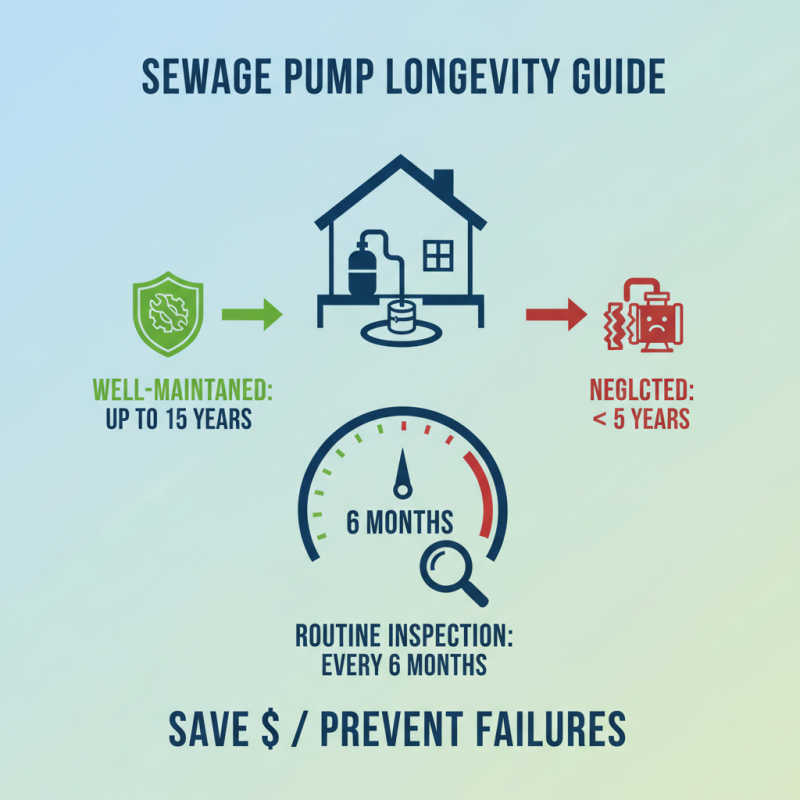
Sewage pumps play a crucial role in waste management for households. Regular maintenance is essential to ensure their longevity. Studies show that properly maintained pumps can last up to 15 years, while neglected ones may fail within five years. A common oversight is ignoring the need for routine inspections. Pumps should be checked every six months to prevent costly repairs.
Another important maintenance tip involves cleaning the pump regularly. Debris, grease, and solids can clog the system. This not only reduces efficiency but can also lead to a system breakdown. Using a mixture of water and vinegar can help dissolve buildup. Additionally, maintaining a clear pathway for the pump's discharge line is vital. Blockages can cause backflow and additional wear.
Be mindful of the operating conditions. Extreme temperatures and excessive fats can affect performance. Monitoring the pump’s performance indicators is important. If noise levels increase or the flow rate decreases, it's time to investigate. Failure to address these signs can shorten the pump's lifespan significantly. A proactive approach will lead to better waste management and improved efficiency.
sale@harbertpump.com,
sale@harbertpump.com