Top Cricket Clothing Manufacturers for Global Buyers in 2026?
As the cricket industry evolves, the demand for quality cricket gear remains high. In 2026, Cricket Clothing Manufacturers are expected to play a pivotal role in shaping this market. "Innovation in design and sustainability will define the future of cricket apparel," says James Richards, a leading expert in sportswear manufacturing. This emphasizes the importance of quality and eco-friendly practices.
The global market for cricket clothing is diverse and competitive. Manufacturers are constantly adapting to trends and players' needs. This adaptability is crucial for success. Many brands focus on high-performance materials, ensuring that players feel comfortable and agile on the field. However, the challenge lies in meeting growing expectations for durability and environmental responsibility.
While the top cricket clothing manufacturers continue to innovate, potential oversights remind us that not all brands align with player needs. Some may prioritize profit over quality, risking their reputation. Striking a balance between style, functionality, and sustainability remains a goal for these manufacturers. As interest in cricket grows worldwide, the role of these manufacturers will be more significant than ever.
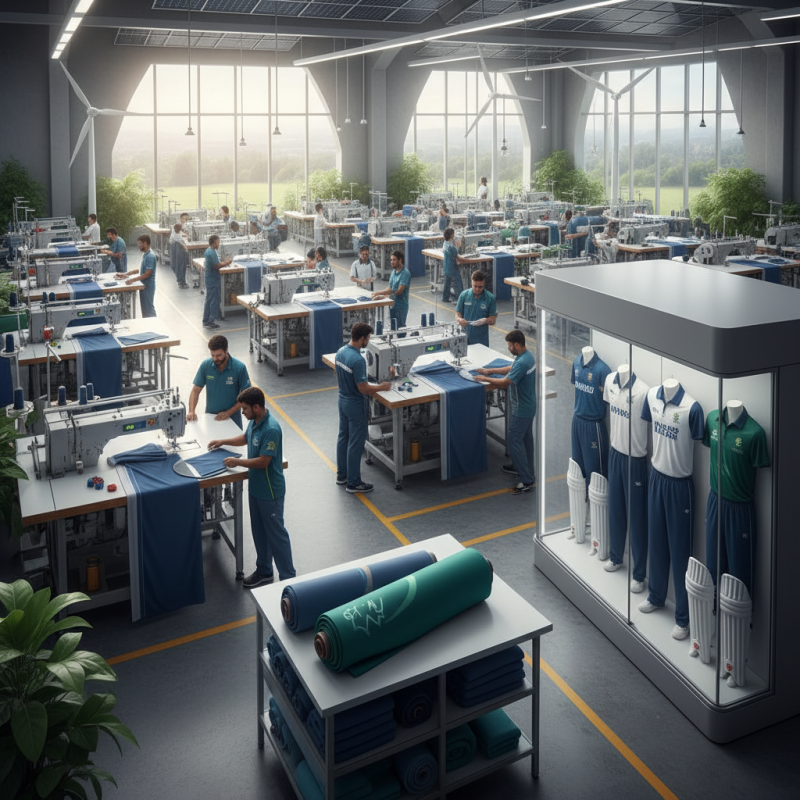
Overview of the Global Cricket Clothing Market in 2026
The global cricket clothing market is set to experience significant growth by 2026. Reports suggest that the market could reach a valuation of over $2 billion. This surge is driven by increasing participation in the sport and rising fan engagement. Emerging markets, particularly in Asia and Africa, are key contributors to this growth.
Sustainability is becoming a central theme in cricket apparel. Many manufacturers are exploring eco-friendly materials. This shift is crucial as consumers seek products that align with their values. Data indicates that 32% of consumers prefer sustainable options, influencing purchasing decisions. Tech innovations in fabric, such as moisture-wicking and UV protection, are also gaining traction.
Despite these trends, challenges remain. Supply chain disruptions and fluctuating demand are persistent issues for many manufacturers. The reliance on specific regions for production can lead to vulnerabilities. Companies need to adapt and diversify their supply chains. Continuous research into consumer behavior is vital for maintaining relevance in this evolving market.
Key Trends Influencing Cricket Clothing Manufacturing
The cricket clothing manufacturing sector is poised for transformative changes influenced by several key trends. Sustainability emerges as a primary driver. A report by Allied Market Research predicts that the global sports apparel market will reach $184.2 billion by 2026, with eco-friendly materials accounting for a sizable chunk of this growth. Buyers are looking for products made from organic cotton, recycled polyester, and biodegradable fibers. This shift reflects a growing consumer demand for environmentally conscious options.
Innovation in fabric technology is another crucial trend. Performance-enhancing fabrics are increasingly favored by athletes. Moisture-wicking materials, UV protection, and advanced breathability tackle the challenges faced during play. According to a study by MarketsandMarkets, advancements in fabric technology are expected to dominate market strategies in the coming years. Yet, while these innovations create exciting possibilities, they also raise concerns about production costs and the environmental impact of current manufacturing processes.
Lastly, the global market is seeing a rise in customization options. Personalized gear is becoming popular among both professional teams and casual players. Industry experts emphasize that this trend could lead to a more fragmented supply chain. It complicates the logistics of production but may also enhance player satisfaction. Balancing innovation with sustainability presents a challenge in this dynamic landscape.
Leading Cricket Clothing Manufacturers and Their Specialties
In the dynamic world of cricket clothing, various manufacturers stand out for their unique specialties. Some focus on eco-friendly materials, using sustainable fabrics to create uniforms. These companies appeal to environmentally conscious players and teams. Their products not only offer comfort but also minimize environmental impact. This approach is gaining traction among global buyers.
Others specialize in performance-enhancing gear. These manufacturers invest in advanced fabric technology. Their clothing provides moisture-wicking properties and breathability, essential for intense matches. Players often report better mobility and reduced fatigue while wearing such outfits. However, some products may come with a higher price tag, sparking discussions about value versus performance.
Moreover, customization is another area of expertise for selected brands. They offer tailored designs catering to individual preferences. This can include team logos, colors, and unique patterns. While customization adds a personal touch, it might sacrifice standardization in sizes and fit. Buyers should weigh their priorities when choosing between uniqueness and practicality. Exploring these specialties helps buyers make informed decisions in a rapidly evolving market.
Sustainability Practices Among Top Cricket Clothing Brands
In today's cricket clothing industry, sustainability has become a crucial focal point. Manufacturers are increasingly aware of their environmental impact. Many are adopting eco-friendly materials. This includes organic cotton and recycled polyester. These choices help reduce waste and conserve resources.
Despite the positive strides, not all brands are on board. Some still rely heavily on traditional methods that harm the environment. This inconsistency raises questions. Can companies genuinely commit to sustainability? Many brands face challenges in sourcing materials sustainably. The journey is ongoing, and transparency is essential.
Consumer awareness plays a significant role. Shoppers are now looking for brands that prioritize sustainability. They seek information on how their apparel is made. Brands must adapt to meet these expectations. Progress is evident, yet more work is necessary to achieve harmony between quality and environmental responsibility.
Sustainability Practices Among Cricket Clothing Manufacturers in 2026
Future Innovations in Cricket Apparel Design and Technology
Innovations in cricket apparel are advancing rapidly. As we head into 2026, expect smarter designs and sustainable materials. Manufacturers are focusing on integrated technology for performance enhancement. Moisture-wicking fabrics will keep players dry and comfortable during intense matches.
Wearable tech is likely to become standard. Players may soon wear shirts with built-in sensors. These sensors could track heart rate and activity level in real-time. This data will help coaches personalize training regimens. Imagine a game where clothing informs strategy.
**Tip:** When choosing cricket apparel, consider the fit. Ill-fitting clothing can hinder performance.
Sustainability is also a top priority. Brands are exploring recycled materials for eco-friendly options. Players might wear gear that reduces environmental impact while maintaining durability. While innovation drives improvement, testing these materials for comfort is still crucial.
**Tip:** Look for brands that emphasize durability. Gear should withstand rigorous play to avoid frequent replacements.