Artificial Lift Technologies are crucial in the oil and gas industry. They help maximize production rates and enhance efficiency. This article explores five key artificial lift methods. Each technology serves a specific purpose in different reservoirs.
Understanding these technologies is vital for optimizing well performance. The methods include pumping systems, gas lift, and more. Each technique has its advantages and limitations. For instance, submerged pumps offer reliability but can be challenging to maintain.
As we dive into these technologies, we reflect on their evolution. Changes in the industry demand continuous improvement. Adopting new techniques can also be a hurdle for companies. The balance between innovation and practicality can be tricky. Each artificial lift solution requires careful consideration of various factors.
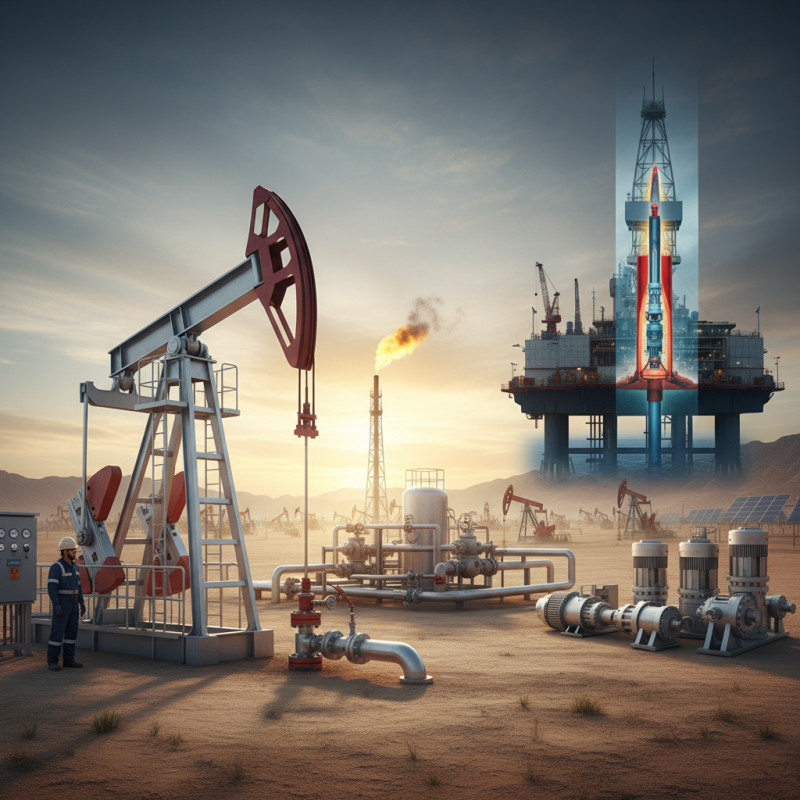
Artificial lift technologies play a crucial role in oil extraction. These systems are necessary when natural reservoir pressure is insufficient to push oil to the surface. As production rates decline, these technologies help maintain efficient flow rates. They can enhance recovery and maximize production over the lifespan of a well.
One common method is gas lift. In this system, gas is injected into the production tubing. It reduces the density of the fluid column, allowing it to flow more easily. This method is beneficial for wells with higher gas-to-oil ratios. However, it requires precise management to be effective. Miscalculations can lead to inefficient results, draining resources without yielding increased production.
Another popular technology is the use of electric submersible pumps (ESPs). These pumps are installed deep in the well and can handle large volumes of fluid. While they are powerful tools, they can also face challenges. Wear and tear can lead to breakdowns, causing costly delays in production. Operators must frequently assess the condition of these systems to avoid unexpected failures. The balance between using advanced technology and maintaining reliability needs continuous attention.
Artificial lift technologies play a crucial role in enhancing oil and gas production. They help maintain pressure and facilitate fluid flow in wells. There are several types of Artificial Lift Systems, each tailored for specific applications. The most common methods includerod pumps, electric submersible pumps (ESPs), and gas lift systems.
Rod pumps are often used in onshore wells. They can lift fluids from depths of over 10,000 feet. According to industry reports, they account for about 50% of the artificial lift installations globally. Electrical submersible pumps are effective in deeper wells or high-volume applications. They can handle large volumes of fluid at varying temperatures. However, they require frequent maintenance, which can be a downside.
Gas lift systems utilize injected gas to reduce fluid density, thereby enhancing flow. This method is effective in high-water cut reservoirs. However, it may not be suitable for all environments. Each artificial lift technology has pros and cons. Understanding their applications is essential for optimizing production and sustainability in the industry.
Artificial lift technologies are essential in optimizing oil and gas production. They enhance flow when reservoir pressure decreases. Understanding key components of these technologies is crucial.
One common technology is the rod pump system. It utilizes a sucker rod attached to a pump. The mechanical action lifts fluids to the surface. While effective, this system can wear out quickly. Maintenance is often needed, which can be costly.
Another popular choice is the electrical submersible pump (ESP). This system has a motor attached directly to the pump, submerged underwater. It can handle high flow rates. However, ESPs also face challenges. They can overheat easily and may require frequent monitoring. Operators must weigh the trade-offs of efficiency versus maintenance demands.
Artificial lift technologies are crucial in enhancing oil production. Each method has its pros and cons. Understanding these factors can aid in decision-making.
Rod pumping is popular for its simplicity. It’s reliable but can cause wear and tear. Maintenance can be a hassle. Gas lift systems, on the other hand, inject gas into the fluid. This reduces the fluid density. While effective in specific scenarios, it can be less efficient in wells with high water content.
Progressive cavity pumps (PCPs) offer continuous flow. They are efficient but require careful installation. Misalignment can lead to premature failures. Submersible pumps are also efficient, yet they may struggle in harsh environments. Choosing the right method depends on the specific field conditions and production goals. Each choice carries its own set of challenges.
| Artificial Lift Method | Advantages | Disadvantages |
|---|---|---|
| Rod Pumping | Simple mechanics, reliable performance, low operational costs. | Limited depth range, mechanical wear can increase maintenance needs. |
| Centrifugal Pumping | High efficiency, effective for large flow rates, suitable for high-volume production. | Sensitive to gas and solids, requires a clean production fluid. |
| Electric Submersible Pump (ESP) | High efficiency, capable of handling a wide range of fluid types. | High initial costs, susceptible to electrical failures, limited by power supply depth. |
| Gas Lift | Effective for high gas-to-oil ratios, flexible design. | Dependency on gas supply, can lead to inconsistent production rates. |
| Plunger Lift | Simplicity, low power consumption, effective in low-pressure wells. | Cycles can be affected by well conditions, may need significant maintenance. |
Artificial lift technology is constantly evolving. This innovation is crucial for maximizing oil and gas extraction. Future trends suggest a shift toward more efficient and sustainable methods.
One notable trend is the integration of digital technologies. Data analytics and machine learning are transforming operations. These tools can predict failures and optimize performance. Real-time monitoring systems enable operators to adjust settings rapidly. Yet, reliance on technology poses challenges. Systems can fail, causing potential downtime and losses.
Additionally, there’s a growing emphasis on renewable energy integration. Hybrid systems combining traditional pumps with renewable sources may emerge. These systems could reduce carbon footprints significantly. However, transitioning to such technologies requires substantial investment and time. The industry needs to adapt, addressing both environmental concerns and economic viability. Balancing innovation and practicality remains essential for the future of artificial lift technologies.
sale@harbertpump.com,
sale@harbertpump.com