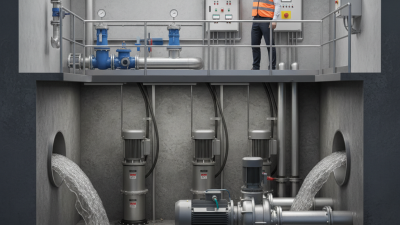
When dealing with inconsistent water pressure, a water pressure booster system can be a game-changer. These systems enhance water flow and pressure, ensuring a steady supply for household needs. Many homeowners overlook how essential adequate water pressure is for their daily activities.
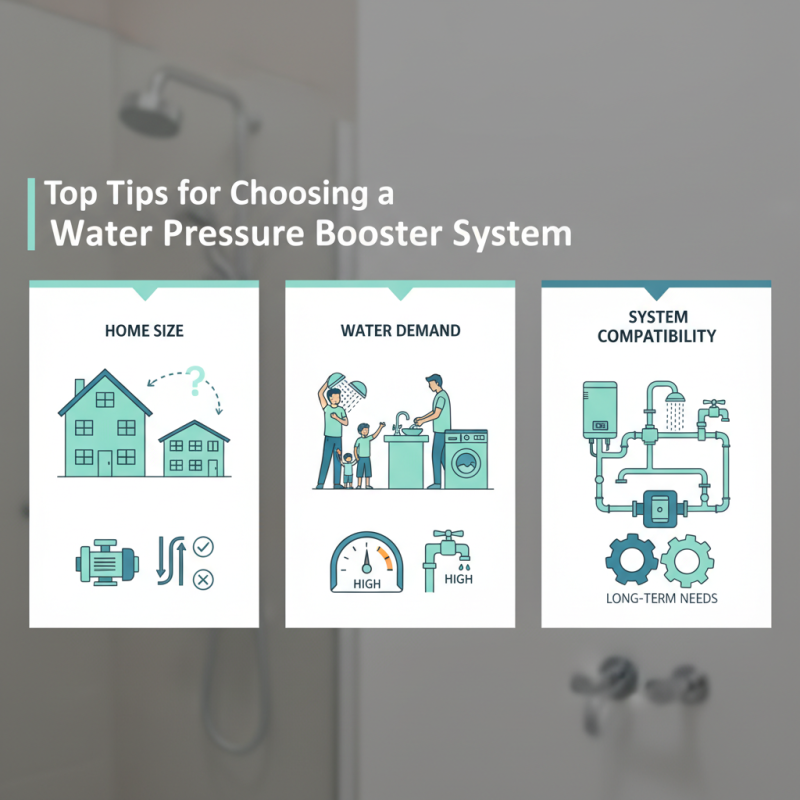
Selecting the right water pressure booster requires careful thought. It's not just about buying the most expensive model. Factors like home size, water demand, and system compatibility play major roles. You might find that a system suited for a small apartment fails to meet the needs of a larger home. This can lead to frustration and wasted resources.
Consider specifics like the pump’s horsepower and flow rate. These details could impact performance significantly. Additionally, reflect on your long-term needs. A system meeting today’s demands might falter tomorrow. Ultimately, choosing wisely can enhance convenience and efficiency.
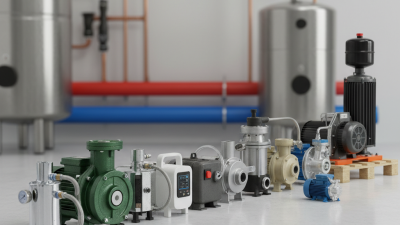
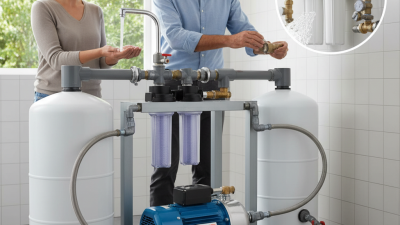
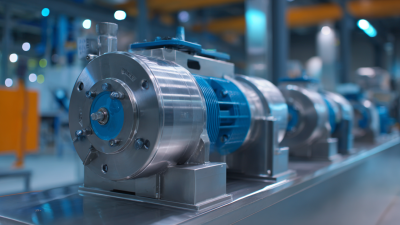
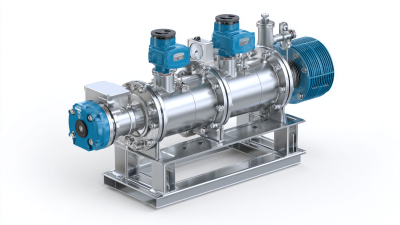
When considering a water pressure booster system, it's crucial to understand how they work. These systems increase the water pressure in your home. They are especially helpful in areas with low water pressure. A booster system typically includes a pump, a pressure tank, and controls. The pump draws water from the main supply. It then pushes the water into the pressure tank.
Choosing the right system can be tricky. Not every system suits every home. A small household may need a different setup than a larger one. You should assess your current water pressure first. Test the pressure at different times. Keep in mind that other factors affect water pressure, like pipe size.
Installation is another crucial factor. You might need professional help. However, some DIY enthusiasts like the challenge. Be careful! Improper installation can lead to leaks. Review your options thoroughly. A water pressure booster system can save you from low water flow. However, if misapplied, it could cause problems in the long run.
When assessing your water pressure needs, start by measuring your current water pressure. You can use a pressure gauge for this task. Ideally, home water pressure should be between 40 to 60 psi. If your readings fall below this range, a booster system may be necessary. Water pressure issues can stem from many sources, like pipe diameter or elevation differences. Consider these factors carefully.
Think about your daily water usage. Do you use multiple fixtures at once? Showers, dishwashers, and washing machines can drain pressure quickly. You might find the need for higher pressure during peak hours. This can impact your decision when choosing a booster system. Installing a strong, reliable system can improve your daily routines.
Tip: Look for systems that can adjust to changing water needs over time. You might also want to consider systems with energy-saving features. Test their performance under typical conditions you experience. Be open to options beyond what's immediately familiar.
This chart represents the distribution of households based on their water pressure needs. Understanding the water pressure levels helps in selecting the appropriate water pressure booster system.
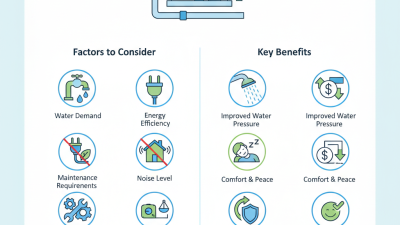
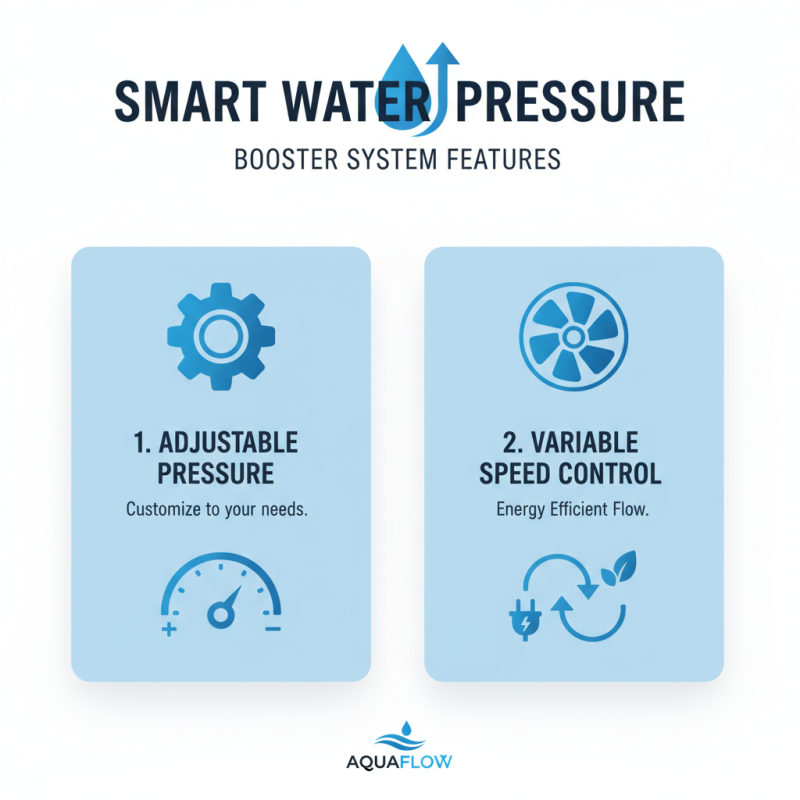
When selecting a water pressure booster system, key features should guide your decision. Look for a system with adjustable pressure settings. This allows you to customize the pressure according to specific needs. A model with variable speed control is beneficial too. It can increase or decrease the water flow efficiently. This can save energy and reduce wear and tear on the system.
Monitor the noise level of the booster system. Some units operate very quietly, which is ideal for residential areas. However, others can be quite loud. A noisy unit can be disruptive. Consider the installation space available. Compact designs may fit better in small areas but might lack some advanced features. Lastly, ensure the system has a robust warranty. It provides peace of mind and reflects the manufacturer's confidence in their product. Choosing wisely can prevent headaches down the road.
When choosing a water pressure booster system, energy efficiency and noise levels are crucial factors. An efficient system can save money on energy bills. Look for models that have energy-saving features. These systems often use less power but still maintain optimal pressure. Consider how often you use hot water, as this can impact energy consumption.
Noise levels in booster systems vary significantly. Some units operate quietly, while others produce noticeable sounds. Ideally, you want a system that works efficiently with minimal disruption. Read customer reviews to gauge noise levels in real-world scenarios. Look for systems with sound-dampening technology, but remember that these can sometimes be pricier.
Installation plays a role in both efficiency and noise levels. Poor installation can lead to vibration and excess noise. Before making a purchase, consult with a professional installer. It's essential to consider your specific needs, as not every system fits all homes. Balancing energy efficiency with acceptable noise levels is a challenge worth addressing.
When considering a water pressure booster system, installation is crucial. Proper placement of the pump can make a significant difference in overall efficiency. For instance, placing the booster close to the water source reduces pressure loss. According to industry data, a well-placed system can enhance water flow rates by up to 30%. Poor installation, however, can negate these benefits, leading to costly repairs later.
Maintenance is equally important for longevity. Regular checks on filters and hoses can prevent clogs and leaks. Many systems require an annual inspection, yet studies show that nearly 40% of users neglect this step. This oversight can lead to decreased performance and higher utility bills. Simple actions, like keeping the area around the pump clear, also contribute to its lifespan. Awareness of these factors can help users avoid unexpected maintenance issues and extend the life of their system.
| Aspect | Recommendation |
|---|---|
| Determine Required Pressure | Calculate the desired pressure level needed for your home. |
| System Size | Choose a system that suits your home’s size and water demand. |
| Pump Type | Select between centrifugal and positive displacement pumps based on application. |
| Power Source | Consider electric or solar-powered systems based on your energy preferences. |
| Noise Levels | Choose models with lower noise ratings for a quieter operation. |
| Installation Requirements | Ensure you understand the space and plumbing modifications needed for installation. |
| Maintenance Needs | Check for systems with easy maintenance access and parts availability. |
| Warranty and Support | Evaluate warranty terms and customer support services offered by the manufacturer. |
sale@harbertpump.com,
sale@harbertpump.com