Top Tips for Choosing the Best Hdpe Cutting Board?
When selecting the best Hdpe Cutting Board, expertise matters. Renowned culinary expert Chef Sarah Johnson notes, "A quality cutting board is essential for any kitchen." Her insights highlight the importance of choosing the right material, especially when it comes to HDPE.
HDPE, or high-density polyethylene, is favored by professionals for its durability and non-porous nature. This feature prevents bacteria from harboring, ensuring safer food preparation. Additionally, HDPE cutting boards are less likely to retain odors or flavors from previous meals. However, not all HDPE boards are created equal. Shoppers should pay attention to thickness, surface texture, and brand reputation.
Selecting an HDPE cutting board can be daunting. Misleading marketing claims and various choices may confuse buyers. Finding a board that suits your cooking style takes time and research. Reflecting on your kitchen habits can guide your decision. Carefully consider what features matter most to you in an HDPE cutting board.
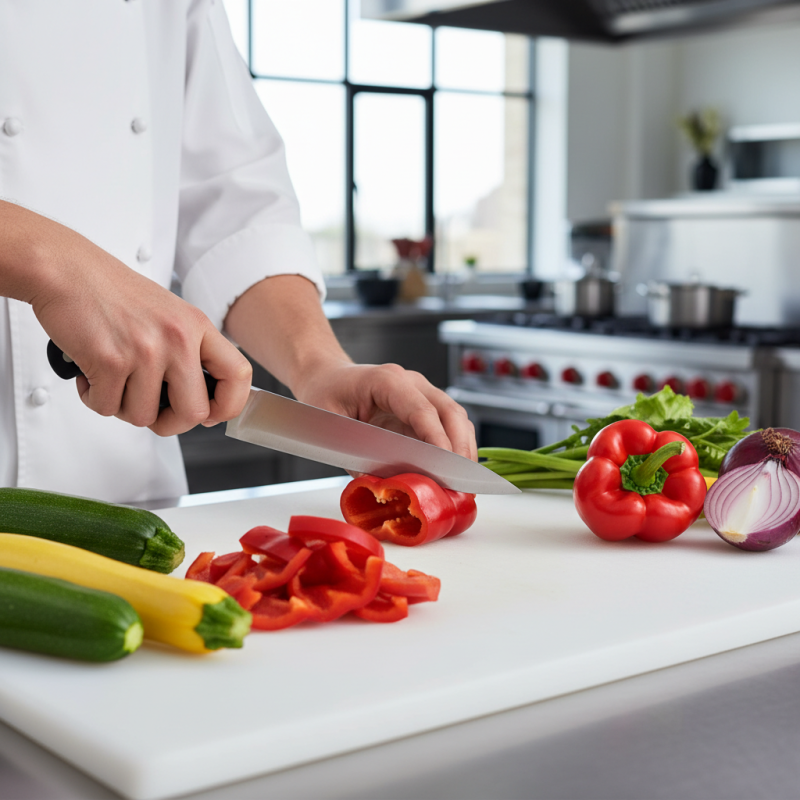
Understanding HDPE: Features and Benefits of HDPE Cutting Boards
When considering HDPE cutting boards, understanding their features and benefits is essential. HDPE, or high-density polyethylene, is known for its durability. It’s resistant to scratches and won't harbor bacteria easily. This makes it a preferred choice for both home cooks and professional chefs.
The texture of HDPE is soft on knife blades, which helps maintain sharpness longer than harder materials like glass or stone. Many users appreciate that it is lightweight, making it easy to handle. However, some might find its surface can dull knives over time. It's worth noting that cleaning is straightforward; most HDPE boards are dishwasher safe, but high heat can warp them.
Despite their advantages, not all HDPE cutting boards are created equal. Some may not have the right thickness, which affects stability. Additionally, color fading can occur over time, leading to a less appealing appearance. Investing in quality boards ensures longer-lasting performance and better kitchen experiences. It's crucial to inspect and choose carefully for the best results.
Factors to Consider When Selecting Size and Thickness of Cutting Boards
When selecting size and thickness for HDPE cutting boards, several critical factors come into play. Size significantly affects usability. Boards that are too small can lead to cramped workspaces, making it easy to accidentally cut oneself. Research suggests that boards with dimensions of at least 18x24 inches provide ample space for most kitchen tasks. However, for larger cuts of meat or multiple ingredients, consider a board that's even bigger.
Thickness is another important consideration. A thicker board, typically 1 inch or more, offers greater durability and resistance to warping. Reports indicate that thinner boards may flex or bow, making them less reliable over time. Many chefs prefer cutting boards between 1 to 1.5 inches for heavy use. Yet, one must also reflect on their kitchen space; thicker boards occupy more room, potentially limiting storage options.
The choice of size and thickness ultimately depends on individual needs. A smaller household may not need a very thick, large board. Conversely, professionals usually benefit from a substantial surface. The balance between convenience and effectiveness must be carefully assessed. Remember, investing in a suitable cutting board can enhance preparation efficiency while ensuring safety.
Comparing HDPE with Other Materials: Pros and Cons
When choosing a cutting board, it's essential to compare HDPE with other materials. HDPE, or high-density polyethylene, is a popular choice among chefs and home cooks. It is durable and resistant to deep scratches. Unlike wood, HDPE does not harbor bacteria as easily. This makes it a safer option for food preparation.
Glass and bamboo boards have their own pros and cons. Glass is easy to clean but can dull knives quickly. Bamboo offers an eco-friendly choice but may not be as durable as HDPE. Both may absorb liquid, which can lead to odor retention or warping over time. Balancing these factors is crucial when making your decision.
Tip: Look for a cutting board that suits your cooking style. If you prepare raw meats, a non-porous surface like HDPE is ideal. Another tip is to check for an NSF certification, which indicates a high level of safety and sanitation. Finally, leave room for growth; if you're evolving as a cook, consider boards that can adapt to diverse culinary tasks.
Maintenance Tips for Longevity of HDPE Cutting Boards
Maintaining an HDPE cutting board is vital for its longevity. Start by cleaning it properly after each use. Warm, soapy water works best. Avoid soaking it, as excessive moisture can warp the board. For stubborn stains, a mixture of baking soda and water can help restore its surface. Gently scrub with a non-abrasive sponge to prevent scratches.
Store your cutting board in a dry area. Humidity can lead to mold growth. If your board develops deep cuts or grooves, it might be time to sand it lightly. This can refresh the surface and extend its lifespan. Don't forget to oil your cutting board occasionally with food-safe mineral oil. This keeps the plastic from drying out, maintaining its flexibility.
Be mindful of how you use your cutting board. Avoid using it for raw meats if possible. This can lead to cross-contamination. While HDPE is resistant to bacteria, it's better to err on the side of caution. Regularly inspect your cutting board for any signs of wear. If it becomes excessively scratched or warped, consider replacing it.
Sustainability and Environmental Impact of HDPE Cutting Board Choices
When choosing an HDPE cutting board, consider its environmental impact. HDPE, or high-density polyethylene, is a plastic that is often touted for its recyclability. However, not all HDPE products are created equal. The sourcing and manufacturing processes can vary significantly, affecting their sustainability.
Opting for HDPE boards made from recycled materials helps reduce plastic waste. This choice supports a circular economy and lessens the demand for virgin plastics. Additionally, these boards can be recycled again at the end of their lifecycle, making them a more sustainable option. However, ensure the recycling label is clear and trustworthy. Not all claims are equally reliable.
Think about how long you expect the cutting board to last. A high-quality HDPE board may be more expensive initially, but its durability may reduce waste over time. Keep in mind that frequent replacements can negate the sustainability benefits. A careful evaluation of your cutting board's lifespan is essential for making a responsible choice.