Choosing the right Electrical Substation provider is crucial for energy projects. An effective substation can enhance grid reliability. However, not all providers offer the same quality or expertise.
Industry expert Dr. Jane Smith emphasizes, “The success of energy projects hinges on selecting the right Electrical Substation provider.” According to the latest report by the International Energy Agency, 70% of power distribution failures are linked to substandard substations. This statistic sheds light on the importance of careful selection.
Substations are at the heart of power distribution. Their efficiency impacts the entire energy supply chain. With growing demands for electrical capacity, choosing a reliable provider is more critical than ever. Consider the provider's experience, technology, and customer feedback. A well-informed choice can prevent costly outages and enhance operational stability. However, many still overlook essential selection criteria. Evaluate each option thoroughly to foster long-term success.
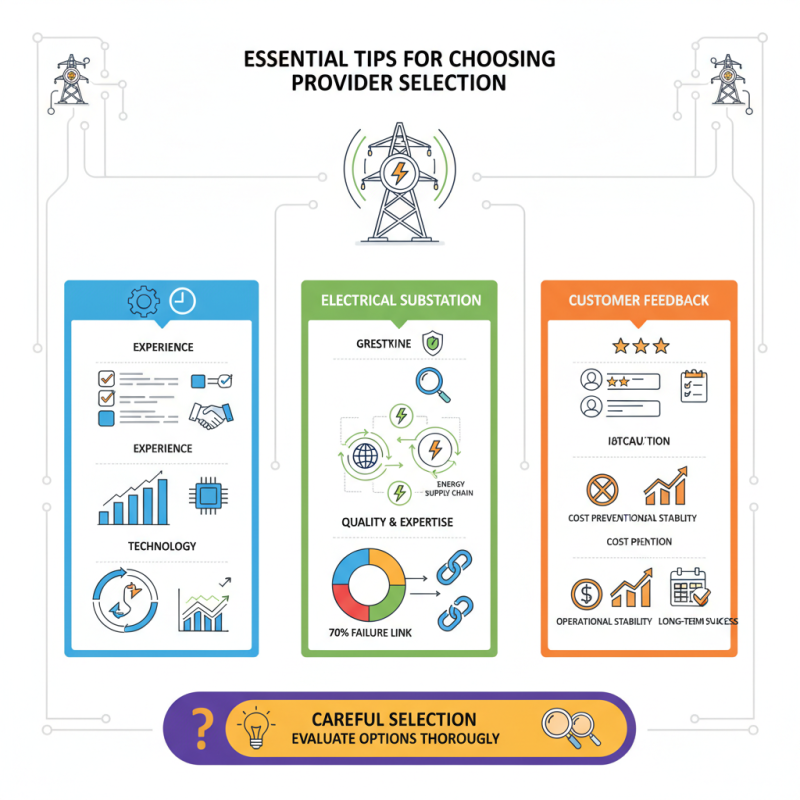
When selecting an electrical substation provider, several factors should guide your decision. Experience is crucial; look for a company with a proven track record. They should demonstrate successful project completions across diverse environments. Ask for case studies or references to gauge their expertise in handling various challenges.
Evaluate the technical capabilities of potential providers. A reputable provider should offer modern solutions that align with industry standards. Their staff should be skilled and knowledgeable. Ensure they invest in ongoing training and certification. This commitment reflects their reliability and dedication to safety.
Also, consider customer support and maintenance services. A quality provider should offer robust after-sales support. This can significantly impact the longevity and performance of your substation. Seek providers known for prompt response times and effective communication.
Finally, request quotes and assess the overall value rather than just the cost. High-quality service may come at a premium, but the long-term benefits can justify the investment. Choosing an electrical substation provider is not just about price; it's about finding a partner that can support your needs effectively.
Choosing the right electrical substation provider hinges heavily on their technical expertise. This expertise not only includes understanding current technologies but also keeping pace with industry advancements. According to a recent report by the Electric Power Research Institute, around 35% of substation failures stem from poor installation or inadequate technical knowledge. Therefore, verifying a provider's technical background is crucial.
Assess the certifications and training of the workforce. Well-trained personnel can minimize operational risks. A study noted that providers with advanced training programs saw a 25% reduction in downtime. Every detail matters. Inquire about their experience with various equipment types and technologies. Familiarity with your specific needs can prevent costly operational disruptions.
Experience plays a pivotal role in technical capability. Providers with over ten years of experience are often more adept at navigating complex challenges. They should demonstrate an understanding of both local and global safety regulations. Yet, it’s essential to keep in mind that even seasoned providers can overlook emerging technologies. Regular assessments of their projects can reveal gaps in their technical application. This reflection can lead to better decision-making in the future.
When selecting an electrical substation provider, assessing reliability and reputation is crucial. A solid reputation often indicates a provider’s experience and professionalism. Look for providers with a proven track record. Check testimonials from previous clients and their experiences. This step will help gauge the provider’s capability and service quality.
Another essential aspect is the provider's recognition within the industry. Certifications and affiliations can signify their commitment to standards. Ensure they are well-regarded in the electrical community. Engaging with industry forums can provide insights. Hearing from peers can clarify which providers adapt best to challenges. This feedback offers a real-world perspective on their reliability.
Do not overlook the importance of communication. A reliable provider should be accessible and transparent. Discussing your specific requirements should feel comfortable and informative. If they lack clarity or responsiveness, consider that a red flag. Evaluate how they handle your inquiries; this reflects their customer service approach. Balancing reputation while addressing your unique needs can be complex, so take the time required to ensure the best choice.
| Provider Criteria | Importance Level | Assessment Method | Rating Scale | Notes |
|---|---|---|---|---|
| Industry Experience | High | Years in Business | 1-10+ | Look for 10+ years for reliability |
| Certifications | High | Verification of Credentials | Pass/Fail | Ensure compliance with industry standards |
| Customer Reviews | Medium | Online Ratings | 1-5 stars | Look for consistency in positive feedback |
| Service Offerings | Medium | List of Services | Comprehensive/Partial | Confirm ability to meet all project needs |
| Warranty and Support | High | Policy Review | Yes/No | Strong warranty indicates confidence in services provided |
When selecting an electrical substation provider, understanding compliance and safety standards is crucial. These guidelines ensure reliable and safe operations. A well-designed substation must adhere to national and local regulations. Additionally, considering industry standards like IEC or IEEE will enhance safety protocols.
Tips for compliance: include verifying certifications. Request documentation that proves compliance with safety standards. This can prevent costly errors down the line. Inspect the provider’s experience with similar projects; practical knowledge often outweighs theoretical understanding.
Safety measures should not be an afterthought. Ensure that the provider incorporates safety features in the design phase. This includes proper grounding and protection systems. Establishing clear communication channels with your provider is essential. Discussing safety practices can reveal potential gaps in your design approach. Regular reviews of compliance status can also be beneficial.
When planning an electrical substation project, budgeting is crucial. Costs can vary significantly based on design, location, and equipment. How do you ensure cost-effectiveness? Start by gathering multiple quotes. Each provider might offer different pricing models. Compare these carefully, but look beyond just the numbers. Consider the quality of materials and the long-term reliability of the services.
It's vital to analyze ongoing costs too. Maintenance and operational expenses add up over time. Choosing a provider solely based on the initial offer can lead to higher costs later. Sometimes, a cheaper option may skimp on crucial features. Ask for detailed breakdowns of costs. This can reveal hidden expenses that you may encounter.
Reflect on your project's specific needs. Are you aiming for future expansions? Ensure the provider can accommodate growth. Balancing your budget against these factors requires thought and skill. It’s not just about the lowest bid; it’s about sustainable success. Investing wisely now can save money in the long run. A well-structured budget today means fewer headaches tomorrow.
sale@harbertpump.com,
sale@harbertpump.com