Choosing the right domestic water booster pump is crucial for ensuring a consistent water supply in your home. Water pressure can vary due to numerous factors, affecting everyday tasks like showering and washing dishes. A suitable pump can make a significant difference.
When selecting a domestic water booster pump, consider the specific needs of your household. Factors like water usage, pressure requirements, and installation space matter. Research different models and their specifications to find one that fits your situation best.
Always opt for reputable brands to ensure reliability. Investing in a quality pump can prevent future issues and save you money in the long run. However, remember that the most expensive model isn't always the best choice. Reflect on your actual water needs and consult with professionals if necessary.
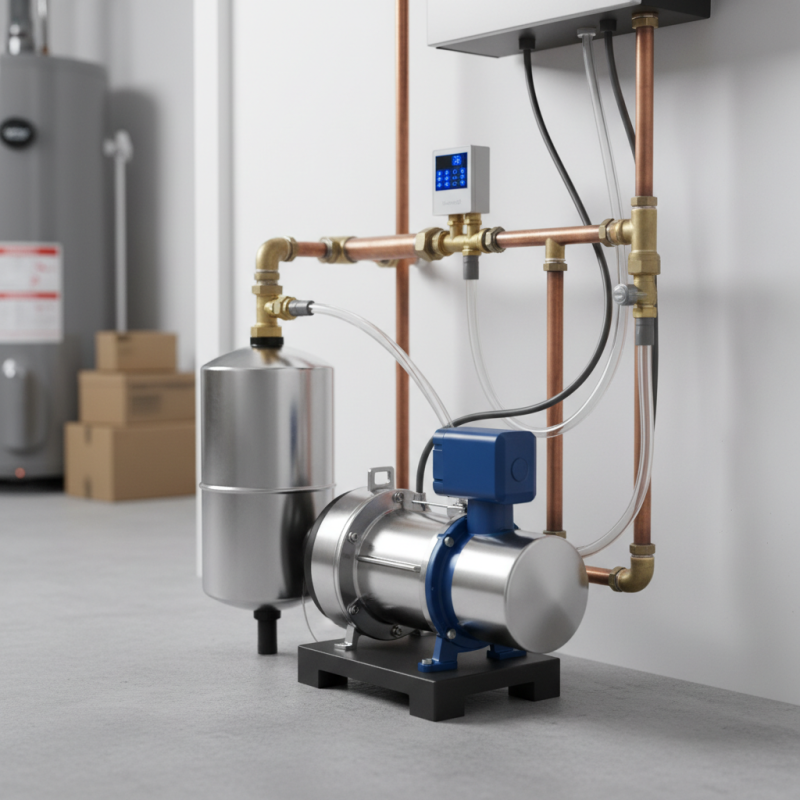
When selecting a domestic water booster pump, understanding the key concepts is crucial. These pumps increase water pressure, ensuring a steady flow for your daily needs. A reliable model should meet your water consumption and pressure requirements. Familiarize yourself with terms like flow rate and head pressure. These factors determine how effectively the pump operates in your home.
Consider your specific needs. Different homes may have varied water demands. A large household might need a high-capacity pump. Smaller spaces could work well with more compact models. Assess the layout of your plumbing system. Complex configurations may affect pump performance. Researching and comparing different types can save you from costly mistakes.
Installation plays a significant role in performance. Improper setup can lead to inefficiencies. Seek professional guidance for the best results. Regular maintenance is also essential. Neglect could result in reduced longevity and functionality. By understanding these concepts, you make informed decisions when purchasing a water booster pump.
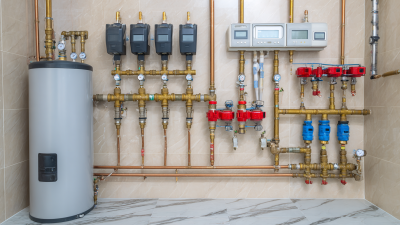
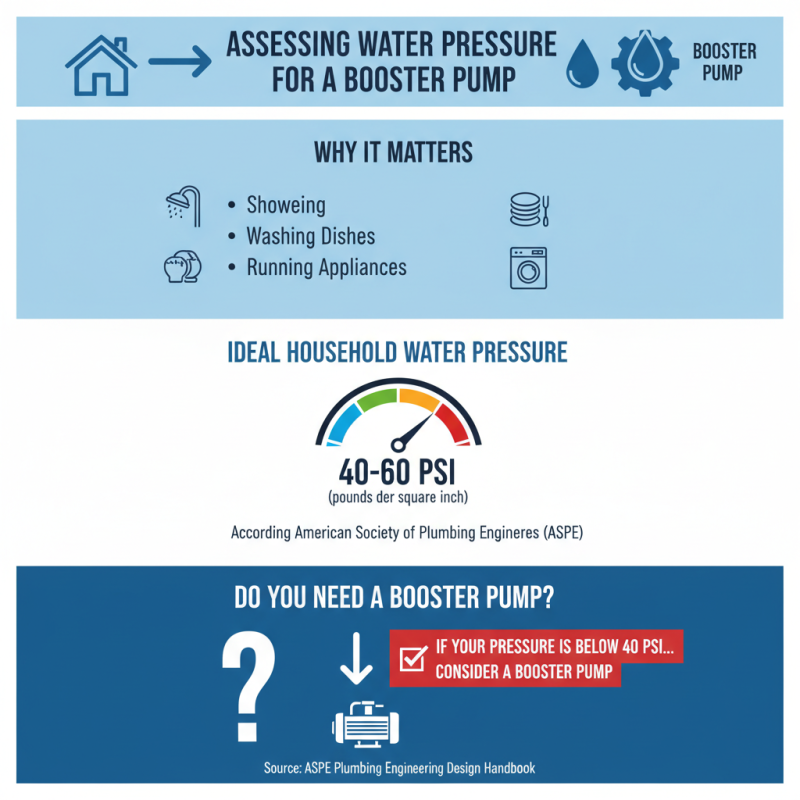
When choosing a domestic water booster pump, assessing your water pressure needs is crucial. Water pressure directly affects daily activities like showering, washing dishes, and running appliances. According to the American Society of Plumbing Engineers, ideal household water pressure ranges from 40 to 60 psi (pounds per square inch). Anything below this range may indicate a need for a booster pump.
It’s essential to measure your current water pressure before making a decision. Use a pressure gauge on an outdoor faucet. If the readings are low, a booster pump might be necessary. However, consider that installing a pump can lead to additional maintenance. Sometimes, addressing underlying plumbing issues might yield better long-term results.
Tip: Evaluate your household’s peak water usage times. This will help determine the appropriate flow rate for your booster pump. If your flow rate needs are high, focus on pumps that can handle greater demands. Additionally, check noise levels. Some pumps can be quite loud, which may impact comfort within your home.
Understanding your actual needs and constraints will guide you towards the best choice. Awareness of proper installation and potential operational costs is equally important. While a booster pump can enhance your water pressure, it’s vital to weigh benefits against any complications that may arise.
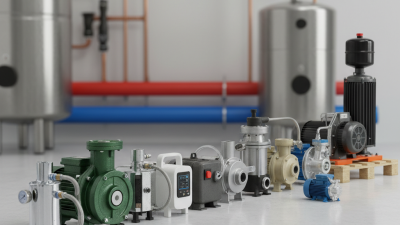
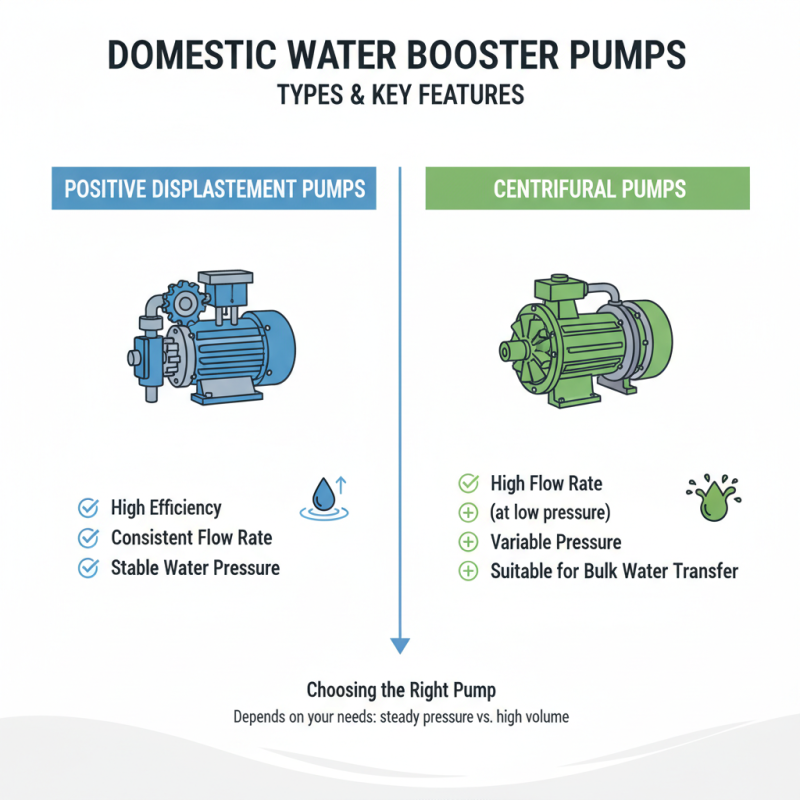
When selecting a domestic water booster pump, understanding the types and their features is crucial. There are two main types: positive displacement pumps and centrifugal pumps. Positive displacement pumps are known for their efficiency. They deliver a consistent flow rate, even at varying pressure. These pumps are ideal for applications needing steady water pressure.
Centrifugal pumps, on the other hand, are commonly used in residential settings. They rely on rotational energy to move water. This type is generally less expensive and requires minimal maintenance. According to research from the Pump Systems Matter, approximately 65% of homes prefer centrifugal pumps due to their reliability and lower upfront costs. However, they may not perform as well at peak demand times, which could lead to fluctuations in water pressure.
When assessing features, homeowners should consider factors like noise levels and energy efficiency. Some pumps come equipped with variable speed drives. This technology helps maintain optimal water pressure while reducing energy consumption. Reports indicate that utilizing variable speed drives can decrease energy use by 20-50% in residential applications. A detailed analysis of your household’s water demands can significantly impact the right choice you make.
Choosing the right domestic water booster pump can be a daunting task. It's essential to understand the factors involved. Start by examining your water pressure requirements. This varies widely depending on your home’s plumbing system. Consider the number of outlets you frequently use. More outlets mean you need a pump with higher capacity.
Next, look at the motor power. A pump with insufficient power may struggle to meet demands. Pay attention to the pump's efficiency rating. Higher efficiency translates to lower energy costs in the long run. Noise levels are also crucial. A quiet pump ensures comfort, especially if it's installed near living areas.
Don’t forget about installation and maintenance. Some pumps are easier to install and require less frequent maintenance. Check the warranty and customer support options. A reliable pump should come with strong support from the manufacturer. Gather feedback from current users; real experiences can highlight potential issues. Remember, the best pump is one that fits your unique needs. Reflect on your choices and how they affect your daily life.
When it comes to maintaining your domestic water booster pump, regular upkeep is crucial for optimal performance. Check the pump's pressure settings. Adjusting them ensures the system operates efficiently. A pressure gauge can help you monitor these settings effectively. Keep an eye on any strange noises. Unusual sounds may indicate mechanical issues that need attention.
Routine inspection is essential. Inspect the connections and seals for leaks. Tightening loose fittings can prevent future problems. Clean the pump's filter regularly to minimize blockages. Accumulated dirt can lead to lower efficiency. Be mindful of vibrations. Excessive vibration might signal wear and tear. Addressing these issues promptly can prolong the pump’s lifespan.
Don’t overlook the importance of professional help. Schedule annual inspections with a knowledgeable technician. They can identify potential risks early on. It’s worth considering the materials of your plumbing connections. High-quality materials can significantly impact performance and longevity. Remember, a well-maintained pump not only works better but also saves on energy costs. Keeping up with these maintenance tips ensures reliability and peace of mind in your water supply system.
When choosing a domestic water booster pump, consider key features such as pressure rating, flow rate, energy efficiency, noise level, and price to ensure optimal performance and reliability.
sale@harbertpump.com,
sale@harbertpump.com