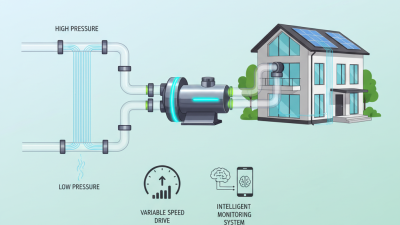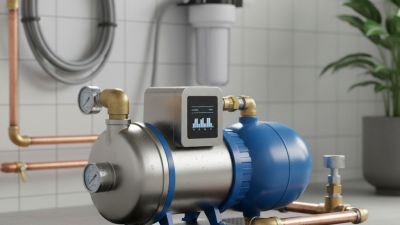
A pressure pump is an essential device used in various applications. It plays a crucial role in moving fluids. Understanding how a pressure pump operates can provide valuable insights into its importance.
Pressure pumps work by increasing the pressure of liquids. They are found in many systems, from water supply to industrial processes. How these pumps function can vary based on their design. Some use electricity, while others rely on manual operation. There are different types, each with unique features.
Exploring the mechanisms of pressure pumps reveals their complexity. Often, people assume these pumps are straightforward. However, inefficiencies can arise in their operation. Sometimes, maintenance is overlooked, leading to problems. Proper care is vital to ensure optimal performance and longevity. By exploring these devices, we gain a deeper understanding of fluid dynamics and efficiency in various systems.
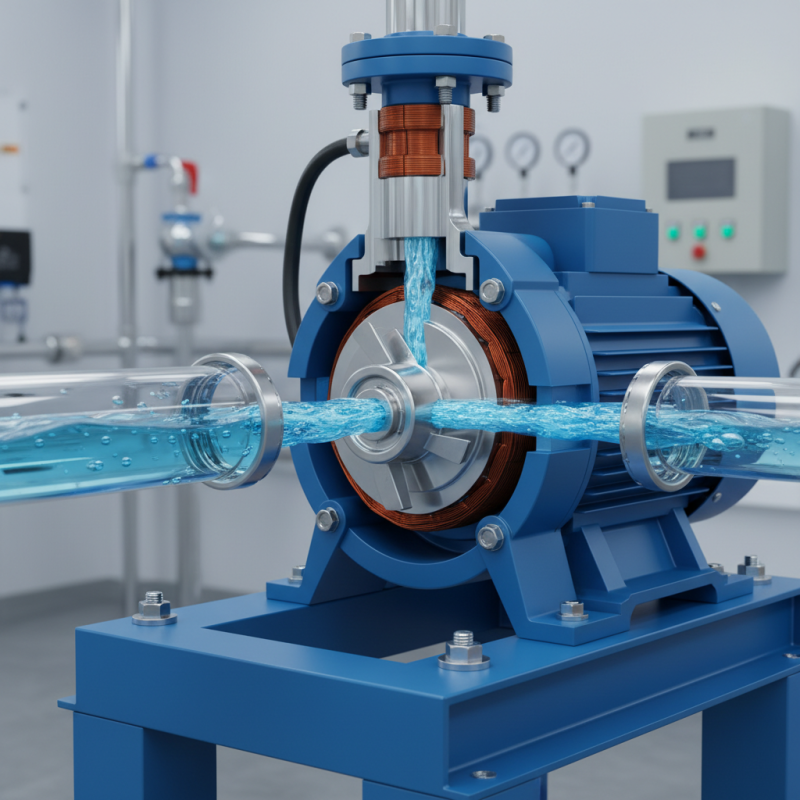
A pressure pump is essential in various industries. It functions by increasing the pressure of a fluid, allowing it to flow more effectively through pipes and systems. Pressure pumps come in several types, including centrifugal, positive displacement, and diaphragm pumps. Each type has unique applications, often driven by specific industry needs.
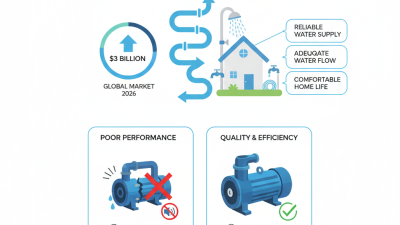
For instance, centrifugal pumps are commonly used in water supply and chemical processing. According to a recent report by Research and Markets, the global centrifugal pump market is expected to grow at a CAGR of 4.5% from 2021 to 2026. This shows the rising demand for efficient fluid transfer solutions. Conversely, positive displacement pumps are favored in high-viscosity fluid applications. They can handle thicker substances, making them suitable for food and pharmaceutical industries.
Tips: Regular maintenance of pressure pumps is crucial. Check for leaks or unusual sounds to ensure optimal performance. Always refer to the manufacturer’s guidelines for specific maintenance schedules.
Inaccuracies in selecting the right pump can lead to inefficiencies. Consider flow rate, viscosity, and pressure requirements carefully. Investing time in the selection process can save costs. Don't overlook the importance of training personnel in proper operation techniques. This helps in preventing issues caused by improper use.
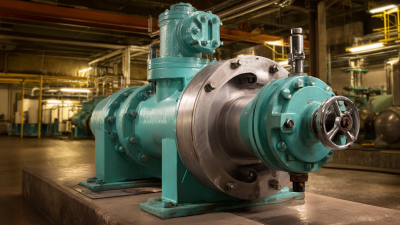
Pressure pumps play a crucial role in many applications. They work by converting mechanical energy into fluid pressure. This transformation usually involves rotating components. These components create suction and push fluids through a system.
The mechanism is often simple but needs precision. A common type is the centrifugal pump. It uses a rotating impeller to direct the fluid toward the discharge outlet. As the impeller spins, it moves the liquid outward, generating pressure. However, it can struggle with viscous fluids or large solids. This can create blockages.
Another type is the positive displacement pump. It traps a fixed volume of liquid and then forces it into the pipeline. This method is efficient for high-pressure systems. But, it can wear down over time. Users often overlook maintenance, which affects performance. Both types have their pros and cons. Understanding them is essential for effective use.
This chart illustrates the efficiency of different types of pressure pumps. Each type varies in how effectively it generates pressure, with diaphragm pumps generally showing the highest efficiency, followed by centrifugal and peristaltic pumps.
Pressure pumps play a crucial role in various industries. They are designed to increase the pressure of fluids for different applications.
In the agricultural sector, for example, pressure pumps are essential for irrigation systems. They ensure that water reaches crops effectively. Farmers rely on these pumps to maintain soil moisture and boost crop quality.
In construction, pressure pumps facilitate the movement of water and other fluids. They are often used for concrete pumping or dewatering sites. Construction workers depend on these pumps to ensure projects stay on schedule.
In the automotive industry, pressure pumps assist in fuel delivery systems. They help cars perform optimally, enhancing engine efficiency.
Despite their importance, some users may overlook maintenance. Neglecting regular checks can lead to failures. Common issues include leaks and pressure drops. Users should be aware of these risks and prioritize upkeep. Understanding the dynamics of pressure pumps can enhance their effectiveness across different settings.
Pressure pumps play a vital role in various industries. Their efficiency is usually measured through performance ratings, which indicate how effectively a pump converts energy into fluid movement. The performance metrics can vary significantly based on the design and intended application of the pump.
An industry report from the Hydraulic Institute notes that the efficiency of pressure pumps can range between 50% to 80%. However, many pumps underperform in real-life situations. For example, a poorly matched pump system can reduce overall efficiency by up to 20%. This inefficiency can lead to increased energy costs and a shorter lifespan for the pump.
Some common efficiency metrics include flow rate and pressure capability. Pumps with high flow rates may consume more energy, raising operational costs. According to a study from the American Society of Mechanical Engineers, optimizing for both flow rate and pressure can result in up to 30% energy savings. It's crucial to regularly assess the performance of pressure pumps. Routine checks can reveal inefficiencies and help address underlying issues before they escalate.
| Pump Type | Maximum Pressure (psi) | Flow Rate (GPM) | Efficiency (%) | Power Consumption (HP) |
|---|---|---|---|---|
| Centrifugal Pump | 150 | 20 | 75 | 5 |
| Positive Displacement Pump | 300 | 10 | 85 | 7.5 |
| Diaphragm Pump | 100 | 15 | 80 | 3 |
| Submersible Pump | 200 | 25 | 70 | 6 |
| Gear Pump | 250 | 5 | 90 | 4 |
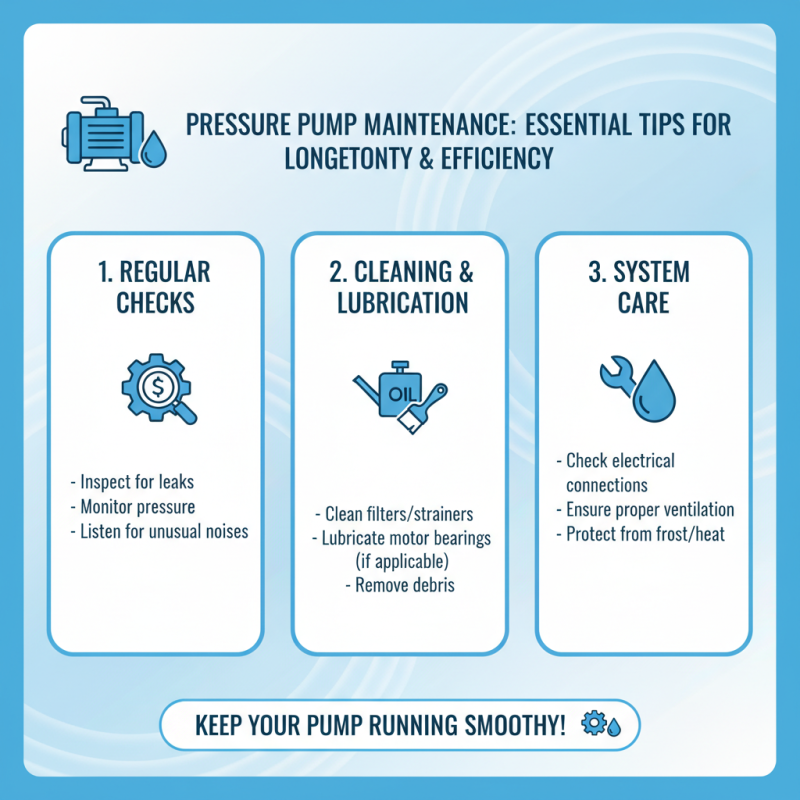
Pressure pumps are vital for various applications, from household water supply to industrial systems. To keep these pumps functioning well, regular maintenance is essential. A few simple tips can help ensure their longevity and efficiency.
Regularly check the pump’s inlet filter. Debris can block the flow, causing strain on the motor. Cleaning this filter every month can prevent issues. It’s also important to monitor the pressure settings. An incorrect setting can lead to overheating or excessive wear. Adjusting the pressure to the recommended level is key to avoiding damage.
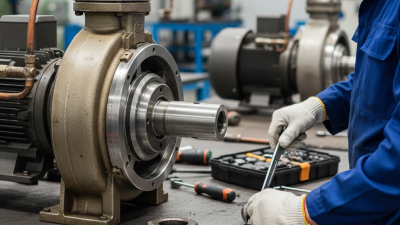
Lubrication is another crucial aspect. Ensure that all moving parts receive adequate lubrication. This reduces friction and heat, extending the pump’s life. Don't forget to inspect the seals and connections. Leaks can lead to serious problems over time, so early detection is vital. Neglecting these small details can result in costly repairs later on. In a way, maintaining a pressure pump is about respecting its needs, much like caring for a living thing.
sale@harbertpump.com,
sale@harbertpump.com