What is an HVAC Pump and How Does It Work in Your Heating and Cooling System
In the realm of heating and cooling systems, the HVAC pump plays a vital role in ensuring comfort within our living and working environments. As John Smith, a renowned HVAC expert, aptly puts it, "An HVAC pump is the heart of your system, circulating the essential fluids that provide warmth in winter and coolness in summer." This statement underscores the significance of the HVAC pump in maintaining efficient temperature control, which is crucial for energy management and overall system performance.
An HVAC pump functions by moving heat transfer fluids between the heating or cooling system and the space being conditioned. By effectively circulating these fluids, the pump helps regulate indoor temperatures, providing a consistent and comfortable environment. Understanding how an HVAC pump operates not only empowers homeowners to maintain their systems better but also highlights the importance of regular maintenance in prolonging the life of the HVAC system.
As we delve deeper into the workings of HVAC pumps, we will explore their components, types, and the intricate mechanics that enable them to perform effectively. A thorough grasp of this essential component is indispensable for anyone looking to improve their heating and cooling system, ensuring that it operates efficiently and reliably throughout the year.
What is an HVAC Pump and Its Role in Climate Control Systems
An HVAC pump is integral to the operation of climate control systems, playing a crucial role in the distribution of heated or cooled air throughout a building. In essence, the HVAC pump facilitates the movement of water or refrigerant within the heating and cooling systems. This movement allows for efficient temperature regulation, ensuring that your indoor environment remains comfortable regardless of the weather outside. Pumps are typically found in hydronic heating systems, where they circulate hot water from a boiler, and in cooling systems, where they help move refrigerant around to absorb and dissipate heat.
The functionality of an HVAC pump is pivotal in maintaining energy efficiency and comfort levels. When a heating or cooling system is activated, the pump works to circulate the fluid needed to transfer heat. This process not only helps maintain desired temperatures but also enhances system performance and longevity. By continuously circulating the medium, the HVAC pump helps to balance temperature zones within a building, minimizing fluctuations that can lead to discomfort. Regular maintenance of the pump ensures optimal operation and can prevent costly repairs, further highlighting its role in an efficient climate control system.
Types of HVAC Pumps Used in Heating and Cooling Applications
HVAC pumps play a crucial role in both heating and cooling systems, acting as the heart that circulates water or refrigerant to ensure that your home maintains a comfortable temperature. There are several types of HVAC pumps commonly used in these applications, each designed to meet specific needs. Typically, circulator pumps, booster pumps, and sump pumps are employed.
Circulator pumps are essential in hydronic heating systems, ensuring that heated water is distributed throughout the home efficiently. Booster pumps are utilized to increase water pressure in systems where the existing pressure is inadequate, while sump pumps are important for removing excess water, preventing flooding and moisture issues.
When selecting the right HVAC pump for your system, it’s important to consider your specific heating and cooling needs. For example, if your home has multiple levels, a variable-speed circulator pump can provide better zone control and efficiency. Additionally, current energy efficiency laws mandate that pumps meet certain standards; thus, choosing an energy-efficient unit not only saves on utility bills but also boosts the overall environmental performance of your heating and cooling system.
Tips: Regular maintenance of your HVAC pump can extend its lifespan and improve efficiency. Periodically check for any leaks, ensure that the filters are clean, and monitor the pump's performance to catch any issues early. This proactive approach can significantly enhance the overall performance of your heating and cooling system.
How HVAC Pumps Function: Key Components and Mechanisms
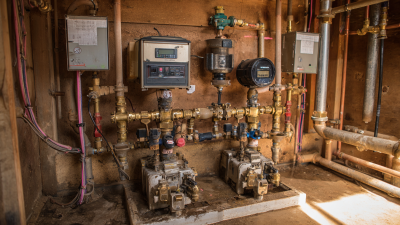
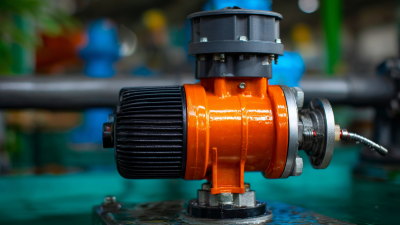
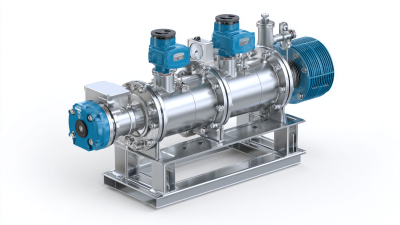
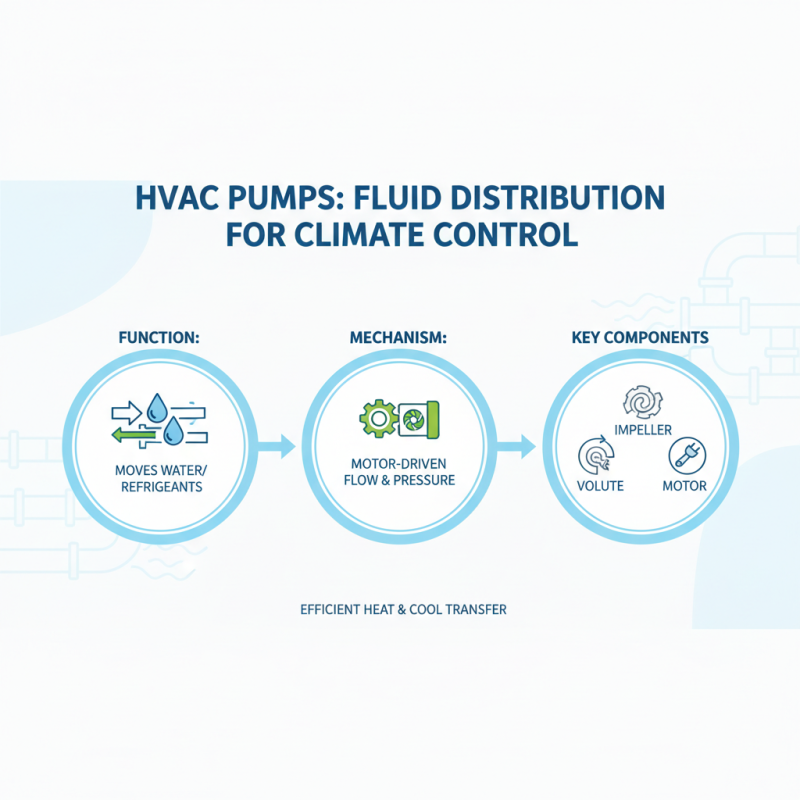
HVAC pumps are essential components within heating, ventilation, and air conditioning systems, playing a crucial role in the distribution of fluid for heating and cooling purposes. At the heart of an HVAC pump's function lies its ability to move water or refrigerants throughout the system. These pumps utilize a motor-driven mechanism that generates flow and pressure, enabling efficient transfer of the heated or cooled fluids. Key components of an HVAC pump include the impeller, volute, and motor, each working together to ensure smooth operation and optimal performance.
The impeller is designed to impart kinetic energy to the fluid, increasing its velocity as it moves through the pump. This process is facilitated by the volute, which is a casing that helps convert the fluid’s velocity into pressure, allowing it to be pushed through the system effectively. Additionally, the pump's motor activates the impeller, while often incorporating features such as variable speed controls, which allow for adaptability based on system demands. This integration of components ensures that HVAC pumps operate efficiently, maintaining consistent temperature control and enhancing overall comfort in residential and commercial settings.
Maintenance and Troubleshooting Tips for HVAC Pumps
Maintaining your HVAC pump is essential for the efficient operation of your heating and cooling system. Regular maintenance can prevent costly repairs and ensure that your system runs smoothly. Start by checking the pump for any signs of leaks or corrosion. Make sure that the inlet and outlet lines are clear of obstructions and that there is no debris blocking the water flow. Clearing any accumulated dirt or buildup around the pump can also enhance its performance. Regularly inspect the electrical connections and ensure that they are secure, as loose wires can lead to malfunction.
When troubleshooting your HVAC pump, it's important to be aware of common issues that can arise. If you notice unusual noises, like grinding or rattling, it may indicate a mechanical problem within the pump. Additionally, if water is not circulating properly, check the filter, as a clogged filter can restrict flow. Monitoring the pump's pressure gauge can also help identify any irregularities in operation. If the pump continues to malfunction, consulting with a professional technician can provide further insights and necessary repairs, ensuring your HVAC system remains efficient and reliable.
The Importance of HVAC Pumps in Energy Efficiency and Comfort
HVAC pumps play a vital role in the efficiency and comfort of heating and cooling systems. They are responsible for circulating water or refrigerant through the system, ensuring that temperatures remain consistent in your space. By effectively moving heat to and from indoor and outdoor environments, these pumps help regulate climate control, making them essential for maintaining energy efficiency. When properly functioning, HVAC pumps can significantly reduce energy consumption and costs, contributing to a more sustainable and comfortable living environment.
To enhance the efficiency of your HVAC pump, regular maintenance is crucial. Checking for leaks, ensuring that filters are clean, and monitoring fluid levels can prevent minor issues from escalating into major problems. Additionally, consider upgrading to variable speed pumps, which can adjust their operation based on demand, optimizing energy use.
Another tip is to insulate pipes and ducts to minimize heat loss and improve temperature control. Proper insulation helps maintain the system's efficiency and reduces the workload on your HVAC pump. With these simple practices, you can not only prolong the life of your pump but also enjoy a more energy-efficient and comfortable home environment.
What is an HVAC Pump and How Does It Work in Your Heating and Cooling System - The Importance of HVAC Pumps in Energy Efficiency and Comfort
| Data Dimension |
Value |
| Pump Type |
Centrifugal Pump |
| Typical Flow Rate |
15-50 GPM |
| Efficiency Rating |
70-90% |
| Common Applications |
Residential & Commercial HVAC |
| Lifetime Expectancy |
10-15 years |
| Impact on Energy Efficiency |
High |
| Key Maintenance Factor |
Regular Filter Changes |
| Noise Level |
Quiet (below 60 dB) |
| Power Source |
Electric |