Choosing the right sewage pump system is crucial for effective wastewater management. According to a recent report by the National Sanitation Foundation, improper selection can lead to increased maintenance costs and system failures. The right system can reduce energy consumption by up to 30%.
Expert John Smith, a recognized figure in wastewater engineering, once stated, “Selecting the appropriate sewage pump system can make all the difference in efficiency and operational cost.” His emphasis on the importance of tailored solutions highlights the complexity of this decision-making process.
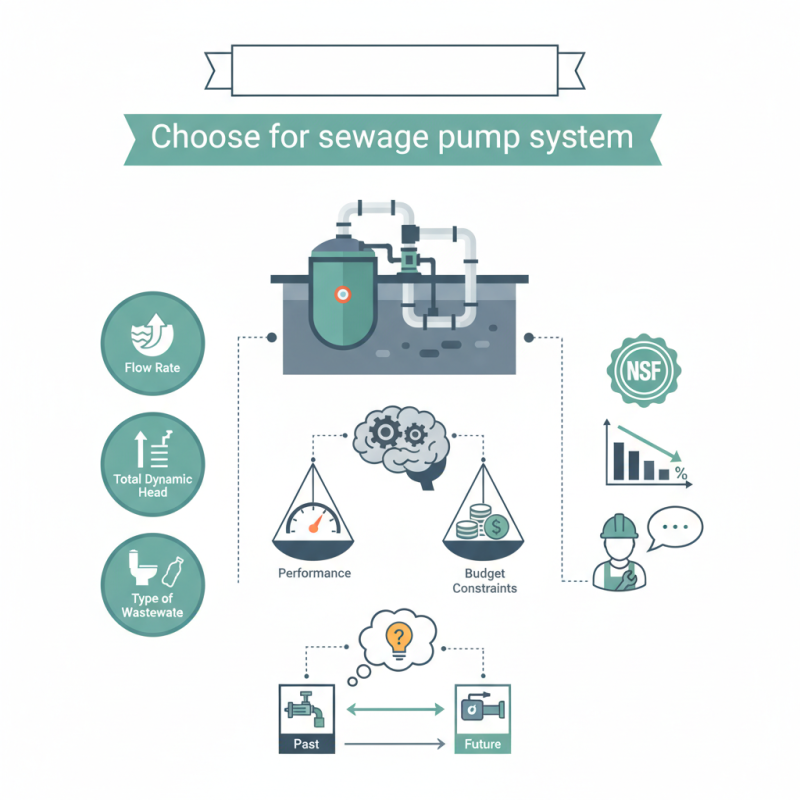
Understanding your specific needs is essential. Consider factors like flow rate, total dynamic head, and the type of wastewater involved. Many find it overwhelming to sift through technical specifications and various model options. It’s necessary to balance performance with budget constraints. Reflecting on past choices can help prevent future pitfalls.
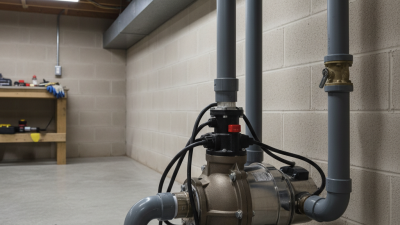
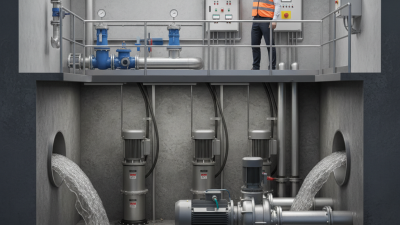
When selecting a sewage pump system, understanding the various types available is crucial. Submersible pumps are common in both residential and commercial settings. They operate underwater and are ideal for handling wastewater. According to the National Association of Plumbing Inspectors, approximately 60% of residential systems utilize submersible pumps due to their efficiency and space-saving design.
Another type is the effluent pump. These pumps handle liquid sewage with fewer solids, typically used when gravity drainage is insufficient. Effluent pumps can be cost-effective, as their simple mechanics reduce maintenance needs. A report from the American Society of Plumbing Engineers indicates that effluent pumps account for 25% of installed municipal systems.
Lastly, grinder pumps are essential for homes below the main sewer line. They grind up waste before pumping it through small-diameter pipes. This feature makes them suitable for areas lacking suitable gravity flow. However, they require careful maintenance to prevent clogging, an issue that homeowners should anticipate. Each system has unique challenges, and understanding these can guide effective choices. Avoiding a one-size-fits-all approach is critical for optimal performance.
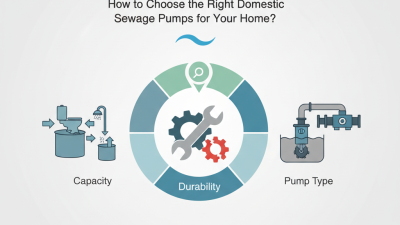
Choosing the right sewage pump system requires careful consideration of multiple factors. First, assess your specific needs. Understand the volume of wastewater you anticipate. This helps in selecting the right pump capacity. Consider the distance the sewage will travel. It determines the horsepower needed for the pump.
When evaluating options, think about the type of sewage you're dealing with. Some pumps are better suited for solids, while others handle liquids efficiently. It’s crucial to match the pump type with your sewage characteristics. Don't overlook installation and maintenance requirements. A system that seems ideal might become a hassle if it's difficult to maintain.
**Tips:** Always consult local regulations before installation. They may dictate specific requirements for sewage systems. Review energy efficiency ratings to avoid high operational costs. Make sure the chosen system meets your local code and safety standards.
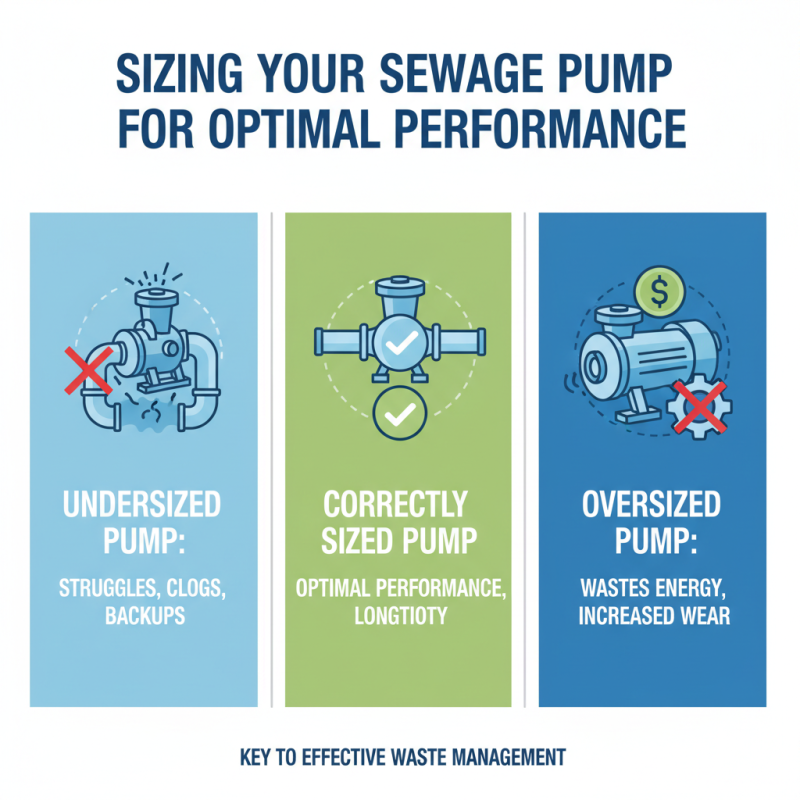
Choosing the right sewage pump system is crucial for effective waste management. Sizing your sewage pump correctly ensures optimal performance and longevity. An undersized pump may struggle, leading to clogs and backups. Conversely, an oversized pump can waste energy and increase wear.
To determine the right size, assess the flow rate and head requirements. Calculate the total dynamic head, considering elevation changes and friction losses. For residential systems, a simple formula can estimate flow rates based on the number of plumbing fixtures. A bathroom usually requires 20-30 gallons per minute. This baseline helps guide your selection.
Sometimes, specific needs complicate sizing. For instance, multi-story homes may require additional lifting power. Environmental factors, such as heavy rainfall or soil conditions, also influence pump performance. Re-evaluating requirements over time is essential. Pumps may not perform as expected in aging systems. Frequent maintenance checks can address this, ensuring efficiency and reliability.
When considering the installation of sewage pump systems, several factors come into play. Proper placement is crucial for effective drainage. According to the American Society of Civil Engineers, approximately 88% of pump failures result from incorrect installation. Ensuring the pump is positioned below the sewage's discharge level provides optimal performance. Be aware of local codes. Adhering to regulations is not just a formality; it can prevent costly fines and project delays.
Next, consider the power supply. Most sewage pumps require a dedicated circuit to handle the load. Industry data indicates that about 25% of sewage pump issues stem from insufficient power supply management. Additionally, correct venting is often overlooked. Proper venting prevents gas buildup, which can pose serious health hazards. Regular inspections are essential. Studies show that proactive maintenance can extend pump life by up to 40%. Engaging with professionals can help in navigating these complexities, ensuring a reliable installation process.
This chart illustrates key selection criteria for sewage pump systems based on their specifications such as flow rate, horsepower, discharge size, power source, and pump type. These metrics are crucial for making an informed decision on the right sewage pump system to fit specific needs.
To ensure the longevity of your sewage pump system, regular maintenance is key. Cleaning the pump and its components regularly prevents clogs. Inspect the intake screen for blockages. This small step can prevent larger issues later on. Checking for signs of wear is also essential. Look for leaks or unusual noises. These can indicate underlying problems.
Another aspect to consider is the power supply. Ensure that your sewage pump is connected to a reliable power source. Any interruptions can affect its performance. Test the alarm system regularly. This can alert you to potential flooding or pump failure. Not all pumps have alarms, so installing one could be a wise preventive measure.
It's important to assess the environment around the pump system. Moisture, debris, or harsh chemicals can impact its efficiency. Keep the area clean and dry. Sometimes, the toughest challenges come from neglecting simple maintenance tasks. A regular schedule can help minimize future repairs or replacements. Adopting this proactive approach ensures a more reliable sewage pump system.
sale@harbertpump.com,
sale@harbertpump.com