What Makes Fluted Wall Panels a Smart Choice for Your Space?
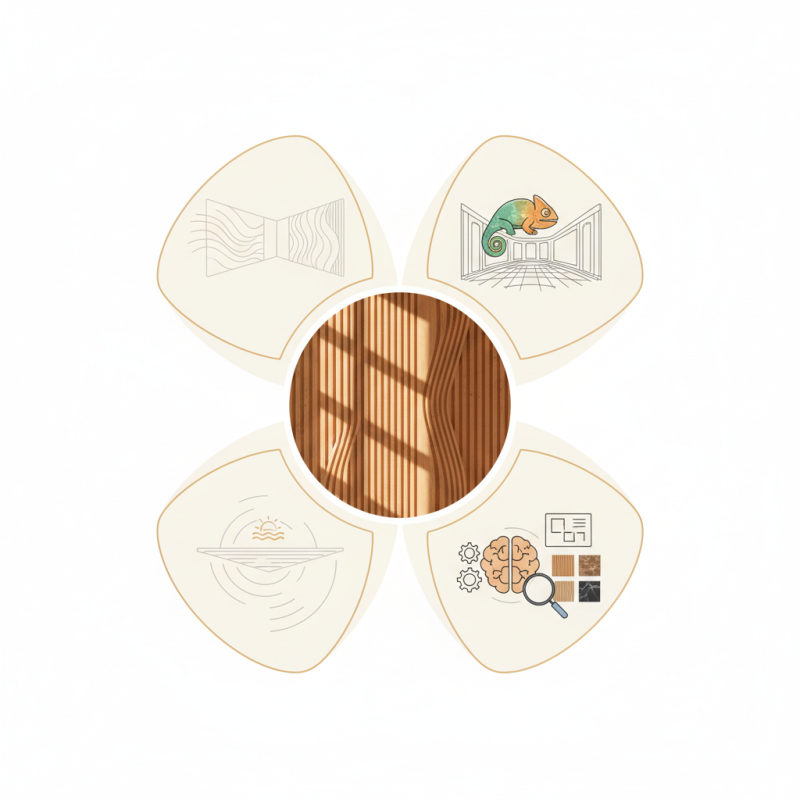
Fluted Wall Panels are more than just a design choice; they create a unique atmosphere in any space. According to interior design expert Sarah Peterson, “Fluted Wall Panels have the power to transform ordinary rooms into extraordinary experiences.” These panels add texture and depth, capturing light and shadow beautifully.
Choosing Fluted Wall Panels shows a commitment to quality and aesthetics. They offer versatility, fitting seamlessly in both modern and traditional environments. The way they bend light creates dynamic visual effects, making spaces feel larger and more inviting. But it’s essential to consider installation and materials. Not every type of panel works for every application.
Incorporating Fluted Wall Panels can seem daunting. There are various styles, colors, and materials to choose from. Each decision can steepen the learning curve. It’s wise to consult with professionals. Experience and expertise are crucial in selecting the right type for your needs. Fluted Wall Panels might appear simple, but their impact is profound, worthy of thoughtful consideration.
Benefits of Fluted Wall Panels in Modern Interior Design
Fluted wall panels have gained traction in modern interior design due to their unique aesthetic and functional benefits. These panels add depth and texture to spaces, creating a visually appealing environment. According to a report by the American Institute of Architects, over 60% of design professionals are incorporating textured surfaces like fluted panels in residential and commercial projects. Their ability to catch light and create shadows enhances a room's visual dynamics.
In terms of practicality, fluted wall panels contribute to better acoustic control. Research indicates that spaces designed with textured surfaces can absorb sound more effectively, reducing noise levels by up to 30%. This aspect is particularly valuable in busy urban environments or open office layouts. However, achieving a balanced sound profile in a room with fluted panels requires careful planning, as excessive texture might lead to uneven sound distribution.
Furthermore, fluted wall panels can support sustainability initiatives. Many manufacturers now use eco-friendly materials and processes, appealing to environmentally conscious consumers. Balancing aesthetics with sustainability can be challenging, as some materials may not provide the desired look or durability. Therefore, exploring various options while prioritizing both design and environmental impact is essential.
Cost-Effectiveness and Durability of Fluted Wall Panels
Fluted wall panels are gaining attention in modern design. Their cost-effectiveness is one of the remarkable benefits. Compared to traditional wall finishes, fluted panels offer a refined aesthetic without breaking the bank. Installation costs are often lower, as they can be applied directly over existing walls. This saves both time and labor expenses.
Durability is another key factor. Fluted panels are typically made from high-quality materials that withstand wear and tear. They resist moisture and are easy to clean, making them suitable for various environments. In commercial spaces, they hold up against heavy foot traffic. For residential areas, they provide lasting beauty without the need for frequent replacements.
Some might hesitate due to their style, questioning whether fluted designs fit all spaces. It’s essential to consider the overall interior design. While fluted panels suit many themes, they may clash with overly minimalist spaces. Reflecting on these aspects can help in making an informed choice. Balancing aesthetics with practicality is crucial.
Acoustic Properties: Enhancing Sound Quality with Fluted Design
Fluted wall panels are gaining attention for their acoustic properties. Their unique design allows for improved sound absorption. According to a study by the National Institute of Standards and Technology (NIST), textured surfaces can reduce reverberation time by up to 30%. This makes spaces more comfortable and suitable for conversations.
These panels help to control noise in large rooms. In settings like offices or auditoriums, sound clarity is crucial. Fluted designs enhance sound quality by diffusing sound waves. This effect can transform a chaotic space into one that feels calm. Research indicates that well-managed acoustics lead to increased productivity by as much as 12%.
Certain challenges arise from implementing fluted wall panels. The installation process may require specialized knowledge and tools. Not all environments suit such designs, which can raise aesthetic concerns. Involving professionals during planning can mitigate issues. Ultimately, fluted wall panels present an appealing solution for enhancing sound quality in diverse spaces.
Sustainability Factors: Eco-Friendly Materials in Wall Panels
Fluted wall panels can transform any room while keeping sustainability in mind. These panels are often made from eco-friendly materials, reducing environmental impact. Materials like reclaimed wood or recycled plastics are common choices. These options help minimize waste and maximize durability.
Choosing materials that are both stylish and sustainable is essential. Look for panels that come from certified sources. This ensures that the materials are responsibly sourced. Moreover, consider the lifespan of the panels. Long-lasting products reduce the need for frequent replacements, serving both design and environmental goals.
Here’s a quick tip: always check for a manufacturer's eco-certifications. Also, consider the energy efficiency of the panels during installation. You want to ensure that they not only look good but also contribute to reducing energy consumption in your space. Remember, every small choice counts toward a more sustainable future.
Trends in Fluted Wall Panels: Aesthetic Appeal in Various Spaces
Fluted wall panels are gaining traction in various interior design spaces. Their pattern creates depth and texture, enhancing visual appeal. According to a recent study by the Interior Design Association, 65% of designers noted increased interest in fluted surfaces. This trend reflects a broader movement toward tactile materials in residential and commercial designs.
In restaurants and hotels, fluted wall panels add sophistication. Textured finishes can elevate dining experiences, making spaces feel more inviting. Data from the National Restaurant Association shows that ambiance influences 70% of customers' dining choices. This indicates that well-designed environments are crucial for customer retention.
Fluted panels are versatile, fitting into modern, transitional, and even industrial aesthetics. However, there might be challenges in maintenance; dust can settle in grooves. Designers also caution about color choices. Darker finishes may absorb light, reducing brightness. Balancing these factors with aesthetic goals is essential for effective design.