Choosing the right water pressure booster pump can significantly enhance your home’s water flow. As plumbing expert John Smith aptly states, "A well-chosen booster pump is key to efficient water pressure." This insight underscores the importance of understanding your specific needs when selecting a pump.
When faced with varying water pressure issues, the right water pressure booster pump not only resolves these problems but also increases efficiency. With numerous options available, it can be overwhelming. Some pumps are designed for specific tasks, while others are more versatile. Consider the power consumption, flow rate, and installation requirements before making a choice.
It's easy to overlook the importance of quality and reliability. Some cheaper models may fail when you need them most. Ensure your decision is backed by thorough research and expert advice. Investing time in understanding these details will lead to better satisfaction and performance from your water pressure booster pump.
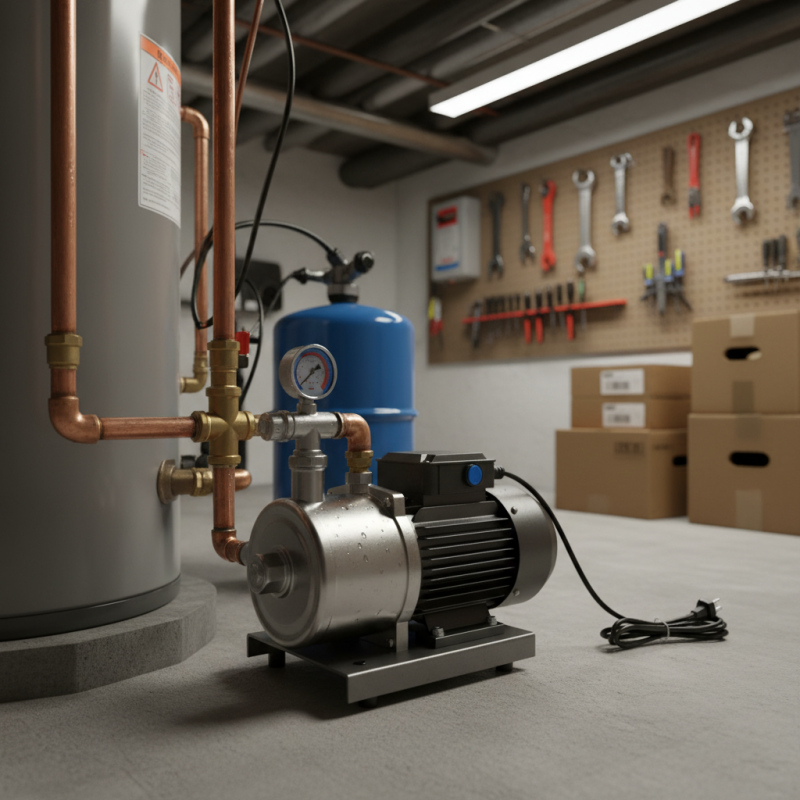
Water pressure booster pumps play a critical role in ensuring that water systems function effectively in residential and commercial settings. According to a report from the American Society of Plumbing Engineers, approximately 85% of homes experience insufficient water pressure, which can hinder daily activities. Low water pressure often leads to weak showers, ineffective irrigation systems, and even issues with dishwashers and washing machines. Understanding the importance of these pumps is essential for homeowners and property managers alike.
When selecting a water pressure booster pump, it’s important to consider your specific needs. For instance, the pump’s efficiency can directly relate to the size of your home and the number of fixtures in use. A study by the Water Research Foundation indicates that upgrading to a high-efficiency booster pump can improve flow rates by up to 50%. However, many overlook the necessity of regular maintenance. Neglecting routine checks can lead to costly repairs or even complete pump failure, leaving residents without essential water services during peak usage times.
Investing in a water pressure booster pump is not solely about immediate performance. Long-term water pressure stability can prevent future plumbing problems, ultimately saving homeowners money. As revealed in industry surveys, over 60% of users reported higher satisfaction after installation. This statistic underscores the importance of making informed choices when selecting equipment. The long-term benefits can outweigh initial costs, but this aspect is often overshadowed by short-term concerns. Understanding these elements helps users make more effective decisions in their water supply systems.
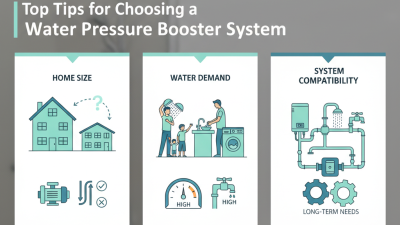
When considering a water pressure booster pump, it's vital to identify your specific needs. Start by measuring your current water pressure with a gauge. Typical household pressure ranges from 40 to 60 psi. If you frequently experience weak water flow, a booster pump might be necessary.
Assess your daily water usage. How many appliances require water at the same time? Toilets, showers, and washing machines can strain your system. A pump can help manage high demand. Understand the flow rate in gallons per minute (GPM) that your household requires. This ensures you select a pump that meets your demands effectively.
Consider the installation location. Will the pump sit indoors or outdoors? Space availability affects your choices. Also, think about the noise level the pump generates. Some models operate quietly, while others can be noisy. Reflect on balancing efficiency and comfort. Finally, evaluate the warranty and customer service of the manufacturer. Strong support can save you headaches later on.
| Tip Number | Tip | Description | Considerations |
|---|---|---|---|
| 1 | Assess Your Water Pressure | Measure your current water pressure to determine if a booster pump is necessary. | Use a pressure gauge for accurate readings. |
| 2 | Identify Your Needs | Consider what appliances or fixtures require higher pressure. | List all relevant water usage points in your home. |
| 3 | Choose the Right Size Pump | Choose a pump that matches the flow rate requirements of your household. | Check specifications for GPM (gallons per minute) ratings. |
| 4 | Check Power Source | Ensure you have a suitable power supply for the pump you choose. | Consult an electrician if necessary. |
| 5 | Review Installation Options | Decide if you will install the pump yourself or hire a professional. | Consider the complexity of installation based on pump type. |
| 6 | Consider Noise Level | Check the decibel rating of the pump, especially for indoor use. | Look for models designed to operate quietly. |
| 7 | Evaluate Warranty & Support | Look for products with strong warranties and customer support. | Review manufacturer policies before purchase. |
| 8 | Research Energy Efficiency | Choose energy-efficient models to save on electricity bills. | Look for ENERGY STAR certifications. |
| 9 | Read Customer Reviews | Check online reviews to learn about other users' experiences. | Look for patterns in feedback regarding performance and durability. |
| 10 | Budget Accordingly | Ensure your budget accommodates the cost of the pump and installation. | Factor in long-term maintenance costs as well. |
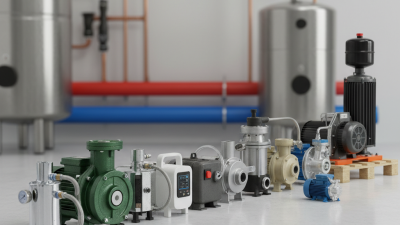
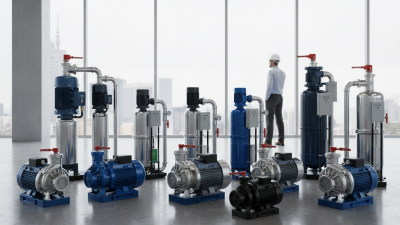
When evaluating different types of water pressure booster pumps, consider the specific needs of your home or business. Centrifugal pumps are popular for their efficiency. They can handle high flow rates, making them ideal for homes with multiple fixtures. However, they may struggle with extremely low-pressure situations.
Positive displacement pumps, on the other hand, are reliable for boosting low water pressure. They work by trapping water and forcing it through the system. These pumps are excellent for applications with variable demand. Their simplicity can sometimes lead to maintenance challenges, which are worth noting.
Another category is multi-stage pumps. These units enhance pressure at various levels. They are effective for larger homes or commercial spaces. While they offer adaptability, they can be more complex to install. Understanding these variations helps avoid common mistakes. It’s essential to assess your specific situation before making a choice. Proper evaluation can make all the difference in performance.
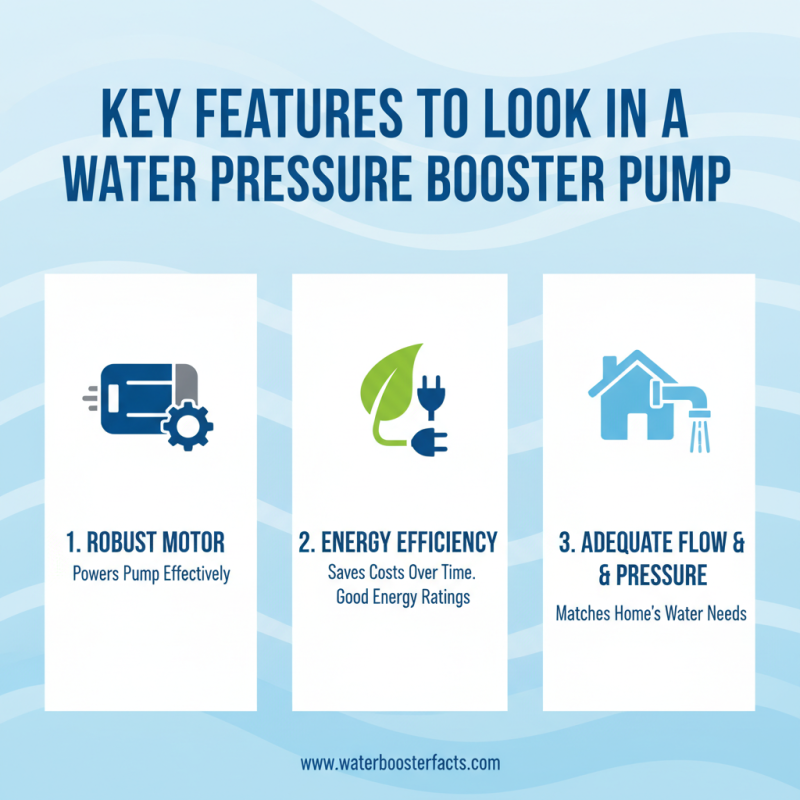
When selecting a water pressure booster pump, focus on key features that ensure efficiency and reliability. A robust motor is essential; it powers the pump effectively. Look for one with good energy ratings. Efficiency saves costs over time. Additionally, ensure the pump can handle your home’s water needs.
Noise levels matter too. Some pumps operate quietly, making them ideal for residential settings. Others may cause disruptions. Size also impacts performance; a compact model may fit better in tight spaces but check its capacity.
Consider installation ease. Some pumps require professional help, while others suit DIY setups. A straightforward design is often more user-friendly. Lastly, durability is crucial. Look for materials that withstand wear and tear, like stainless steel or reinforced plastics. Investing in quality now will prevent future headaches.
When selecting a water pressure booster pump, installation and maintenance are paramount. Many homeowners overlook the installation process, which can lead to inefficiencies. According to the American Society of Plumbing Engineers (ASPE), improper installation can reduce pump performance by up to 30%. It's crucial to ensure that the pump is installed on a solid surface. This prevents vibration and noise issues. Adequate clearance around the unit allows for better airflow and easier maintenance access.
Regular maintenance also plays a vital role in the pump's longevity. Many experts recommend scheduling yearly inspections. During these inspections, check for signs of wear, leaks, and corrosion. The National Renewable Energy Laboratory suggests that proactive servicing can extend the life of pumps by 50%. Filtration systems should be clean, as clogged filters can decrease efficiency and pressure. Many homeowners forget to replace worn seals and gaskets, which can lead to bigger issues down the line.
Installing a pressure gauge can provide real-time feedback. Monitoring pressure levels helps identify potential problems early. Though it requires a bit of effort, regular monitoring is essential for long-term efficiency. Many users underestimate the importance of this step. A slight drop in pressure can indicate an underlying issue, prompting immediate action before catastrophic failure occurs. Remember, a well-maintained pump operates more effectively and saves energy, benefiting both your wallet and the environment.
sale@harbertpump.com,
sale@harbertpump.com