10 Essential Tips for Choosing the Right Water Booster Pump for Your Home?
Selecting the right water booster pump for your home can significantly enhance your water pressure. According to a recent industry report by the Water Quality Association, approximately 30% of homes in urban areas suffer from low water pressure. A suitable water booster pump can remedy this issue, ensuring adequate flow for daily needs.
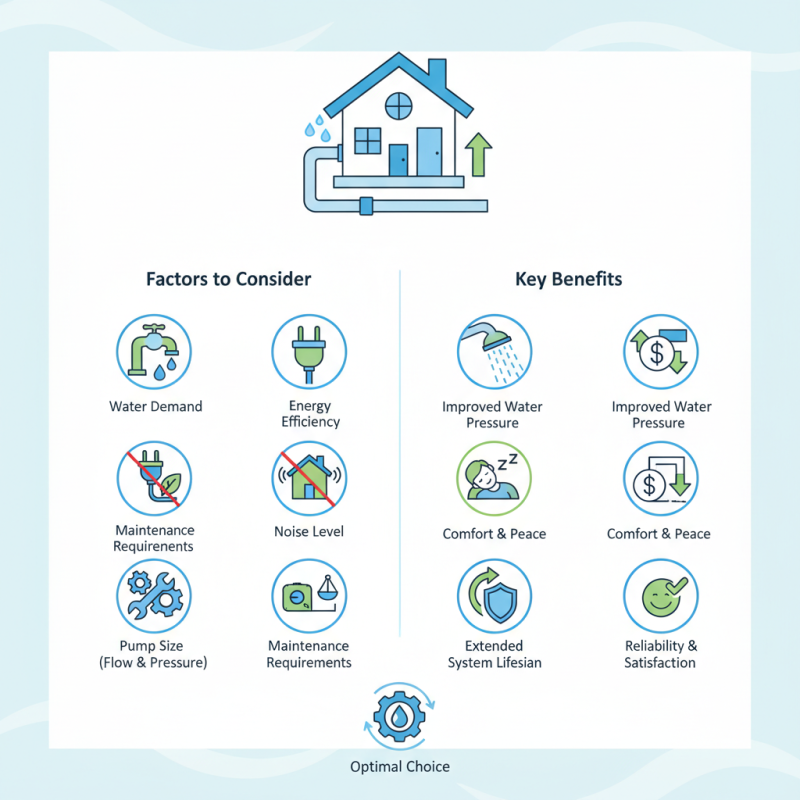
When choosing a water booster pump, consider several key factors, including your home's water demands and the pump's efficiency. A poorly selected pump can lead to unnecessary energy waste. For instance, an underpowered pump may struggle to meet your needs, while an oversized pump can increase utility costs and shorten lifespan. Striking the right balance is essential.
Additionally, the noise level and maintenance requirements are crucial aspects to reflect on. Some pumps operate quietly, while others can be disruptive. Regular maintenance is needed for longevity. Finding the perfect water booster pump requires thoughtful consideration and a bit of trial and error. Each home has unique demands, and not all solutions fit every scenario. Aim for clarity in choices to ensure satisfaction and reliability.
Understanding the Functionality of Water Booster Pumps in Home Use
Water booster pumps are essential for many homes. They improve water pressure, ensuring a consistent flow. This is particularly useful in multi-story houses. Low water pressure can cause frustration. A booster pump addresses these issues effectively, providing relief.
When choosing a water booster pump, understanding its functionality is key. These devices work by increasing the pressure in your plumbing system. They draw water from the main supply and push it through your pipes. Selection depends on a few factors. Consider the pump's capacity. Is it suitable for your household's needs?
Another important aspect is noise level. Some pumps can be quite loud, disrupting your daily life. You might want a quieter option if you value peace. Additionally, installation can be complex. Not everyone is comfortable with plumbing tasks. Think about hiring a professional for a proper setup. A small initial mistake can lead to bigger issues later. Take your time when evaluating options.
Evaluating Your Home's Water Pressure Needs Before Buying
Evaluating your home's water pressure needs is crucial before buying a water booster pump. Many homes have varying water pressure levels. According to the Water Quality Association, nearly 50% of households experience lower than optimal water pressure, often below 40 PSI (pounds per square inch). Understanding your specific requirements can help tailor your choice of pump.
Check your current water pressure using a simple gauge. This step is vital. If your pressure is below 40 PSI, investing in a booster pump could improve showering and flushing. Many homeowners notice that low pressure affects multiple faucets at once. A pump can mitigate this issue. However, purchasing without proper evaluation could lead to oversizing or undersizing, causing inefficiencies.
Consider the daily water usage. Assess how many outlets run simultaneously. A standard showerhead needs about 2.5 GPM (gallons per minute) to function well. If you often use multiple fixtures, you might require a more powerful solution. Keep in mind, larger pumps can be noisier. This balance between power and comfort needs careful thought. It's essential not to rush the decision.
Key Features to Look for in a Water Booster Pump
When choosing a water booster pump, consider key features that will enhance your home’s water efficiency. Look for the pump's maximum pressure rating. This indicates how well it can increase water pressure. Ensure it fits your home’s plumbing system. Compatibility with existing pipes is crucial. A pump that is too large may cause issues.
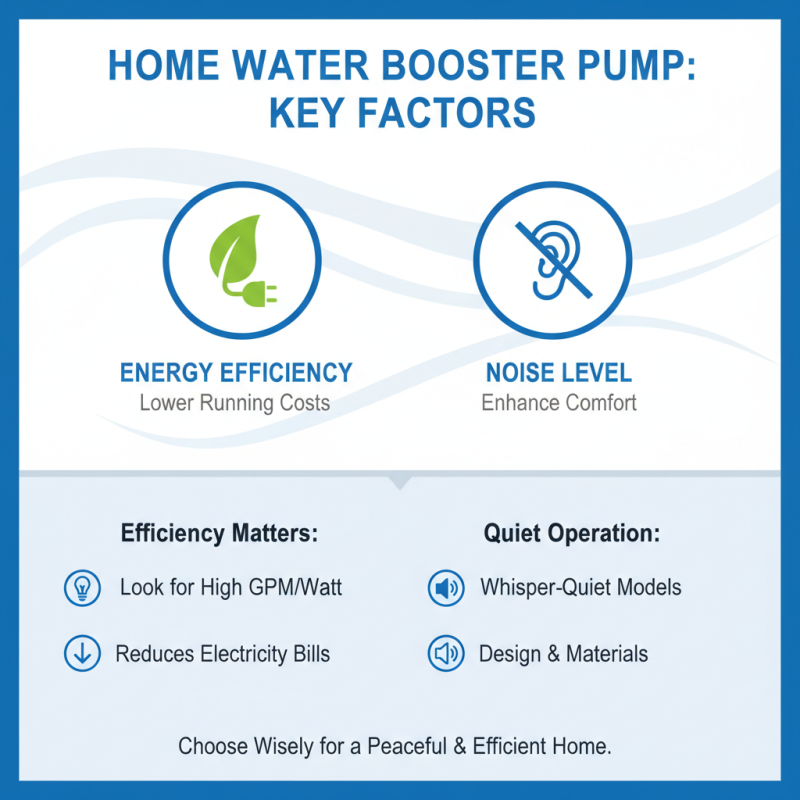
Consider the noise level of the pump. Some models can be quite loud, disrupting your daily life. An ideal pump operates quietly, even during peak usage times. Additionally, check the energy efficiency rating. An efficient pump not only saves money but also reduces your environmental impact.
Evaluate the pump's durability and warranty. A long-lasting unit is worth the investment. Look for materials that resist corrosion. Sometimes, cheaper options do not hold up; they fail sooner than expected. A strong warranty offers peace of mind about the purchase. These details require careful thought and comparison.
Comparing Different Brands and Models for Optimal Performance
When it comes to selecting a water booster pump, comparing different brands and models is vital. Not all pumps are created equal; they vary greatly in efficiency and performance. Some brands focus on higher pressure while others prioritize quiet operation. Look for models that suit your specific needs in terms of flow rate and pressure.
Additionally, consider the material and design of the pump. Some models use plastic components, while others are made of metal. The durability of materials affects longevity. You want a pump that withstands daily use without frequent repairs. Check customer reviews to get insights into real-world performance and reliability.
Installation complexity is another aspect to reflect on. Some models require professional setup, which can increase your initial costs. Others may have user-friendly designs that allow for DIY installation. Assess your skill level before making a decision. Sometimes, too many features can complicate usability, making a simpler model more appealing.