Selecting the right domestic water pump can be a daunting task. With numerous options available, making an informed decision is essential. Industry expert John Smith, a renowned engineer in the water pump sector, states, "Choosing the right domestic water pump can save you time, money, and hassle in the long run."
When considering a domestic water pump, there are key factors to reflect on. Think about the pump's flow rate, pressure, and energy efficiency. These elements directly impact your daily water usage. Often, consumers overlook maintenance requirements. A pump that requires frequent upkeep may not be worth the initial investment.
Moreover, the price should align with your budget while meeting your needs. Look for pumps with a balance of quality and affordability. It’s common for people to choose the cheapest option, but this can lead to disappointment. Remember that selecting a reliable domestic water pump is about more than just the upfront cost. Take your time to evaluate your options thoroughly.
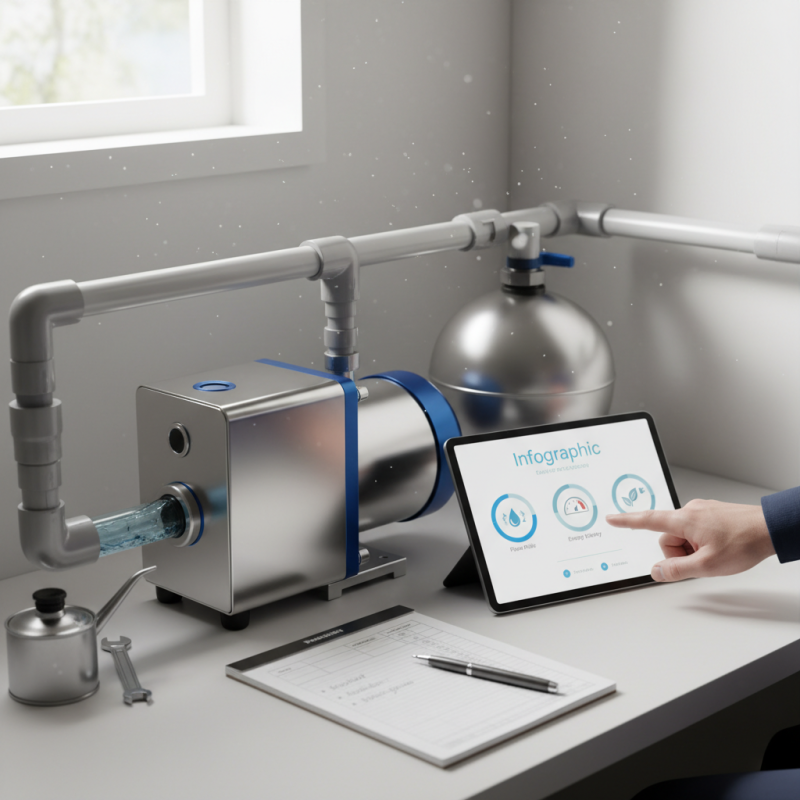
When choosing a domestic water pump, several factors demand careful consideration. The pump's capacity is crucial. You must determine your water needs. For instance, a small household may only require a pump with moderate flow rates. Larger families or homes may need a more powerful option.
Another essential aspect is the pump's type. There are various types, including centrifugal and submersible pumps. Each type serves different purposes and environments. Additionally, check the energy efficiency of the pump. An efficient model can reduce electricity costs significantly. Many overlook this detail, leading to higher monthly bills.
Lastly, consider maintenance and noise levels. Some pumps are quieter than others. A noisy pump can disrupt your daily activities. Frequent maintenance can be a hassle. Ensure the pump you select is easy to maintain. Think about durability too. A robust pump will last longer, but not all options are equally resilient. Balancing these factors can be challenging, as personal needs differ greatly.
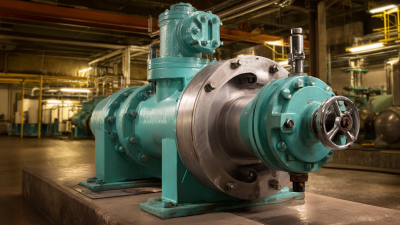
When choosing a domestic water pump, it's crucial to understand the types available. Centrifugal pumps are common for household use. They work well for supply and irrigation needs. For low-pressure situations, submersible pumps might be the answer. They are installed underwater and can effectively transport water.
Consider flow rate and pressure when selecting. A higher flow rate leads to faster water delivery. However, ensure it fits your home’s water system. Sometimes, bigger isn't always better. You may need multiple smaller pumps instead of one large unit.
Tips: Check the pump's energy efficiency. A more efficient pump saves on bills over time. Look for guidelines on installation. Improper setup can lead to performance issues. Finally, read reviews to learn from others' experiences. Each pump has its strengths and weaknesses. Therefore, take the time to match the pump to your specific needs.
This chart illustrates the frequency of usage for different types of domestic water pumps, showcasing which pumps are most popular for household applications.
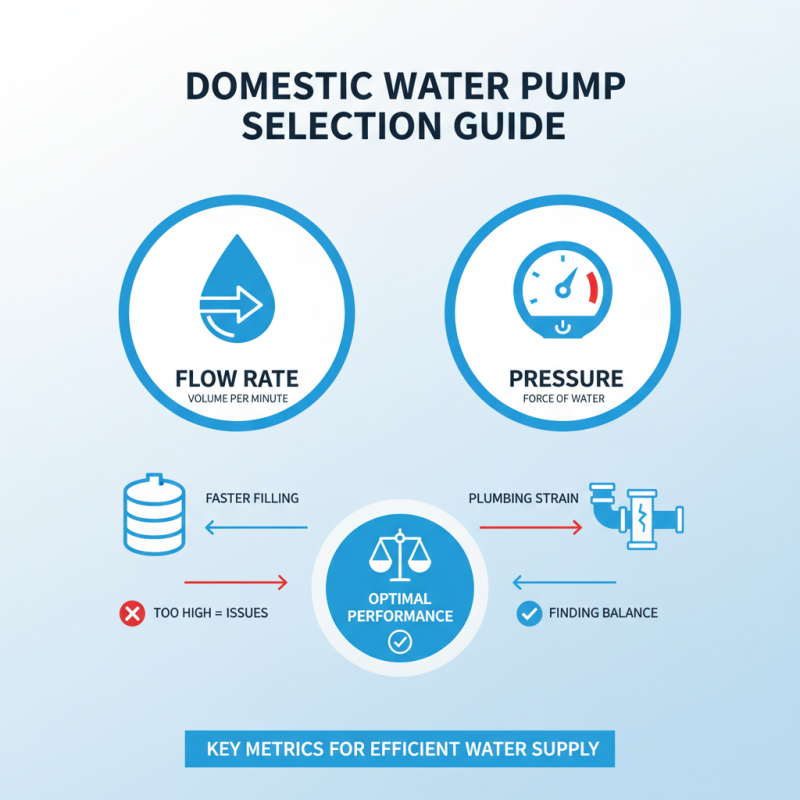
When selecting a domestic water pump, two key metrics stand out: flow rate and pressure. The flow rate measures how much water a pump can move per minute. A higher flow rate means faster filling of tanks or fixtures. However, too high a flow rate can lead to issues. Excessive pressure may strain your plumbing system. It’s crucial to find the right balance.
Pressure is equally important. It denotes the force that pushes water through the pipes. If the pressure is too low, you might face inconsistent water supply. On the other hand, excessively high pressure can damage appliances. Testing your home’s specific needs can guide you in making an informed choice. Regularly assessing these metrics can also reveal if your pump is underperforming.
Many people overlook the interaction between flow rate and pressure. They may choose a pump with high flow, ignoring pressure feedback. This mismatch can lead to frequent repairs. Taking time to analyze both aspects ensures a more efficient setup. Strive for a pump that meets your unique water demands. Regular checks can improve longevity and performance. Don’t hesitate to adjust your selection if necessary; it's part of maintaining a functional home.
When selecting a domestic water pump, energy efficiency ratings play a crucial role. These ratings indicate how effectively a pump uses power. An energy-efficient pump can significantly lower utility bills. It’s essential to look for ratings that meet and exceed industry standards. Many homeowners overlook this detail, leading to high costs over time.
Consider the size of the pump and its intended use. A pump used for irrigation may require different efficiency standards than one used for household plumbing. Review the specifications carefully to ensure they align with your needs. Some models might seem appealing but have poor energy ratings. This can be a costly mistake.
Installing an energy-efficient pump is beneficial. However, many users fail to maintain their pumps properly. Neglecting routine checks can diminish efficiency. Regular maintenance is necessary for optimal performance. Don’t ignore signs of wear or unusual noises. A small issue can quickly escalate, leading to larger expenses. Balancing efficiency with maintenance needs is vital for long-term satisfaction.
| Pump Type | Max Flow Rate (L/min) | Power Consumption (W) | Energy Efficiency Rating | Ideal Applications |
|---|---|---|---|---|
| Centrifugal Pump | 80 | 1500 | A | Irrigation, Water Supply |
| Submersible Pump | 50 | 1000 | B | De-watering, Domestic Water Supply |
| Jet Pump | 70 | 1200 | C | Shallow Well Pumping |
| Positive Displacement Pump | 40 | 800 | A+ | Low Flow Applications, Chemical Transfer |
| Multistage Pump | 60 | 2000 | A | High Pressure Applications |
When it comes to domestic water pumps, maintenance is critical for ensuring optimal performance. A well-maintained pump can last significantly longer. According to industry reports, proper maintenance can extend the lifespan of a water pump by up to 50%. Regular checks and timely servicing are essential. Simple actions like cleaning the filter and checking for leaks can make a big difference.
Ignoring minor issues can lead to major problems. A small leak can escalate into a pump failure if not addressed. Pumps that are not serviced regularly can operate inefficiently, increasing energy costs. Research indicates that poorly maintained pumps may consume up to 30% more energy than their well-maintained counterparts.
Monitoring the noise levels and vibrations of the pump is vital. Unusual sounds might signal an underlying issue that needs attention. Sometimes, it’s easy to overlook the signs. A visual inspection can help spot wear and tear. Regular documentation of maintenance actions can also aid in identifying patterns over time. Neglecting these aspects may not only reduce performance but also lead to unexpected failures. A proactive approach is essential for any water pump system's health and efficiency.
sale@harbertpump.com,
sale@harbertpump.com